
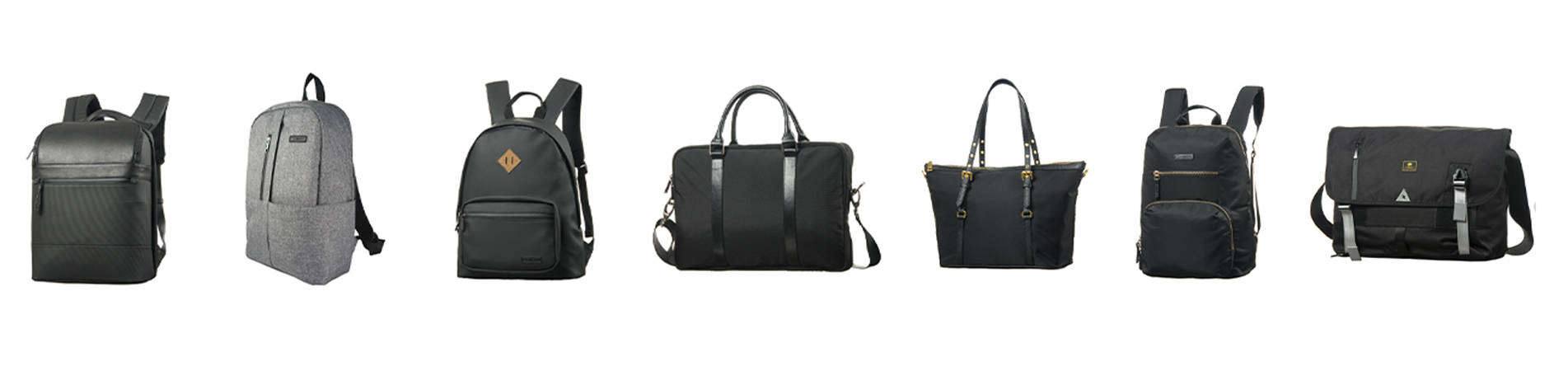
As environmental awareness continues to grow, both consumers and businesses are paying increasing attention to sustainable materials. Among the many eco-friendly textiles available today, organic cotton has become a preferred choice for more and more brands due to its environmental benefits, health advantages, and sustainability.
So, what exactly is organic cotton? How does it fundamentally differ from conventional cotton? And when applied to bag manufacturing, what kinds of innovations and value enhancements can it bring to production processes and finished products?
This article will provide a comprehensive analysis of organic cotton in the bag manufacturing industry — from cultivation practices and environmental certifications to production techniques and practical applications in bags. It aims to help brands gain a clearer understanding of the true value and future potential of organic cotton bags.
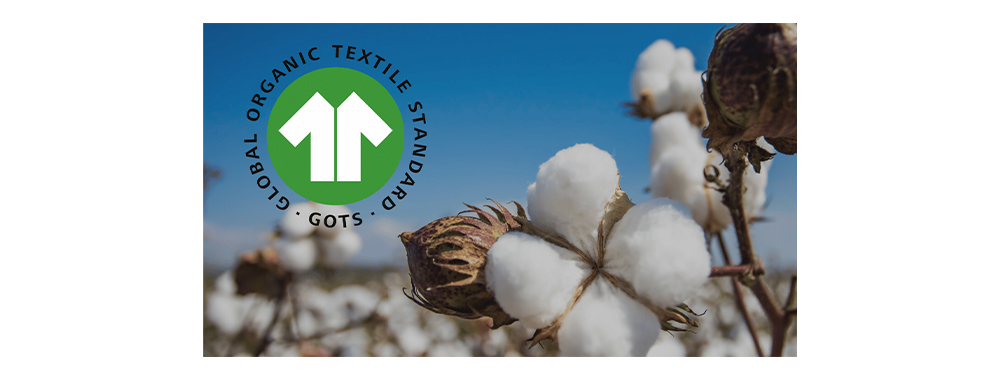 Sustainable organic cotton cultivation field for eco-friendly bag manufacturing, showcasing natural agriculture practices
Organic cotton refers to cotton that is cultivated and harvested through agricultural practices that completely avoid the use of synthetic pesticides, chemical fertilizers, growth regulators, and genetically modified technologies. Instead, it follows natural laws and ecological principles, relying on methods such as crop rotation, physical pest control, and biological pest management.
According to the definition established by the International Federation of Organic Agriculture Movements, the cultivation of organic cotton must comply with three core principles:
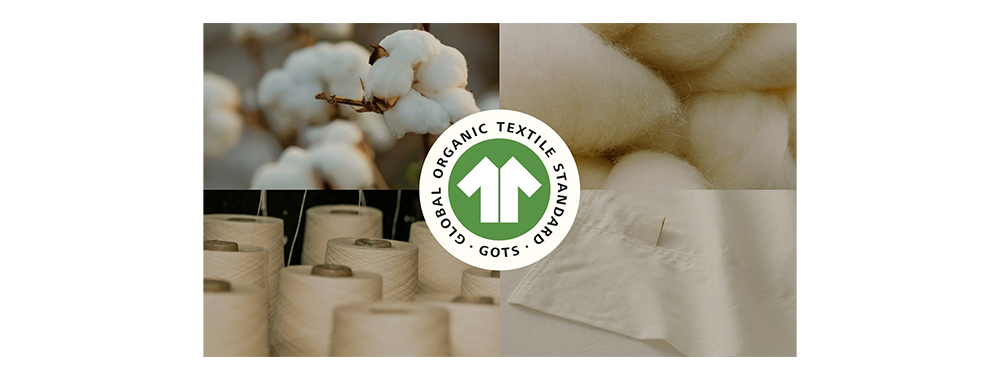
Not all cotton labeled as “natural” can be considered organic cotton. Internationally recognized certification standards include:
GOTS certification covering the entire production chain
Many consumers assume that organic cotton is simply “cotton grown without pesticides,” but this understanding is overly simplistic. In reality, the differences between organic cotton and conventional cotton extend throughout the entire product lifecycle.
|
Aspect |
Conventional Cotton |
Organic Cotton |
|
Pesticide Use |
Cotton cultivation accounts for approximately 16% of global pesticide consumption, with heavy use of insecticides and herbicides. |
Completely prohibits synthetic pesticides, relying instead on physical pest traps, pheromone attractants, and natural predators for pest control. |
|
Fertilizer Dependency |
Relies heavily on chemical nitrogen and phosphate fertilizers, which can lead to soil acidification. |
Uses compost, green manure, and legume crop rotation to improve soil organic matter and fertility. |
|
Water Resources |
Conventional cotton requires large amounts of water, while chemical runoff often contributes to water eutrophication and pollution. |
Combines water-saving irrigation systems with rainwater harvesting, resulting in minimal water pollution. |
|
Genetic Modification |
Approximately 70% of global cotton production comes from genetically modified insect-resistant cotton varieties. |
The use of genetically modified seeds is strictly prohibited. |
|
Cultivation Cost |
Lower initial investment, but long-term farming may result in soil degradation. |
Higher initial investment, but supports long-term sustainable soil cultivation. |
2.2.1 Fiber Length
2.2.2 Fiber Strength
2.2.3 Fiber Fineness
2.2.4 Impurity Content
2.2.5 Texture and Processability
For bag manufacturing, these characteristics mean that organic cotton fabrics provide better abrasion resistance, a more natural appearance, and a softer, skin-friendly touch.
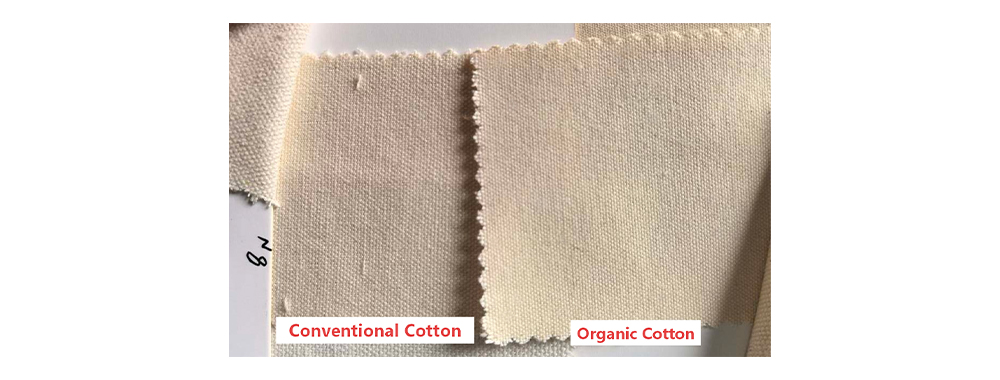 Comparison between 8oz regular cotton canvas and organic cotton canvas
According to data from the World Wide Fund for Nature, producing a single conventional cotton T-shirt requires approximately 2,700 liters of water — roughly equivalent to one person’s drinking water consumption for 2.5 years. While this figure may seem astonishing, most of the water consumption actually occurs during the cultivation stage.
The total water usage throughout cotton’s lifecycle — from farming to finished garment production — is scientifically referred to as the water footprint. It mainly comes from the following two stages:
|
Stage |
Share of Water Consumption |
Details |
|
Cotton Cultivation |
The vast majority |
Water used for irrigating cotton fields, including surface water, groundwater, and natural rainfall. Producing 1 kilogram of cotton typically requires around 20,000 liters of water. |
|
Industrial Processing |
A smaller portion |
Includes spinning, weaving, dyeing, and washing processes, generally consuming around 50 liters of water. |
Compared with conventional cotton, organic cotton can reduce “blue water” consumption (surface water and groundwater) by approximately 90% during cultivation. This is because organic farming relies more heavily on “green water” (natural rainfall) and healthier soil systems with stronger water retention capacity, rather than intensive groundwater irrigation.
The table below compares water consumption between conventional cotton and organic cotton during the production process, specifically from cotton cultivation to the ginning stage (fiber production stage):
|
Comparison Aspect |
Conventional Cotton |
Organic Cotton |
|
Total Water Consumption |
Approximately 2,000–3,000 liters per kilogram of cotton fiber |
Approximately 1,000–2,000 liters per kilogram of cotton fiber |
|
Blue Water Consumption |
High — heavily dependent on artificial irrigation |
Low — can reduce blue water usage by about 90%; mainly relies on rain-fed agriculture and soil water-retention techniques |
|
Dependence on Water Sources |
High — may contribute to groundwater depletion and river drying |
Low — relies more on ecologically adaptive farming methods |
|
Additional Environmental Impact |
Fertilizer and pesticide runoff may pollute water systems and accelerate eutrophication |
No chemical inputs, helping protect surrounding water quality |
Transforming organic cotton from a raw material into high-quality bags requires systematic process adaptations in spinning, weaving, dyeing, and other production stages. These adjustments allow manufacturers to fully utilize the natural advantages of organic cotton while overcoming the processing challenges associated with untreated natural fibers.
Although organic cotton fibers offer excellent quality, the absence of chemical finishing agents means that stricter control over temperature, humidity, and equipment cleanliness is required during spinning.
Technologies such as compact spinning and siro spinning are commonly adopted to reduce yarn hairiness and improve yarn smoothness and strength.
Silicone-based spinning additives are avoided to ensure more uniform dye absorption during subsequent dyeing processes.
Depending on the functional requirements of the bag, manufacturers may choose plain weave, twill weave, or canvas structures. Among them, organic cotton canvas has become a preferred material for tote bags, shopping bags, and travel bags due to its high density, excellent abrasion resistance, and naturally structured appearance.
 Low-damage compact spinning and weaving process for organic cotton yarn, ensuring silicone-free finishing and uniform dye absorption
The Global Organic Textile Standard certification places strict requirements on dyeing processes and prohibits the use of:
The organic cotton bag dyeing solutions adopted by SYNBERRY Bag include:
Natural dyes extracted from plants, such as indigo (blue), madder (red), and turmeric (yellow), are applied using traditional mordant dyeing techniques. These colors tend to appear warm and rustic, and slight variations between products create a distinctive handcrafted feel. This method is well-suited for artistic-style tote bags and backpacks.
Synthetic dyes that comply with GOTS standards, offering high color fastness while being free from heavy metals and harmful amines. Although not fully natural, they are considered environmentally responsible due to their reduced impact on water, energy, and fiber quality during processing. This makes them suitable for large-scale, commercial production of eco-friendly bags.
Color masterbatches are added during the fiber spinning stage, eliminating the need for traditional dyeing and finishing processes. This significantly reduces water and energy consumption and provides excellent color durability. While organic cotton is not typically compatible with conventional solution dyeing due to its short staple structure, similar results can be achieved through blending with recycled polyester fibers.
Organic cotton is kept in its natural off-white or light beige state with only minimal physical washing. This represents one of the lowest-carbon finishing options and has become increasingly popular in minimalist bag design trends in recent years.
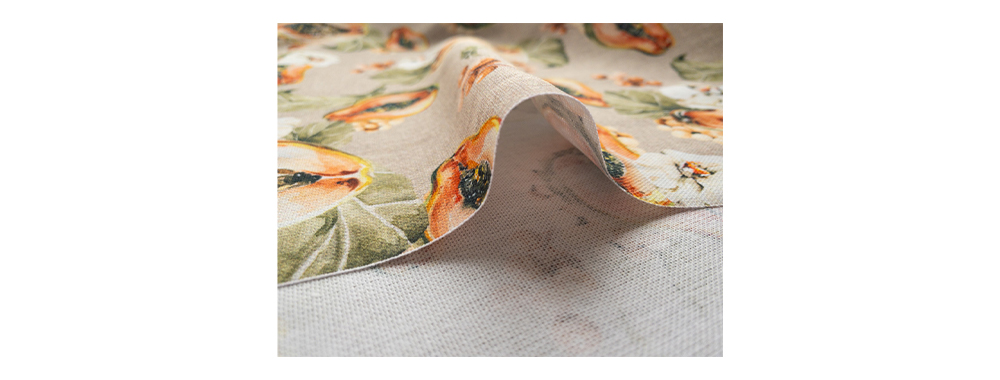 Eco-friendly dyeing and finishing process for organic cotton fabric, featuring plant-based natural dyes and low-impact reactive dyes
In bag manufacturing, organic cotton canvas typically ranges from 8 oz to 16 oz in weight. A higher ounce rating indicates a thicker fabric with greater load-bearing capacity, and different thicknesses correspond to different functional requirements of bag designs. Based on this principle, SYNBERRY Bag applies organic cotton in the following ways:
3.3.1 Main Fabric
The main fabric represents the highest usage ratio of organic cotton in a bag and directly determines the overall texture, durability, and sustainability profile of the product.
Using 100% organic cotton canvas as the primary material is suitable for tote bags, eco-friendly shopping bags, and drawstring bags. It is recommended to use either undyed natural cotton or cotton combined with plant-based dyeing methods, as these approaches best preserve the natural off-white texture and soft hand feel of organic cotton.
At the same time, this approach minimizes carbon emissions throughout the production process, aligning closely with the core principles of sustainable design and environmentally responsible manufacturing.
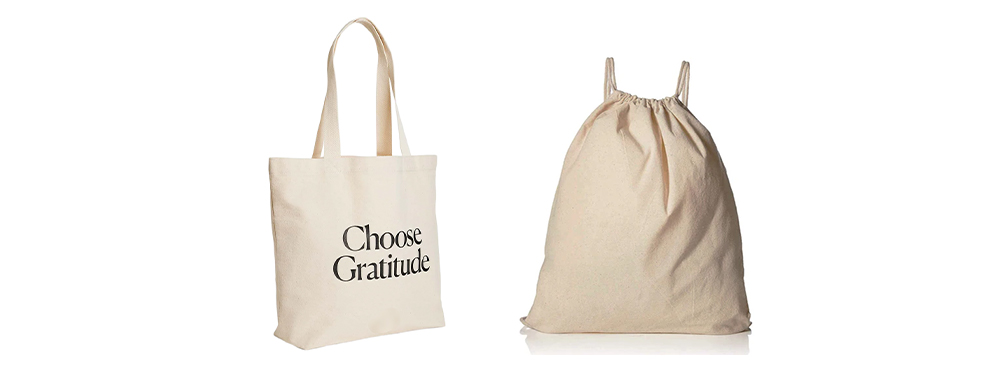
100% organic cotton canvas tote bag in natural undyed off-white color, showcasing soft hand feel and minimalist sustainable design
3.3.2 Lining: A Subtle but Critical Step
In conventional bag manufacturing, linings are often made of synthetic fibers such as polyester. However, when a bag uses organic cotton on the exterior but synthetic fabric on the interior, it still leaves a gap in its overall sustainability profile.
Replacing synthetic linings with organic cotton canvas or twill fabric helps close this gap and enables a truly “all-cotton, plastic-free” construction. For eco-focused bag brands, this upgrade adds minimal cost but delivers a significant improvement in sustainability performance and brand integrity.
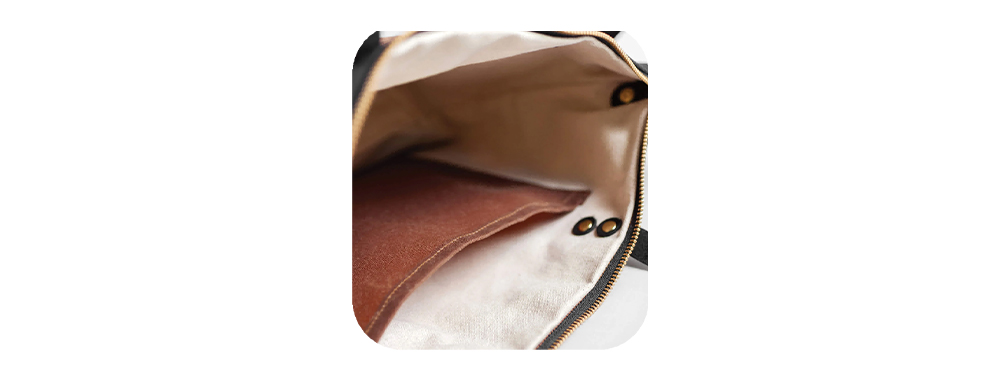 Organic cotton is used as lining fabric
3.3.3 Structural Reinforcement: Straps, Handles, and Base Panels
Organic cotton can also be woven into high-density webbing and used for structural components such as shoulder straps, handles, and bottom reinforcement panels.
Compared with nylon webbing, organic cotton webbing offers a more consistent visual and tactile identity across the entire product. Additionally, as the bag is used over time, the cotton develops a natural patina and soft aging effect. This evolving texture aligns well with contemporary consumer preferences for longevity, durability, and the aesthetic value of “material aging over time.”
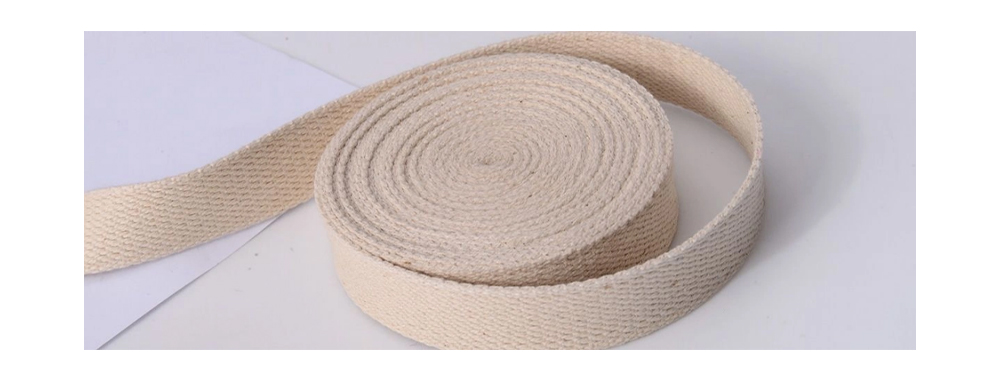 Organic cotton used as webbing
As a brand focused on sustainable bag manufacturing, SYNBERRY Bag categorizes its use of organic cotton into three product-tier applications.
This series represents the foundational product line for organic cotton application. It uses 14 oz organic cotton canvas, combined with plant-based dyes or low-impact reactive dyes, to create multifunctional tote bags suitable for daily commuting and shopping scenarios.
Key features include:
This product line emphasizes durability, simplicity, and full-material sustainability, making it a core expression of organic cotton’s value in functional everyday bags.
 100% Organic Cotton Canvas Bags
For outdoor travel and business scenarios, SYNBERRY Bag develops blended fabrics that combine organic cotton with recycled polyester and organic hemp fibers to enhance performance while maintaining sustainability.
This blend balances the breathability of cotton with the durability and abrasion resistance of polyester. It is particularly suitable for backpack body panels that require higher structural strength and long-term wear resistance.
Hemp fibers provide natural antibacterial properties and high tensile strength. This combination is ideal for summer beach bags and outdoor storage bags, where durability and natural functionality are key requirements.
The smooth, silky texture and subtle sheen of Tencel™ enhance the premium feel of the bag. This blend is often used for lightweight luxury handbags and refined handheld designs, offering a more elevated aesthetic while maintaining eco-conscious material selection.
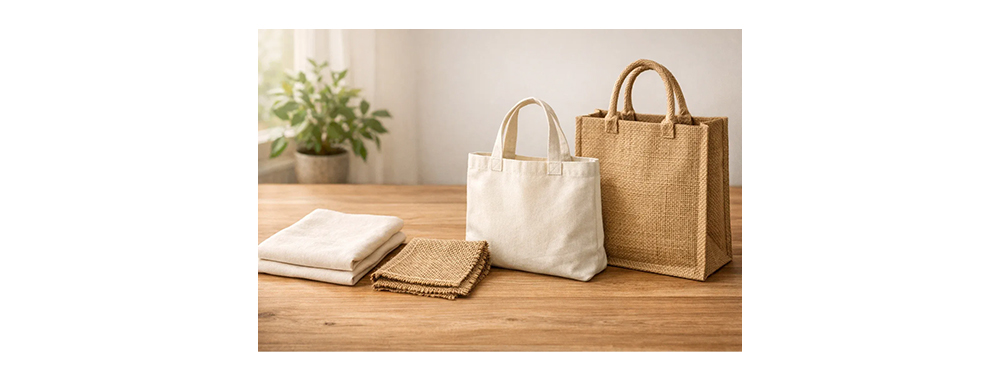 Mixing Organic Cotton and Organic Hemp
Q1. What are the common thicknesses of organic cotton canvas on the market, and what bag types are they suitable for?
A: In the textile industry, canvas thickness is usually expressed in ounces (oz). The commonly used conversion is: 1 oz/m² ≈ 28.35 GSM. For example, a piece of 10 oz canvas is typically around 283.5 GSM (depending on differences in weaving and finishing processes, in manufacturing 10oz cotton fabric can be at 280g~300g with slight positive or negative tolerances).
The most common specifications and their applications are as follows:
|
Thickness |
Approx. GSM |
Characteristics & Suitable Bag Types |
|
6–8 oz |
170–250 GSM |
Lightweight and soft, highly foldable. Suitable for promotional bags, lightweight shopping bags, cosmetic pouches, and drawstring bags. |
|
10–12 oz |
280–350 GSM |
The most widely used standard. Offers a balanced structure between firmness and load-bearing capacity. Ideal for branded tote bags and everyday backpacks. |
|
14–16 oz |
390–460 GSM |
Heavy-duty and highly durable with strong shape retention. Suitable for outdoor bags, tool bags, and long-term functional use bags. |
Q2. Can organic cotton canvas bags be made waterproof?
A: Yes. Traditional bags often use PU coatings or PVC laminations to achieve waterproofing, but these materials are not biodegradable. In practice, common waterproofing solutions for organic cotton bags include:
Q3: How is shrinkage controlled for organic cotton bags? Should extra allowance be added during pattern making?
A: It depends on whether the fabric has been pre-shrunk. 100% organic cotton canvas will shrink when exposed to hot water or high-temperature drying, which is an inherent fiber characteristic. Common ways to control shrinkage include:
Q4: How can the value of “organic cotton” be demonstrated to end consumers at the product level? Besides using a GOTS label, what other approaches are there?
SYNBERRY Bag is a company focused on the R&D and manufacturing of sustainable bags. It is committed to providing bag products that combine functionality, aesthetics, and environmental value for global markets through innovation in eco-friendly materials, energy-efficient production processes, and transparent supply chain management.
You are welcome to contact our team for inquiries regarding custom development, sample prototyping, and bulk production of organic cotton bags. We will provide you with professional end-to-end solution support.
| Author | ||||||
|
Please Read On, Stay Posted, Subscribe, And We Welcome You To Tell Us What You Think.




Copyright @2024 Synberry Bag & Package Products Co.,Ltd All Rights Reserved.
 Network Supported
Sitemap / Blog / Xml / Privacy Policy