
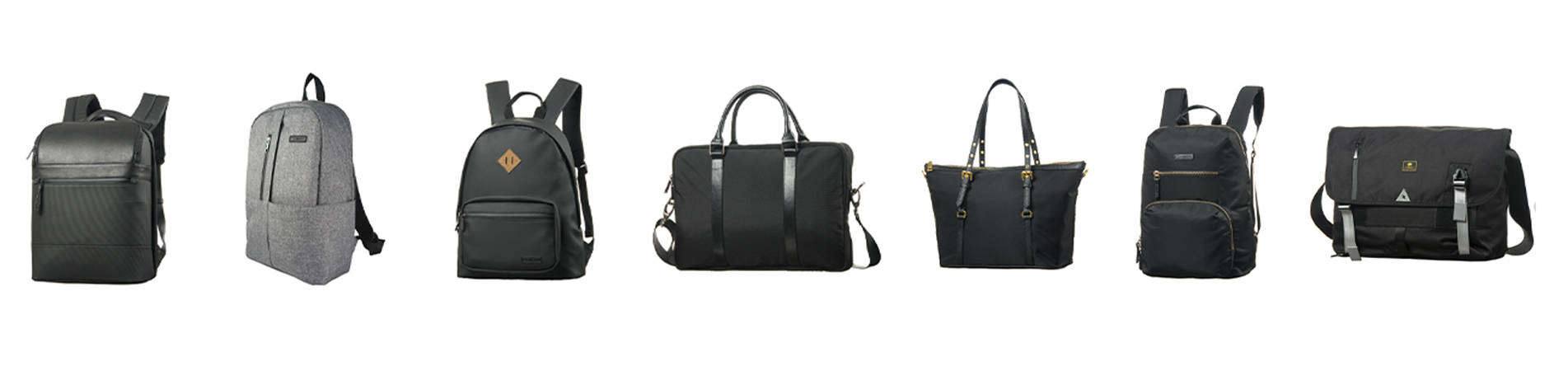
For product design in the pet supplies industry, it is essential for development teams, procurement personnel, and brand managers to have a comprehensive understanding of the various types of pet carrier bags. This knowledge forms the foundation for planning new product lines or evaluating supplier capabilities. In this guide, we will explain the history of pet carrier bags, commonly used styles, and their specific functionalities, helping you build a clear product roadmap.
Scene Segmentation:
Integration of Technology and User Experience as the New Focus
Smart Features Integration:
Enhanced User Experience:
Health and Environmental Considerations:
The evolution of pet backpacks is essentially a reflection of the deepening relationship between humans and pets — from tools to companions, from function to emotion. In the future, innovation will continue to revolve around the "symbiotic experience." Below, we will elaborate on this topic from two dimensions: design features and functional segmentation.
2.1.1 Double-Shoulder Backpack Style (Pet Backpack)
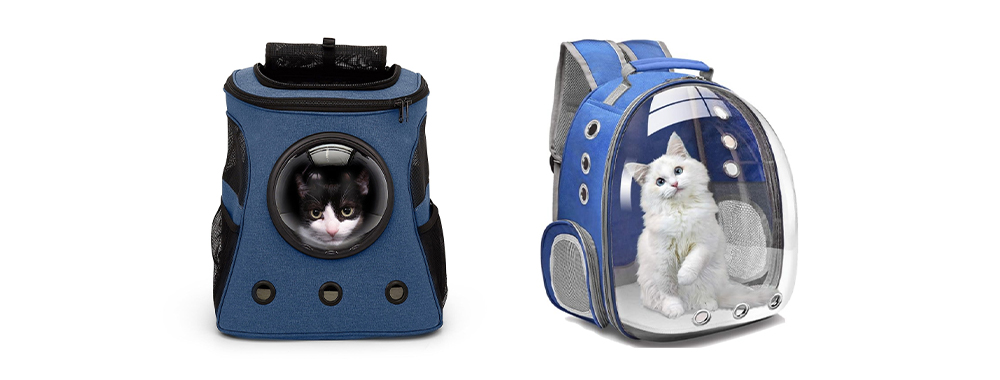
This is the most common and mainstream style, resembling a regular backpack. It is carried with double shoulder straps, which helps distribute weight evenly and frees the hands. It usually has a hard or semi-hard shell and includes an internal safety leash.
Comfortable, labor-saving, and allows flexible movement. It is suitable for carrying and moving over longer periods.
Subcategories
1)Cat Backpacks


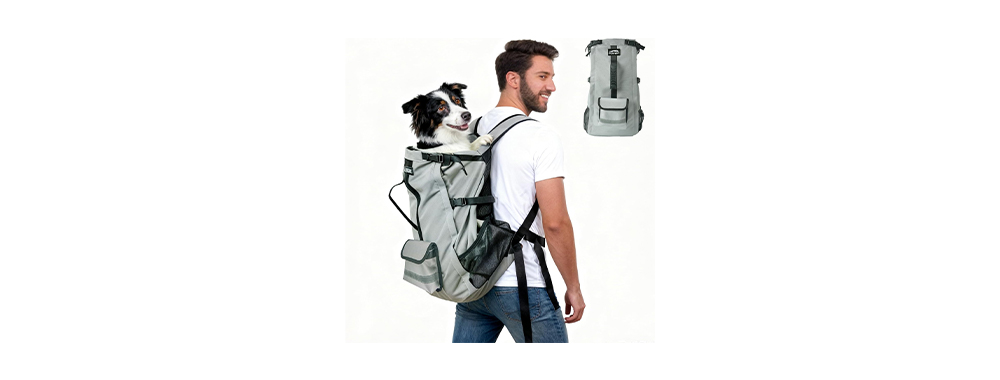
2)Backpack for dogs / Dog Rucksack

Main Differences in Design Between Cat Backpacks and Dog Backpacks
| Design dimension | Dog Backpack | Cat Backpack |
| Structure and Opening Size |
.Focus on interaction and easy entry: Often features a full top opening or large opening for active dogs to quickly enter and exit. . Encourages standing and observing: Many designs allow dogs to place their front legs on the edge of the backpack with their head fully exposed (e.g., chest packs, basket-style). |
.Focus on safety and closure: Typically has a closed design with doors on the sides or top to prevent escape. .Forced concealment: Smaller entrance, usually dark or semi-dark interior, in line with cats' instinct to hide. .More enclosed structure (e.g., airline-style, most soft-shell packs). |
| Interior Space & Posture | .Allows multiple postures: Designed so dogs can naturally sit, lie down, or stand inside the backpack. . Focuses more on joint comfort for dogs. |
.Prioritizes curled posture: Space is designed with a curled or lying posture for cats, typically discouraging standing. .Emphasizes the sense of security created by the feeling of being wrapped or confined. |
| Ventilation & Visibility | .Visibility prioritized: Large mesh windows, even transparent windows, allow dogs to observe the outside world, reducing boredom and anxiety. .High ventilation requirement, often combined with visibility. |
.Balancing safety and ventilation: Visual observation windows with a cover allow cats to have control over their environment while maintaining airflow. |
| Safety Design Focus | .High weight-bearing and balance requirements: Dogs are usually heavier, so the straps, chest straps, and waist belts need to be highly professional, especially for medium to large dog backpacks. . Emphasizes long-term carrying comfort. |
.Lightweight and stability: Cats are lighter, focusing on the backpack's lightness and fit to reduce wobbling (cats dislike instability). Ergonomic design primarily for the owner's comfort, not for extreme weight limits. |
| Special Features Tendencies | .Work and expandability: Features like attachment points, water bladder compartments, and “saddlebag” designs that allow dogs to carry their own items. .Outdoor-focused: Emphasizes durability, water resistance, and handling complex terrains. |
.Stress management: Features like expandable resting space, privacy curtains, and enhanced shock-absorbing designs. |
| Materials & Cleaning | .Outer layer: Emphasizes high abrasion resistance, water resistance, and easy wiping (since dogs may drool or get dirty). .Interior padding: Removable for cleaning, but focuses more on durability. |
.Outer layer: Focuses on lightweight design and scratch resistance. .Interior padding: Must be fully removable and easy to clean since cats may vomit, urinate, or shed (hair) due to stress. |
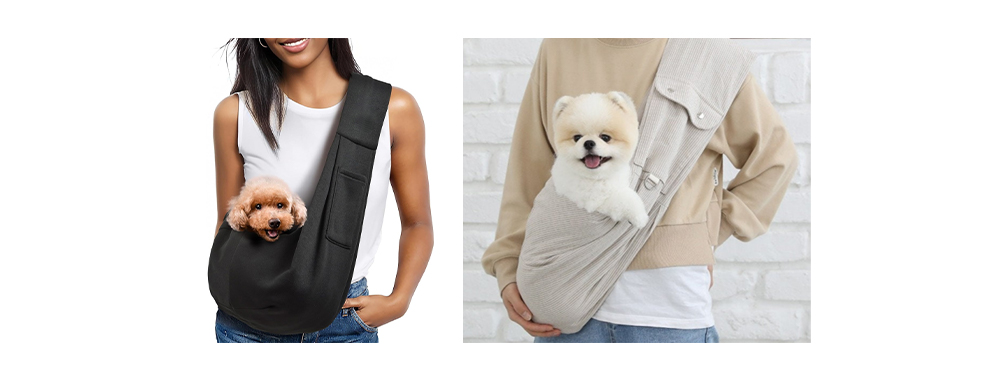
2.1.2 Sling bag
Subcategories
1)Cat sling / Cat carrier sling : Cats lack a sense of security and prefer to curl up more naturally inside the bag. Therefore, cat sling bags are usually designed to allow cats to maintain a sitting or lying posture with strong wrapping. Some cats may like to stretch their heads out of the bag to observe the world, so the design will take into account the size of the opening and safety. Typically, a zipper closure is used to ensure that the cat cannot easily escape. The fabric is selected to be soft and skin-friendly, with a focus on the width of the shoulder straps, support structure, and internal safety leash.

2)Dog Sling Bag / Dog Carrying Sling / Puppy carrier bag :Compared to cats, dogs are usually more active and enjoy looking around or interacting with their owners. Therefore, dog slings are often designed with larger openings to satisfy their curiosity about the environment. They typically include a dedicated safety leash to prevent the dog from jumping or escaping. Since dogs are generally larger, the design emphasizes close support and shoulder load reduction. The materials are usually soft fabrics, such as cotton-linen blends, twill, and reinforced mesh. Key design aspects include shoulder strap width, support structure, and internal safety leash.
2.1.3 Pet Tote Carrier / Pet Purse Carrier / Soft Pet Carrier Bag/ Dog Handbag
Subcategories
1)Dog Carrier Tote :These dog tote bags are often designed to combine aesthetics with practicality. The materials commonly used include ultra-light nylon twill and taffeta fabric with padded stitching. The handles are usually finished with PU leather trim, and the bottom of the bag features a removable padded insert. When not carrying a dog, the insert can be removed, instantly transforming the bag into a fashion purse carrier.

2) Dog Handbag :Dog handbags place greater emphasis on the style and feel of the materials. They often use fabrics such as embossed PU or velvet-like PU leather, maintaining basic space for the pet while ensuring the owner's fashion taste remains on point. Overall, higher standards are applied to leather quality, stitching, edge finishing (such as edge painting), hardware texture, and corrosion- and rust-resistance of the metal components.
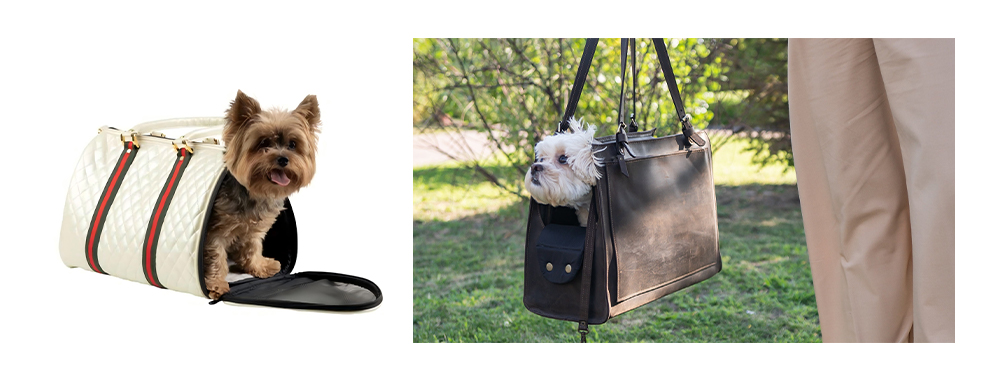
3)Dog purse / Dog purse carrier / Puppy purse carrier /Cat Purse Carrier:A purse carrier is a pet carrier bag designed to resemble a fashionable handbag. It is usually smaller than a tote bag, making it suitable for carrying small pets such as puppies and cats. Common materials include leather, fabric, and nylon. Its stylish appearance allows it to be used as a daily accessory, especially for taking pets to shopping, restaurants, cafés, and other social venues.
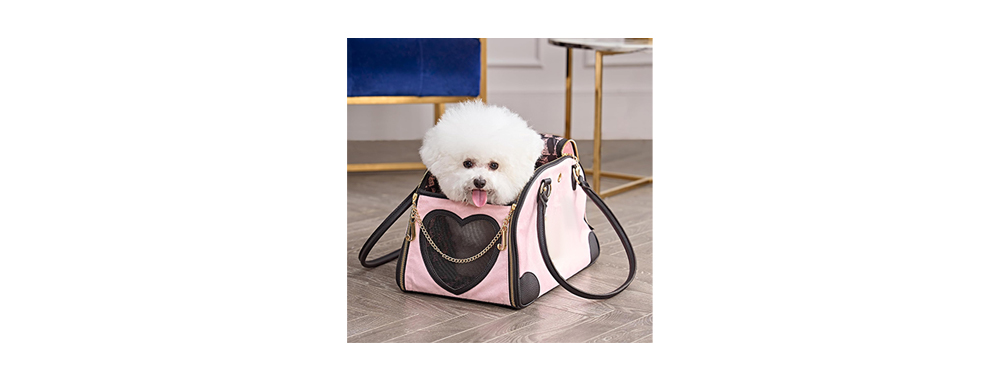
4)Soft Pet Carrier Bag:A soft pet carrier bag is a pet bag made from soft materials such as canvas, nylon, or polyester. It is typically used for carrying small pets, such as cats or small dogs, during daily outings, short trips, or visits to the veterinarian. Key design and craftsmanship considerations include the proportion of breathable structures, scratch-resistant lining materials, reinforced shoulder straps for load-bearing, and the use of eco-friendly materials that meet export standards.
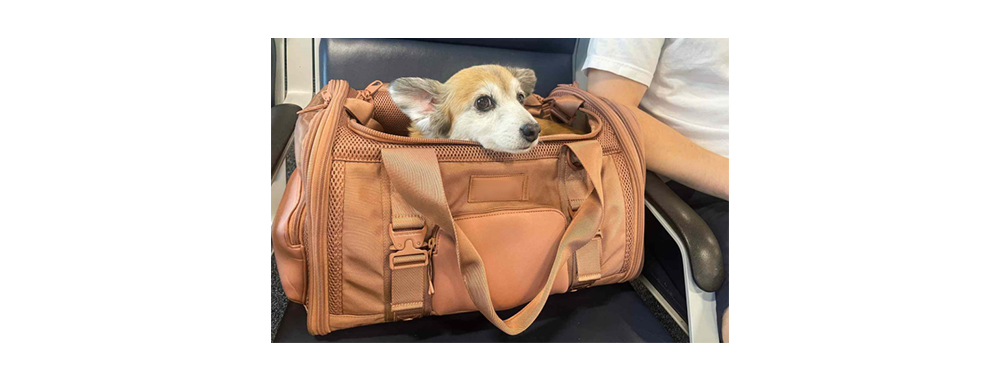
2.1.4 Cat Carrying Case/Padded Dog Travel Case / Pet Travel Case
1): Cat Carrying Case:These are mostly hard-shell cases, requiring injection molding or thermoforming processes. Strict standards apply to the locks, ventilation openings, and the case’s compression resistance. They are sturdy and provide excellent protection for pets (against crushing), with relatively independent interior space, making them suitable for placement on car back seats or for short-distance carrying.

2)Padded Dog Travel Case / Pet Travel Case:Travel-style bags usually feature multiple compartments and a large-capacity design, requiring extensive stitching, edge binding, and anti-deformation craftsmanship. The fabrics are primarily durable nylon or blended Oxford cloth, with reinforced frames added to maintain the bag’s shape.
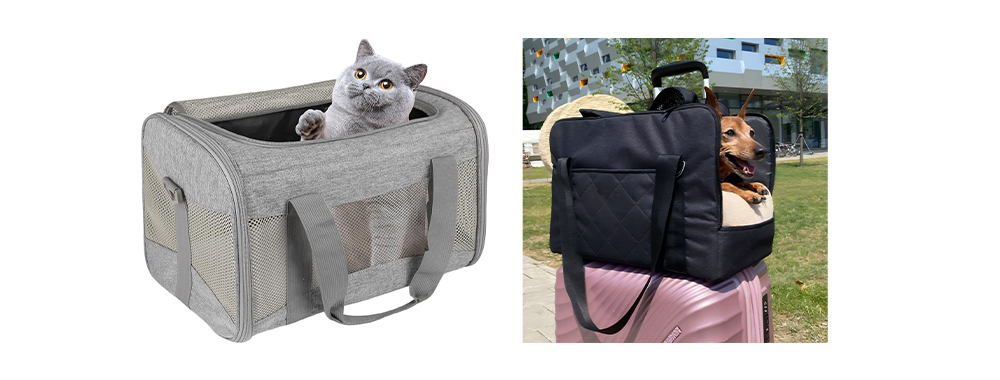
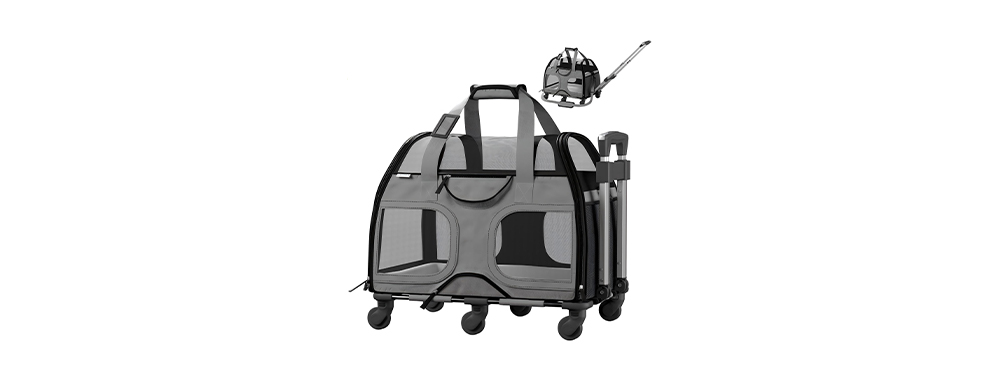
2.1.5 Pet Carrier on Wheels / Wheels Pet Carrier Bag:Pet rolling bags typically use a lightweight aluminum alloy telescopic handle and a PP/PC board base. Production focuses on the durability of the wheels and a structural design that evenly distributes stress across the bottom.
2.2.1 Cycling Pet Carrier Bag
1)dog backpack for biking:Backpacks designed for cycling with dogs should be lightweight, wind-resistant, and feature a stable, close-fitting structure. The shoulder straps must be widened and equipped with a chest buckle to ensure the bag remains secure and does not sway during rides.

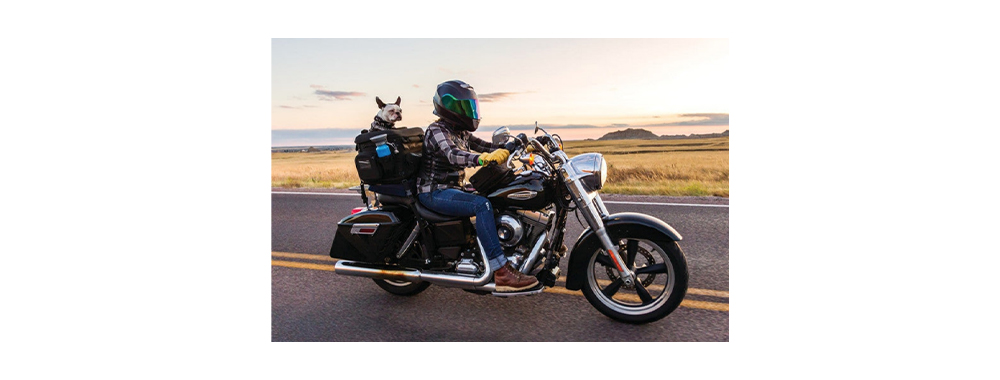
2)Dog Backpack for Motorcycle / Motorcycling Dog Backpack :Cycling dog backpacks must offer high stability and shock resistance. The fabric is usually made of windproof and waterproof nylon, with internal cushioning structures. The shoulder strap system must feature thickened, anti-slip padding.
2.2.2 Backpack for Dogs / Dog Backpack
1)Dog Hiking Backpack :Outdoor hiking backpacks primarily use durable fabric combined with large breathable mesh structures. Production focuses on frame stability and proper distribution of shoulder load, often incorporating chest or waist buckles for secure fastening.
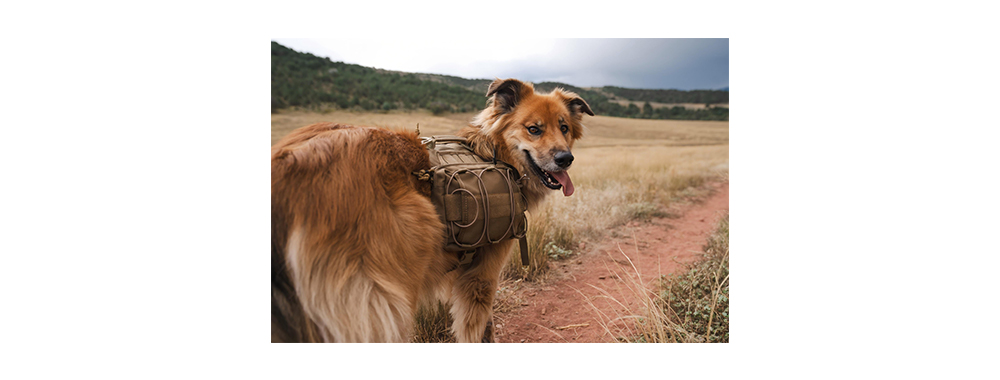
2)Daily Dog Backpack :This is a wearable pet backpack, with a focus on the stability of the shoulder and chest strap system. During production, special attention must be paid to edge binding with rubber strips, reinforced stitching points, and the tensile strength of buckles to prevent shifting or slipping when the dog runs. The design also needs to allow for adjustable space to accommodate different dog body types.

2.2.3 Pet Treat Holder / Dog Treat Holder : Small treat bags have a simple structure but require convenient opening and closing as well as oil-resistant interiors. They often use inner layers with waterproof coatings or TPU linings.

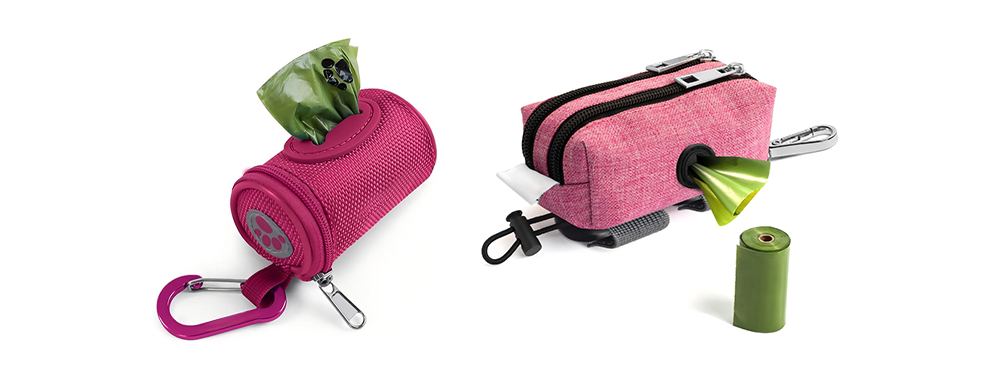
2.2.4 dog poop holder / dog poop bag carrier : These are small functional accessories, emphasizing lightweight, waterproof, and durable design.
Production focuses on smooth zippers, proper opening for roll-bag outlets, and the sturdiness of hooks and webbing. They are used to carry dog waste bags.
Inside the carrier, there is usually a rotating spindle to make it easier to pull out plastic bags smoothly. The exterior of the carrier often features a metal clip, allowing it to be attached to items such as a leash collar, backpack, or leash.
Pet bags cover a wide range of designs, from daily commuter bags to outdoor hiking backpacks, and from tote bags to rolling travel cases. Understanding these categories helps wholesalers, brands, and OEM clients plan their product portfolios more effectively, assess production feasibility, and maintain a competitive edge in the rapidly growing global pet market.
We hope the above information is helpful for your selection and planning of pet bags. We offer professional customization services for a variety of needs—please feel free to contact us for any inquiries.
| Author | ||||||
|
Please Read On, Stay Posted, Subscribe, And We Welcome You To Tell Us What You Think.




Copyright @2024 Synberry Bag & Package Products Co.,Ltd All Rights Reserved.
 Network Supported
Sitemap / Blog / Xml / Privacy Policy