
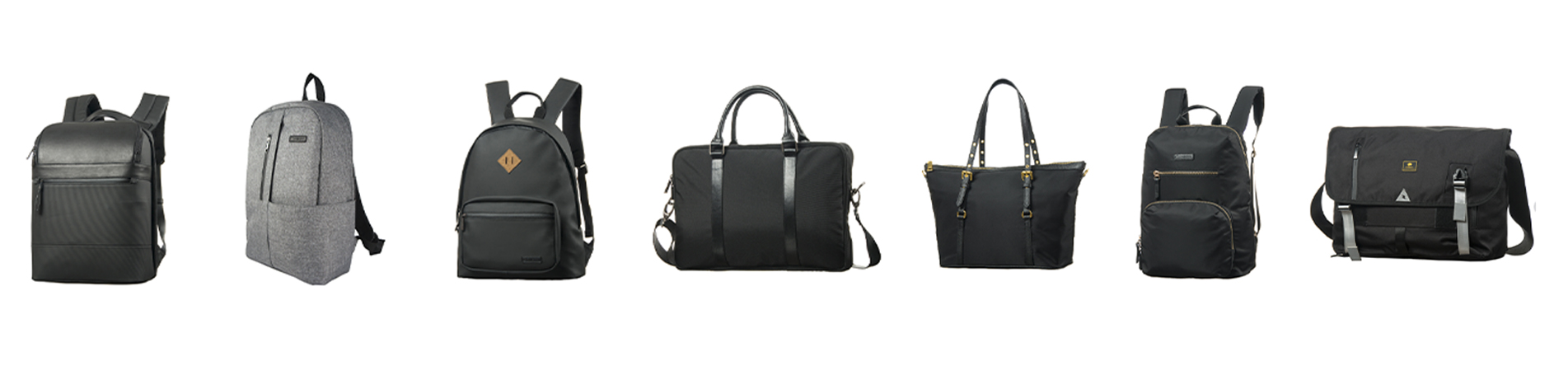
Why are more and more brands choosing PU leather for cosmetic bags? The answer is simple — PU leather offers a good balance of practicality, appearance, and cost:
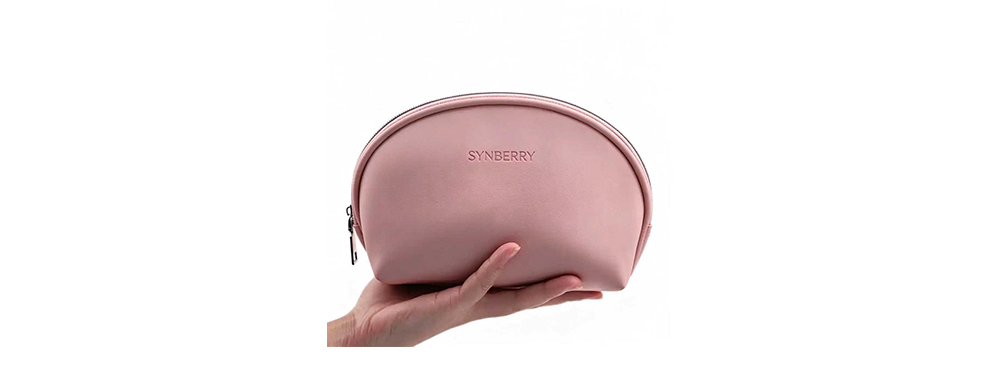
Table of Contents
• What Is PU Leather?
• What Are the Different Surface Finishes of PU Leather?
• What Factors Affect the Quality of PU Leather?
• How Do We Help Beauty Brands Find the Right PU Leather?
• Frequently Asked Questions About Custom Leather Bags / PU Cosmetic Bags
• Conclusion
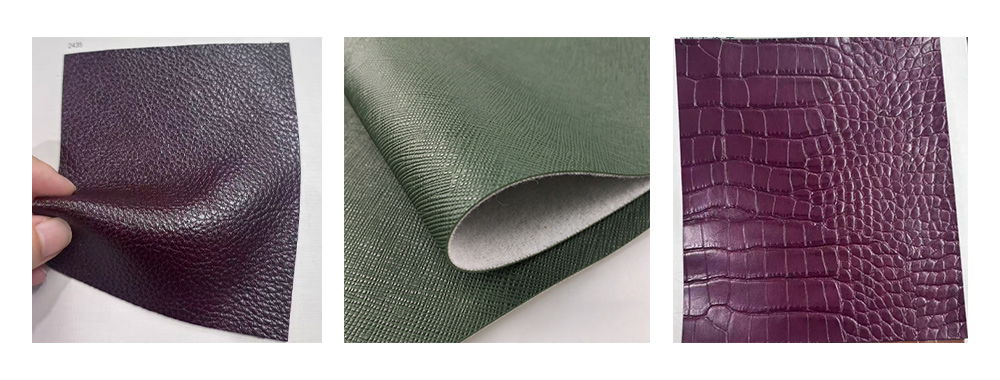
PU leather generally refers to artificial leather or synthetic leather products that use polyurethane (commonly abbreviated as PU) as the primary coating or film-forming material. It typically uses woven fabric, knitted fabric, non-woven fabric, or microfiber fabric as its base material. Through processes such as coating, impregnation, lamination, embossing, and surface finishing, it is transformed into a sheet material with the appearance and feel of genuine leather. By applying embossed patterns such as pebbled grain, crosshatch grain, or Nappa grain, PU leather can achieve different leather styles and appearances.
Therefore, PU leather is not natural leather processed from animal hides, nor should it simply be regarded as equivalent to all types of "faux leather." For example, PVC artificial leather also has a leather-like appearance, but its primary coating material, hand feel, flexibility at low temperatures, and processing methods differ from those of PU leather.
Key Advantages: For OEM cosmetic bag manufacturing, the value of PU leather lies in its material structure: the base fabric provides basic dimensional stability and tensile strength, while the polyurethane surface layer is responsible for the hand feel, abrasion resistance, water repellency, and overall appearance. This material structure is highly compatible with the usage environment of cosmetic pouches.
Cosmetic pouches frequently come into contact with foundation, lipstick, toner, and other skincare products. In addition, they must withstand frequent opening and closing, everyday carrying, and compression inside luggage. Therefore, they need to be easy to clean while maintaining a certain degree of flexibility and abrasion resistance.
Compared with ordinary uncoated fabrics, PU leather surfaces are generally less likely to absorb moisture and stains. Minor water stains or cosmetic residue can usually be wiped away with a slightly damp, soft cloth. Compared with genuine leather, PU leather is generally lighter, and its colors, textures, and batch-to-batch consistency are easier to control. It also does not require complicated leather care and maintenance.
Surface finishing of PU leather can be understood as a series of processes applied after the polyurethane coating has been formed. Through techniques such as embossing, printing, coating, film lamination, and functional finishing, these processes modify the texture, color, gloss, hand feel, and durability of the material. In actual production, multiple finishing techniques are often combined.
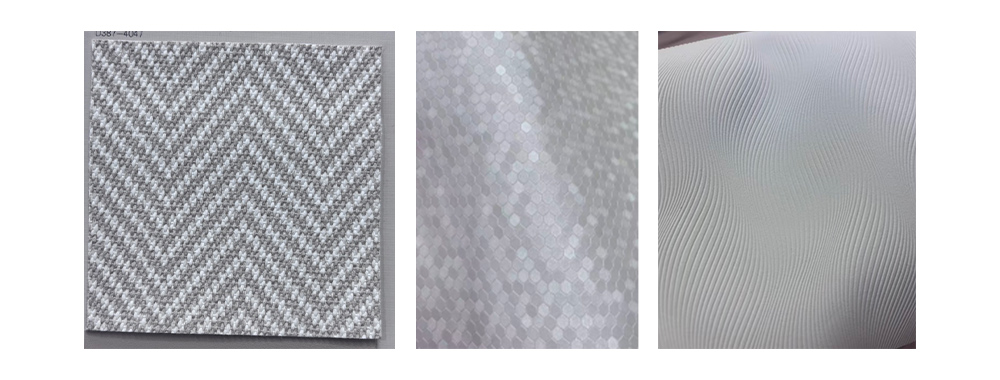
2.1.1 Embossing
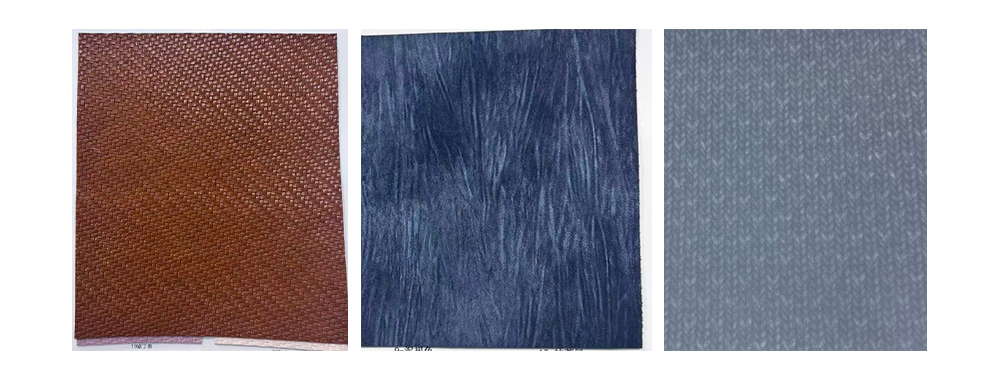
Embossing creates surface textures using embossing rollers or release paper. It is one of the most common surface treatment methods. This process enhances the leather-like appearance and can, to some extent, minimize the visual impact of minor scratches and creases.
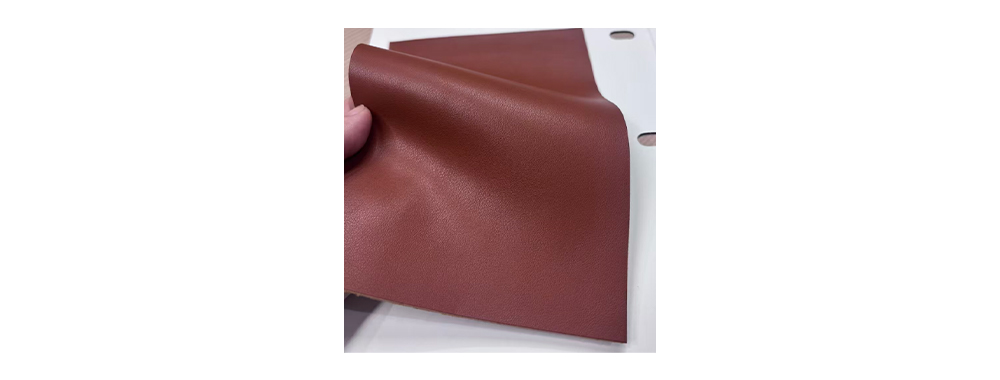
2.1.2 Plain Grain Finish
This finish retains a delicate, smooth, and even surface, although it may also feature very subtle natural textures (such as Nappa grain). It is suitable for minimalist cosmetic bags and provides an ideal surface for screen printing, hot stamping, and logo embossing. However, scratches may be more noticeable on this type of surface.
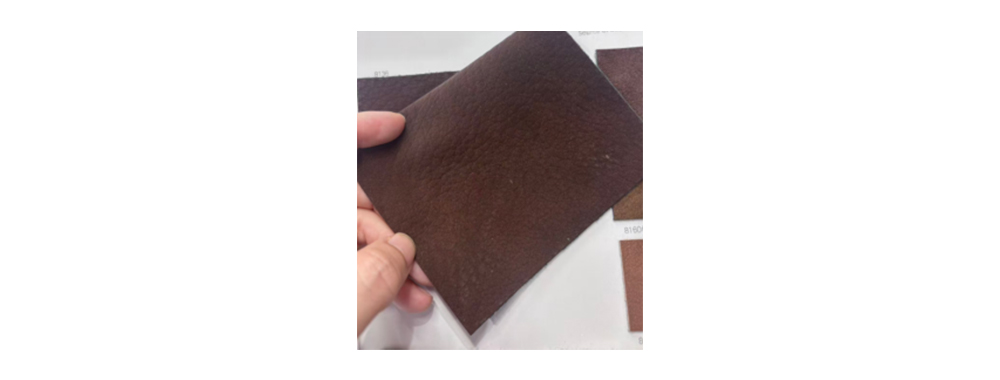
2.1.3 Suede and Matte Velvet Finish
This finish creates a soft, matte appearance with a delicate hand feel, producing an effect similar to suede leather. It is suitable for products with a natural, understated style.
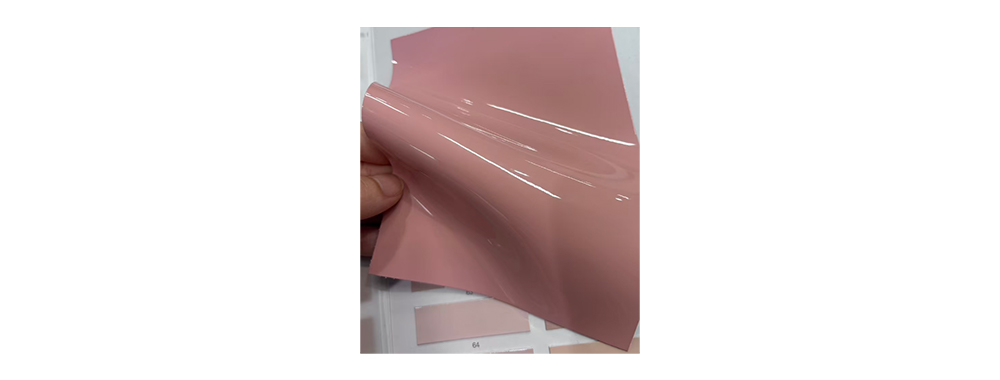
2.2.1 High-Gloss and Mirror Finishes
Through surface coating or film lamination, this treatment creates a high-gloss, patent-leather-like appearance. It delivers a strong visual impact and is suitable for gift cosmetic bags, limited-edition fashion collections, and small beauty pouches.
2.2.2 Matte Finish
This finish reduces surface reflection, giving the leather a softer and more understated appearance. It is suitable for products positioned around minimalist, natural, or understated luxury styles.
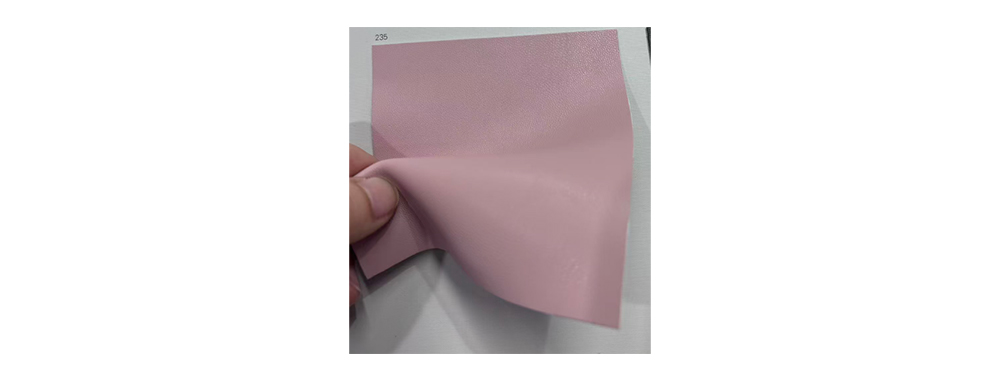
2.2.3 Skin-Like and Soft-Touch Finish
By adjusting the surface-layer formulation and coating process, this treatment gives the material a finer, smoother, and more pleasant hand feel. It is suitable for small makeup pouches that emphasize tactile quality.
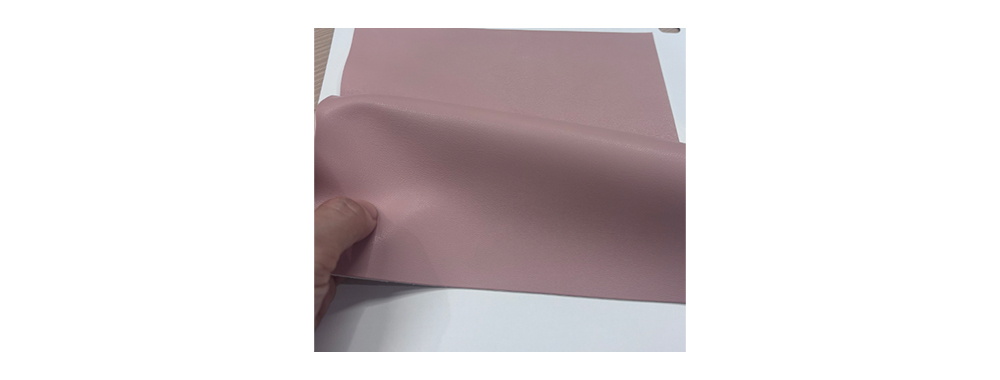
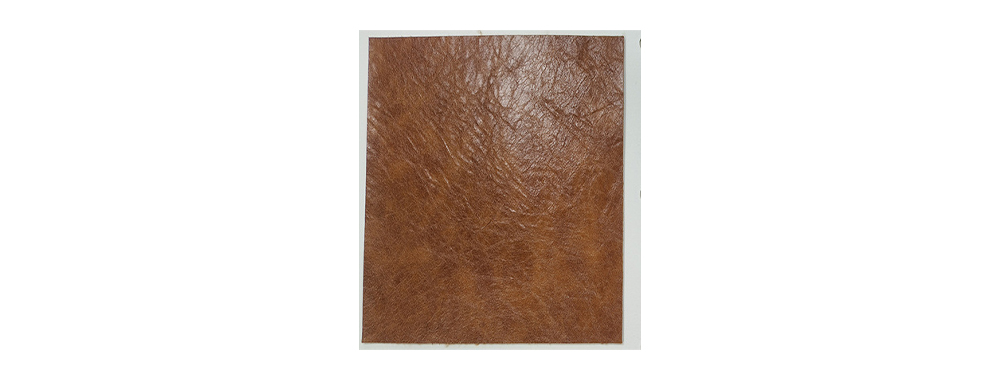
2.2.4 Oil-Waxed and Vintage Finish
This treatment gives the leather a natural sheen, variations in color depth, or a vintage leather appearance. It is suitable for travel toiletry bags and vintage-inspired collections.
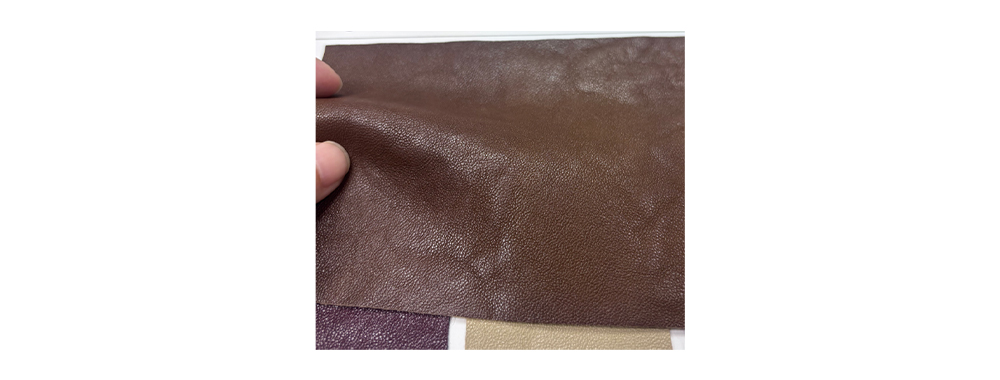
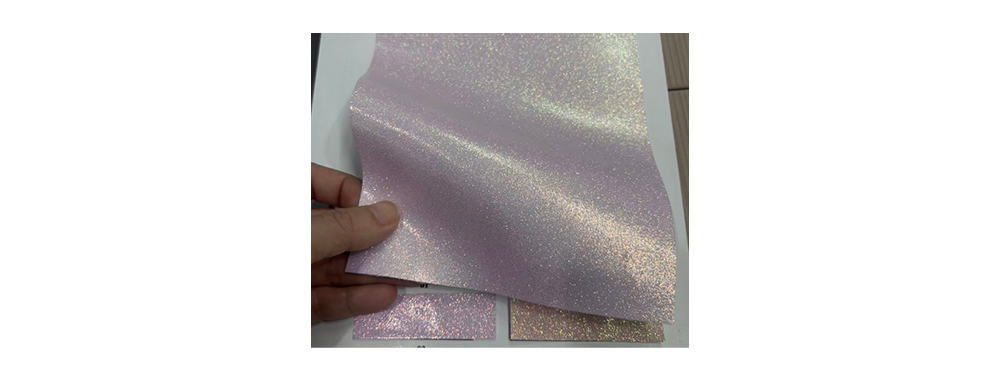
2.3.1 Pearl and Metallic Finishes
Pearlescent or metallic effects are incorporated into the surface finish to create appearances such as pearl white, champagne gold, and rose gold. These finishes are commonly used for makeup gift cosmetic bags, holiday gift sets, and loyalty program gift products.
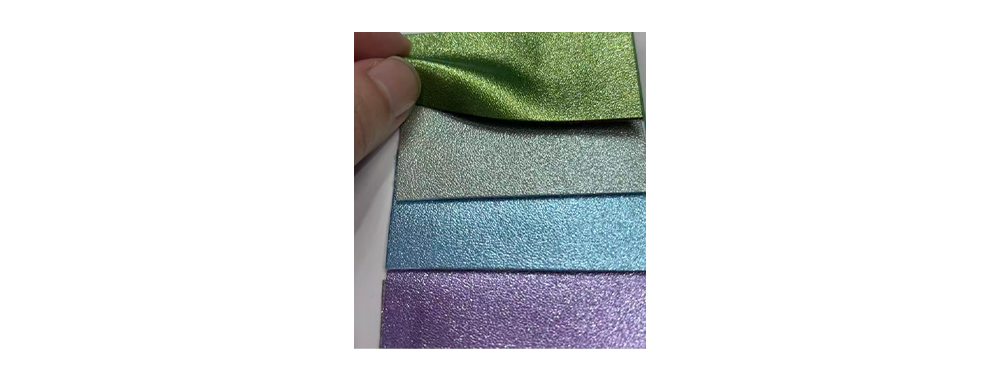
2.3.2 Two-Tone and Multi-Tone Finishes
By using differences between the base color and surface color, this treatment creates varying shades in the recessed and raised areas of the texture, enhancing the three-dimensional and vintage effects. The resulting color layers are richer and more dimensional, making this finish suitable for highlighting brand color schemes or coordinating with seasonal theme colors.
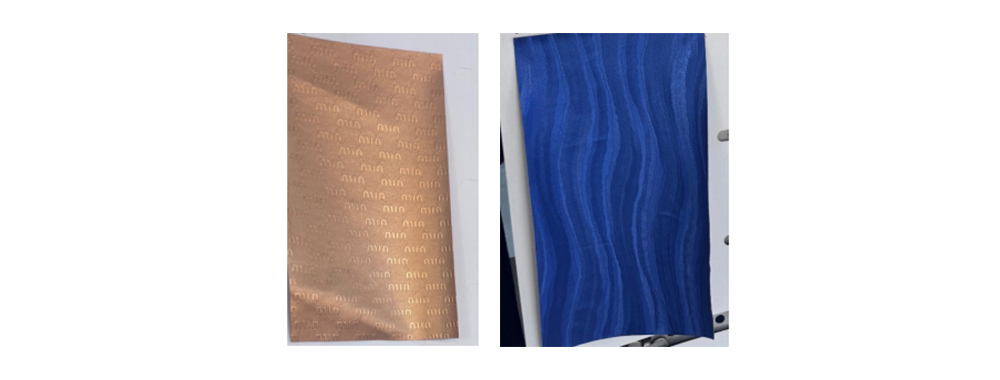
2.3.3 Printed Finishes
Through screen printing, roller printing, or other suitable printing techniques, brand graphics, animal patterns, or geometric designs can be applied to the surface. This finish is suitable for themed collections and collaboration products.
2.3.4 Laser and Iridescent Finishes
Special coatings or films are used to create reflective effects that change depending on the viewing angle. These finishes are suitable for products targeting younger consumers and trend-conscious markets.
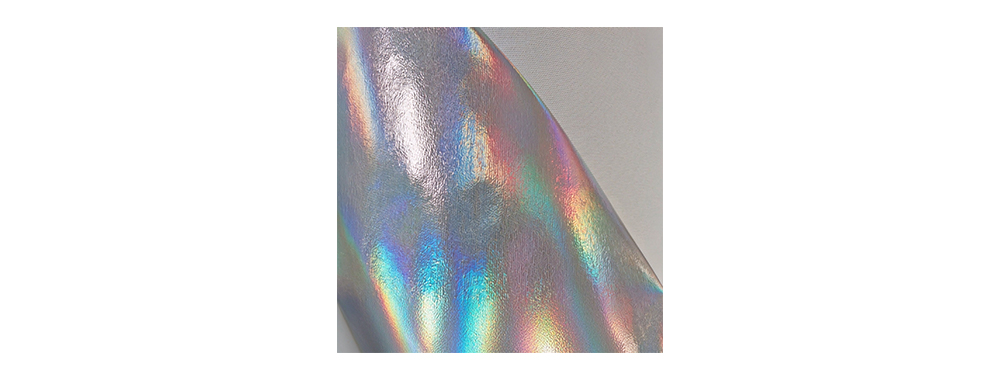
Transparent, colored, or specially designed optical films are laminated onto the surface of PU leather. This process can create mirror, laser, and iridescent effects while also providing additional protection for printed designs or the leather surface
In addition to decorative effects, the following post-processing treatments can also be applied according to the product positioning:
Some of these performance characteristics come from surface finishing, while others are jointly determined by the base fabric, polyurethane formulation, and overall manufacturing process.
Before customizing a PU leather cosmetic bag, beauty brands can communicate their product usage scenarios and specific requirements to the factory in advance to determine which additional post-processing treatments are necessary.
However, it is important to note that additional post-processing treatments generally require a relatively high minimum order quantity (MOQ). Standard in-stock materials already provide basic stain resistance, water resistance, and abrasion resistance.
The quality of PU leather is not determined simply by whether it is "thick enough" or "soft to the touch." The durability of a PU leather material depends on the combined effects of its polyurethane formulation, base fabric, coating structure, and manufacturing processes.
Polyurethane resin is the core raw material used to form the PU leather film. Its type, molecular structure, and formulation directly affect the material's softness, resilience, abrasion resistance, hydrolysis resistance, and aging resistance.
Polyurethane can be divided into two main systems. Different types of polyurethane have different levels of stability in hot and humid environments:
The base fabric serves as the "skeleton" of PU leather. Common types include woven fabric, knitted fabric, non-woven fabric, and microfiber fabric.
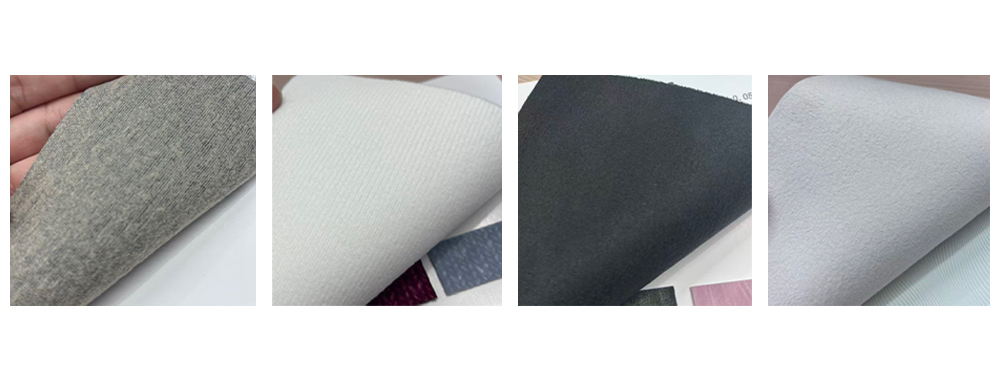
The main effects of base fabric quality on PU leather can be seen in the following aspects:
|
Influencing Factor |
Impact on PU Leather Quality |
Potential Problems if Not Properly Controlled |
|
Fiber and Weaving Structure |
Affects the material's tensile strength, tear strength, and bursting strength, as well as its softness, flexibility, and resistance to deformation. |
The material may easily deform or tear under stress, or become damaged prematurely in high-stress areas such as handles and bag corners. |
|
Weight and Density |
Affect the material's thickness and fullness, resilience, structural support, and dimensional stability. |
The material may be too soft or thin, causing the bag to lose its shape or collapse. Uneven density may also result in inconsistent performance across different areas. |
|
Base Fabric Uniformity |
Affects coating distribution, finished material thickness, and hand-feel consistency throughout the entire roll. |
Uneven surface thickness, horizontal lines or streaks, and inconsistent softness or stiffness may occur, affecting cutting and sewing stability. |
|
Bonding with the Coating |
Determines the adhesion strength between the base fabric and polyurethane coating, affecting folding resistance and peel resistance. |
Blistering, delamination, peeling, or coating detachment in folded areas may occur during use. |
Therefore, even if two types of PU leather use similar surface coatings, differences in their base fabrics can result in significantly different softness, deformation resistance, and durability in the finished materials.
PU leather is generally not made of just a single layer of coating. Instead, it typically consists of multiple layers, including the base fabric, impregnation layer, foam layer, surface layer, and decorative finish layer. The specific structure varies depending on the manufacturing process and product type.
The following aspects require particular attention:
Even when using the same raw materials, different manufacturing conditions can result in different product quality. Key parameters include coating application weight, oven temperature, drying time, production speed, tension control, impregnation level, and curing conditions.
Therefore, PU leather quality cannot be evaluated based on hand feel and thickness alone. It is also closely related to polyurethane composition, coating structure, and post-processing techniques.
For a wash bag, what truly affects the user experience is whether the material can maintain its appearance and structural stability after repeated opening and closing, contact with cosmetics, and everyday carrying.
The common thickness range of PU leather used for bags is approximately 0.6–1.2 mm. Some travel bags and backpacks that require greater structural support use thicker specifications. For makeup bags, the following thickness ranges can serve as a reference:
|
Finished PU Leather Thickness |
Material Characteristics |
Typical Applications |
|
Approx. 0.5–0.7 mm |
Lightweight and soft, easy to fold and sew. |
Lipstick pouches, flat zipper bags, lightweight promotional gift bags. |
|
Approx. 0.6–0.8 mm |
Offers a relatively balanced combination of softness and durability. |
Everyday handheld cosmetic bags, small Boston-style bags, standard travel storage bags. |
|
Approx. 0.8–1.0 mm |
Provides enhanced structural support and a fuller bag shape. |
Semi-structured box bags, wide-opening toiletry pouches, cosmetic bags with compartments. |
|
Approx. 1.0–1.2 mm and above |
Provides stronger structural support and a more rigid, structured appearance. |
Box-shaped cosmetic bags, cosmetic cases, display-oriented products, and premium gift collections. |
The thickness mentioned here generally refers to the finished material thickness, including both the base fabric and the coating. Even two materials with the same thickness may have completely different hand feels due to differences in base fabric density and coating softness or stiffness.
When customizing leather cosmetic bags, thicker material is not necessarily better. The appropriate specifications should be selected according to the product positioning.
For example, soft, small-sized pouches can prioritize lightweight materials and good folding performance. Larger, three-dimensional bags, on the other hand, may require a combination of thicker outer materials, padding, reinforcement materials, or internal support boards to achieve the desired shape.
Using excessively thick materials for small bags may actually result in bulky corners, difficult zipper operation, and challenges when turning the bag inside out during manufacturing.
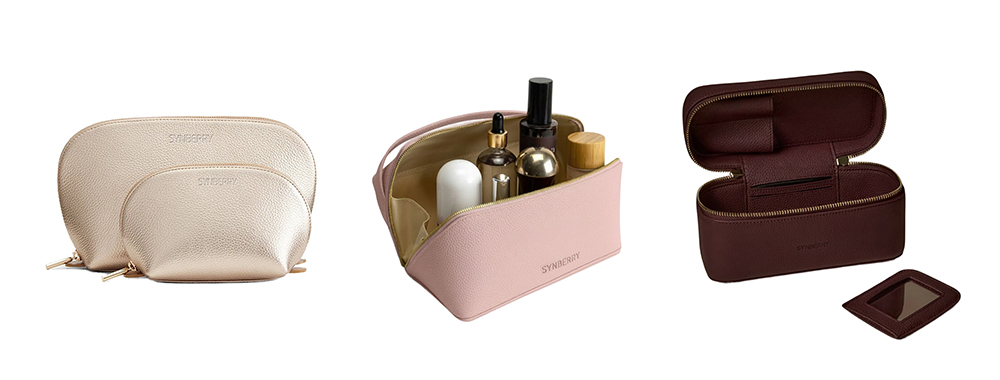
After confirming the bag structure, we can further match the appropriate leather surface finish:
Colors can be developed based on brand color cards, Pantone color codes, or physical samples. At the same time, gloss level, embossing depth, and logo application techniques should also be confirmed.
For dark-colored embossed materials, mirror-finish materials, or specially laminated materials, the adhesion performance of hot stamping and printing should be evaluated in advance. This helps avoid situations where the material looks attractive but cannot consistently reproduce the brand logo.
Material swatches can only be used for preliminary selection. Actual product sampling is necessary to identify potential problems during manufacturing and use.
We pay particular attention to the forming results around sewing lines, edge binding, bag turning, corners, and zipper areas, checking for wrinkles, whitening, corner bursting, or coating cracks.
Considering the actual usage environment of leather cosmetic bags, we can also evaluate the following aspects according to the product positioning:
We assist brands in identifying the testing items required according to their target markets and intended consumer groups. Compliance requirements for cosmetic bags and their materials are not entirely the same across different markets.
For brands exporting products to multiple regions, we recommend prioritizing a relatively comprehensive testing plan, using EU standards as the foundation and supplementing them with specific testing items required by individual destination markets.
This approach can help reduce duplicated testing costs while lowering the risk of products failing random inspections in specific markets.
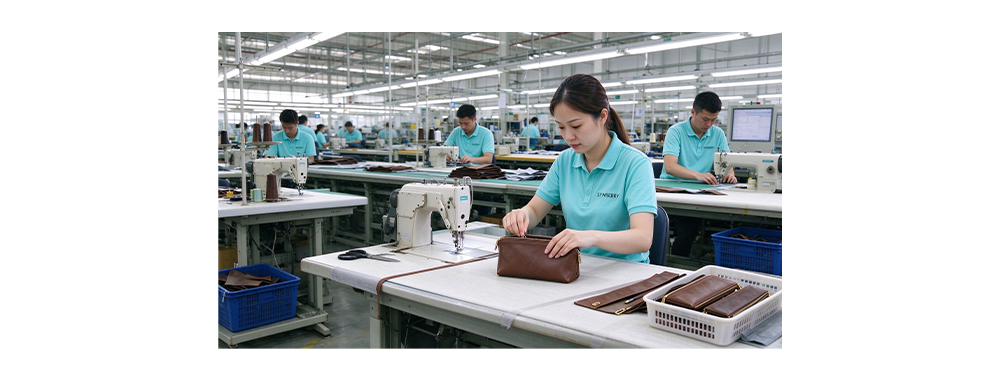
SYNBERRY BAG has established in-depth partnerships with dozens of beauty brands worldwide and has consistently followed a strict quality control system, which includes the following procedures:
During the sewing stage, we follow a three-step inspection process: First Article Approval – In-Process Inspection – Finished Product Sampling Inspection.
The first article must be checked to ensure that the bag shape, stitching, zipper position, edge binding, and logo application meet the required specifications. During in-process inspections, we pay particular attention to sewing tension consistency and whether any stress-bearing areas show signs of pulling or deformation.
Relevant inspection records, retained samples, and test reports are archived according to each order, making it easier to manage repeat orders, trace customer complaints, and compare different production batches in the future.
Through this closed-loop management system, covering everything from raw materials to finished products, we can minimize the impact of batch variations on material performance to the greatest extent possible.
For beauty brands, choosing a professional cosmetic pouch factory like this not only helps reduce the risk of rework and quality issues at later stages but also contributes to maintaining consistent brand presentation and delivering a stable consumer experience in the market.
No. PU leather is generally made using woven fabric, knitted fabric, non-woven fabric, or microfiber fabric as its base material, combined with polyurethane coating, impregnation, and surface finishing processes.
It can replicate the textures and hand feel of natural leather, but it is not genuine leather made from processed animal hides.
No. Microfiber leather, also known as microfiber synthetic leather, uses ultra-fine fibers woven through specialized textile processes as its base material. It is then combined with polyurethane resin impregnation and surface coating treatments. Its overall structure and performance are closer to those of natural leather.
PU leather, on the other hand, can use a much wider range of base fabrics, including not only microfiber fabrics but also ordinary woven fabrics, knitted fabrics, and non-woven fabrics.
The most noticeable differences between the two are their prices and performance:
However, differences gradually become apparent after a period of actual use. Microfiber leather generally demonstrates better stability under repeated bending, long-term friction, and humid conditions, with a lower likelihood of delamination, peeling, or coating powdering.
One of the main differences between the two materials lies in their surface composition. PU leather uses polyurethane as its primary film-forming material, while PVC artificial leather is primarily based on a polyvinyl chloride system.
They have different characteristics in terms of hand feel, weight, low-temperature flexibility, processing methods, and application scenarios. Their actual performance still depends on the specific formulation and manufacturing processes, so it is not accurate to simply assume that one material is superior to the other in every aspect.
The key difference between water-based PU and solvent-based PU lies primarily in the medium used to disperse or dissolve polyurethane during production and processing.
Water-based PU uses water as its dispersion medium, while solvent-based PU uses organic solvents as its medium. Both can be used to manufacture PU leather.
However, being "water-based" or "solvent-based" does not directly determine whether the final product is of better or inferior quality. Their main characteristics are as follows:
Main Characteristics of Water-Based PU:
Main Characteristics of Solvent-Based PU:
• Its compliance and environmental performance depend on the specific formulation, residual solvent control, exhaust gas treatment, and testing results. It cannot be judged solely by whether it is solvent-based.
PU leather surfaces generally offer a certain degree of water repellency and resistance to liquid penetration. Small amounts of water can usually be wiped away promptly.
However, this does not mean that PU leather is completely waterproof. Moisture may still enter the inside of the cosmetic bag through needle holes, edge binding, seams, or zippers. Therefore, prolonged immersion in water is not recommended.
Common causes include insufficient adhesion between the coating and base fabric, long-term wear, repeated bending, hydrolysis and aging caused by hot and humid environments, as well as high temperatures, light exposure, or improper storage.
Surface wear does not necessarily mean that the base fabric has already been damaged. However, once the coating begins to powder or peel over a large area, it is generally difficult to restore through simple cleaning.
There is no fixed lifespan that applies to all types of PU leather.
The service life is affected by factors such as resin formulation, base fabric, coating structure, surface finishing, frequency of use, and storage conditions.
Standard PU leather products on the market generally last around 2–3 years under normal use, while hydrolysis-resistant PU leather can extend this period to approximately 3–5 years without deterioration or peeling.
The minimum order quantity (MOQ) is generally affected by whether the material is available in stock, whether custom colors or additional surface treatments are required, as well as the bag structure and manufacturing complexity.
The sampling lead time for standard designs is generally around 7–15 working days. The exact timeframe depends on the complexity of the bag design, material availability, and logo application requirements.
If new cutting dies, customized hardware, or multiple pattern adjustments are required, the lead time will increase accordingly.
The mass production lead time is generally around 30–40 days. However, production schedules may be further extended during public holidays, peak seasons, or when special post-processing treatments are required.
When planning a product launch, we recommend that brands reserve at least 4–6 weeks of additional buffer time for sample approval and potential revisions. This helps prevent minor design adjustments from affecting the overall product launch schedule.
For beauty brands, customizing a PU leather cosmetic bag is not simply about choosing a reliable cosmetic bag supplier. It is also a form of proactive management of the overall brand experience.
Every detail of a cosmetic bag, from its appearance and hand feel to zipper smoothness and lining neatness, contributes to the consumer's overall impression of the brand.
Only when the right materials are selected and manufacturing processes are consistently controlled can a product deliver a consistent appearance on retail shelves and a consistent user experience in consumers' hands.
This is also an important foundation for improving repeat purchases and strengthening consumer trust in the brand.
| Author | ||||||
|
Please Read On, Stay Posted, Subscribe, And We Welcome You To Tell Us What You Think.




Copyright @2024 Synberry Bag & Package Products Co.,Ltd All Rights Reserved.
 Network Supported
Sitemap / Blog / Xml / Privacy Policy