
Published: May 14, 2026 | By SYNBERRY Product Compliance Team
On March 31, 2026, China’s State Administration for Market Regulation (SAMR) officially issued GB 20400-2026 — the Safety Technical Specification for Leather and Fur Products. This mandatory national standard will fully replace GB 20400-2006 on April 1, 2027, ending a compliance framework that has governed China’s leather industry for nearly two decades.
For bag brands, retailers, and OEM/ODM buyers sourcing leather handbags, wallets, belts, and accessories from China, this is not a minor paperwork update. It introduces new chemical limits, mandatory labeling rules, and a stricter restricted aromatic amines list that will directly impact supply chains, testing budgets, and product labeling.
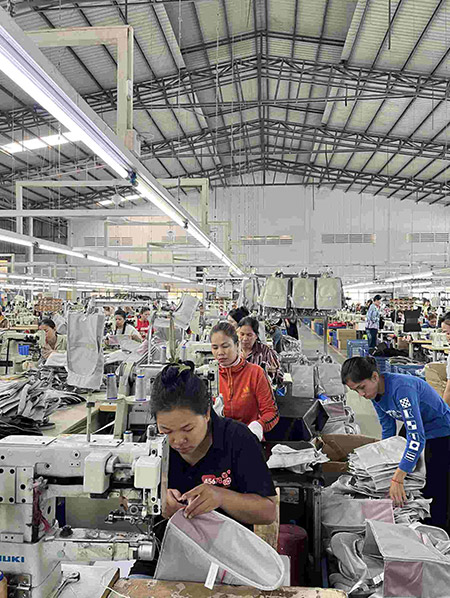
At SYNBERRY BAG, we work with global buyers every day who rely on China-made leather and fur components. This guide breaks down exactly what’s changing, when it takes effect, and how to stay ahead of compliance risks. Synberry leather backpacks’ production line
GB 20400-2026 sets the safety technical requirements for daily-use leather, fur, and recycled leather products — specifically the parts that are accessible to consumers (e.g., exterior leather panels, handles, trim, linings with leather content).
Scope includes:
Scope excludes:
Bottom line for bag buyers: If your product contains leather, fur, or recycled leather that a consumer can touch, this standard applies.
① New Safety Technical Requirements
The 2026 edition introduces additional safety technical parameters beyond the 2006 version. While the full testing matrix is still being disseminated by labs, buyers should expect stricter overall compliance thresholds that align with modern consumer safety expectations.
② Mandatory Labeling — "GB 20400-2026 Category X"
For the first time, products must carry a label indicating the standard number and the safety category they meet, for example:
GB 20400-2026 B C-Category
This means your product hangtags, care labels, or packaging destined for the China market (and increasingly requested by global buyers as proof of compliance) must explicitly reference the standard and category. OEM buyers should add this to their tech pack requirements immediately.
③ Revised Formaldehyde Limits
Formaldehyde restrictions have been updated. Leather components in bags — especially bonded leather, suede linings, and certain dyed finishes — will need re-testing under the new limits to ensure compliance.
④ Expanded Restricted Aromatic Amines List: 20 → 24
The banned aromatic amines derived from azo dyes increase from 20 to 24 substances. The notable addition is 4-aminoazobenzene, a compound now explicitly restricted.
This directly affects:
Action item: Ask your tannery or dye house for updated dye declarations and test reports covering all 24 amines.
⑤ New Definitions and Scope Clarifications
The 2026 edition revises key definitions and tightens the scope language. This reduces ambiguity but also narrows the window for "grey area" interpretations that some suppliers may have relied on under the 2006 version.
| Milestone | Date | What It Means |
| Standard Issued | March 31, 2026 | Official publication; testing labs begin method validation |
| Effective Date | April 1, 2027 | All products produced or imported on or after this date must comply with GB 20400-2026 |
| Grace Period Ends | October 1, 2028 | Products produced/imported before April 1, 2027 can no longer rely on the old standard and must transition to 2026 requirements |
What This Means for Your Sourcing Calendar
For Brands & Retailers
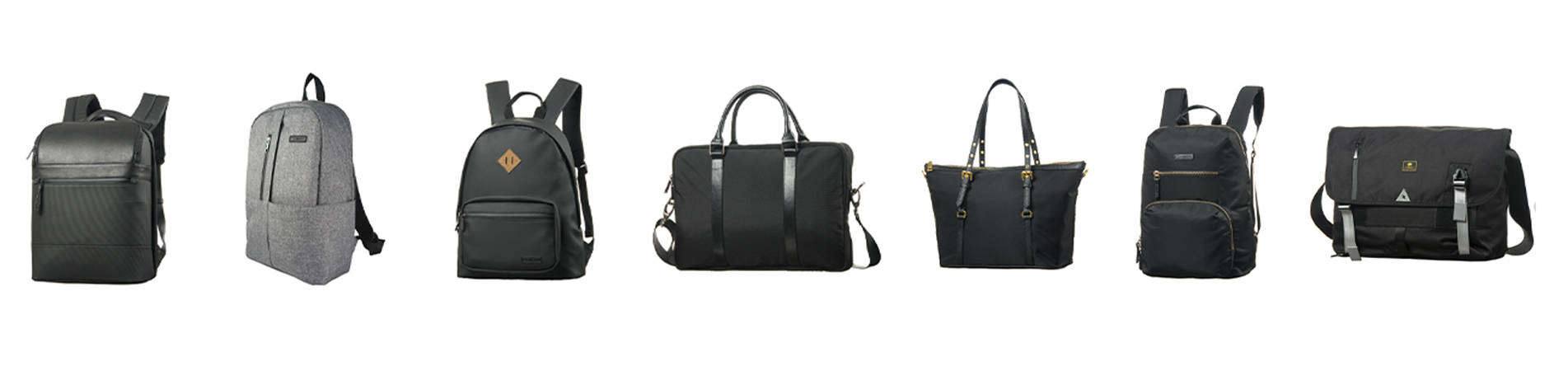
As a 33-years OEM/ODM manufacturer specializing in backpacks, handbags, cosmetic bags and other leather goods like leather belts, we are proactively adapting to GB 20400-2026 so our buyers don’t have to absorb the compliance shock alone.
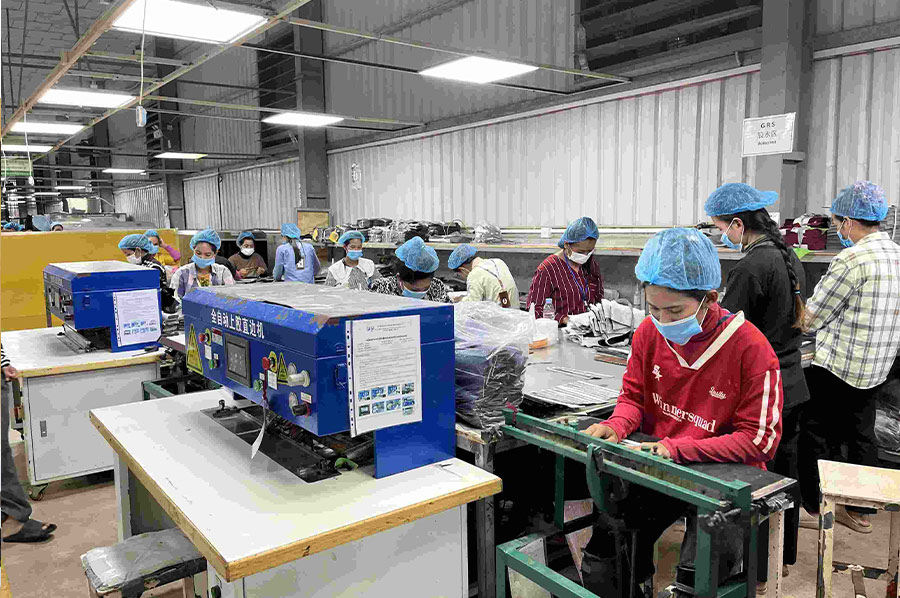
Leather gluing line of Synberry Bag
What We’re Doing Now:
What You Should Do Next:
Q: Does GB 20400-2026 apply to PU leather or vegan leather?
A: No. The standard applies to genuine leather, fur, and recycled leather. PU/vegan leather falls under other standards (e.g., GB/T 8948 or REACH for EU markets). However, if your bag uses both genuine leather trim and PU body, the leather trim must comply.
Q: My products are exported to Europe/USA, not sold in China. Do I still need to care?
A: Even if your destination market is outside China, your manufacturing base is likely in China. Chinese customs and market surveillance increasingly check exported goods for compliance with mandatory national standards. Moreover, many global retailers (especially in Germany, France, and the Nordics) now request Chinese mandatory standard compliance as part of their vendor scorecards.
Q: What is the difference between Category A, B, and C?
A: The standard maintains a classification system (A = direct skin contact / infant-grade, B = direct skin contact, C = non-direct skin contact). The exact testing limits differ by category. Most fashion handbags with leather handles or linings fall under Category B.
Q: Can I use test reports from GB 20400-2006 after April 2027?
A: Only for products produced or imported before April 1, 2027, and only until October 1, 2028. After that, all products must meet the 2026 version.
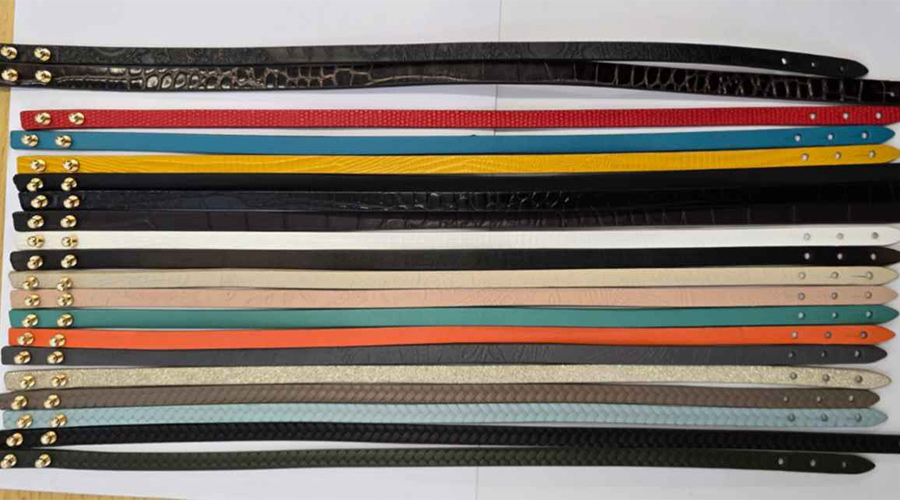
Leather belts produced by Synberry
GB 20400-2026 represents a significant modernization of China’s leather safety rules. The 20-year-old framework is giving way to stricter chemical controls, clearer labeling, and an expanded banned-substances list. For bag brands and OEM buyers, the message is simple: plan now, test early, and align your supply chain before April 2027.
At SYNBERRY BAG, compliance is built into our development process — not treated as an afterthought. Whether you’re launching a new leather handbag line or updating an existing collection, we can help you navigate GB 20400-2026 from material selection to final labeling.
Ready to make your next collection compliant?
Contact our team today → for a free compliance checklist tailored to your product mix.
Disclaimer: This article is for informational purposes based on publicly available standard summaries. For legal compliance decisions, always consult a certified testing laboratory or regulatory advisor.
| Author | ||||||
|
Please Read On, Stay Posted, Subscribe, And We Welcome You To Tell Us What You Think.




Copyright @2024 Synberry Bag & Package Products Co.,Ltd All Rights Reserved.
 Network Supported
Sitemap / Blog / Xml / Privacy Policy