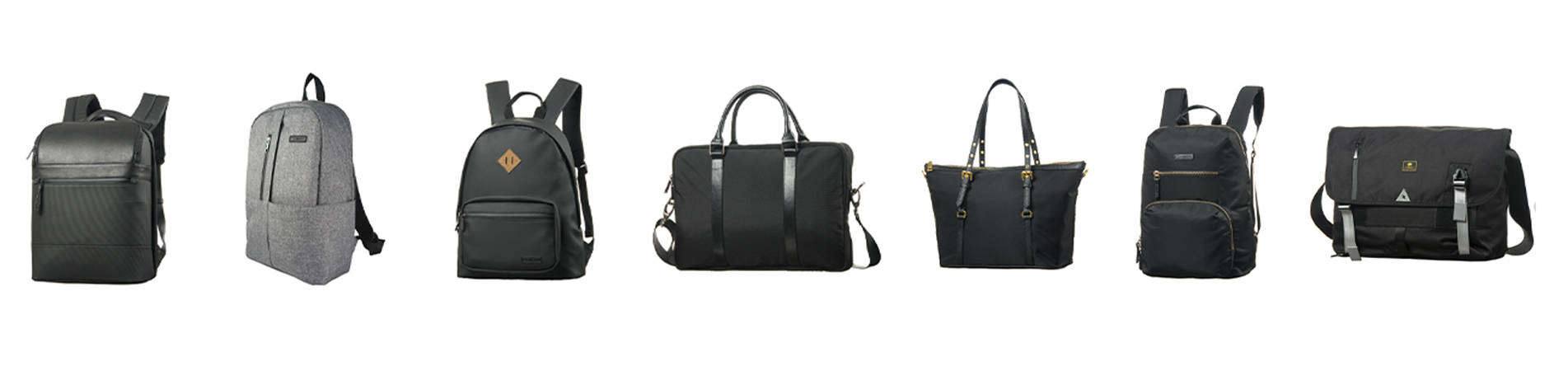
china backpack manufacturer
Home

Blog

Blog

  • What is Oxford Fabric
    What is Oxford Fabric Dec 22, 2025
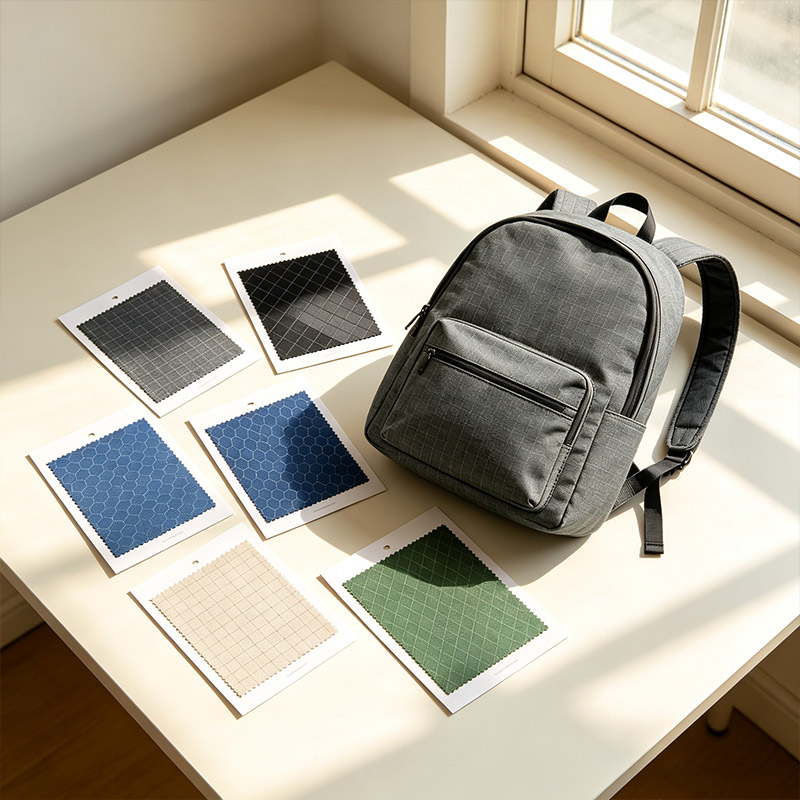
    Oxford fabric, also known as Oxford weave, is a tightly structured and highly versatile woven textile that originated in England around 1900. It first earned its name through its use in dress shirts at the University of Oxford.   Its most distinctive feature is the unique “2×2 basket weave” in which two warp yarns interlace with two weft yarns to create a small, check-like texture that yields a sturdy cloth. This construction gives Oxford fabric its hallmark combination of durability, breathability, wrinkle resistance, and a relatively soft hand. 1. Definitions: Oxford Fabric vs. Oxford Spinning   • Oxford fabric is the broader term that covers any cloth woven with this specific basket-weave structure. • Oxford spinning (or “Oxford shirting”) normally refers to the lighter, softer versions of Oxford cloth intended for shirts, usually made of cotton or cotton blends and valued for comfort and appearance.   In short: all Oxford spinning is Oxford fabric, but not every Oxford fabric qualifies as Oxford spinning. A heavy, coated polyester Oxford cloth used for luggage, for example, would never be called “Oxford spinning.” 2. How to Choose and Identify Oxford Fabric for relevant product development   2.1. Match the fabric to its intended use • For shirts: pick cotton or high-count cotton-blend Oxford; it should feel soft and supple. • For bags or outdoor gear: choose coated polyester/nylon Oxford and check the denier (D) and coating type.   Denier indicates yarn thickness. Common values are 300 D, 600 D, 900 D, 1 000 D, 1 200 D, 1 680 D, etc. The higher the denier, the thicker the yarn, and the heavier, tougher, and more abrasion-resistant the fabric. A 1 680 D bag, for example, will be extremely rugged but also noticeably heavier.   Coating determines water resistance, scuff resistance, and other protective properties.   2.2. Fabric Hand Feeling: good Oxford should be uniform in texture, have a smooth, even coating, and be free of unpleasant odors.   2.3. Inspect the weave: the classic tiny basket-weave check is the signature mark; even on coated cloth the pattern should still be visible. 3. Key Characteristics of Oxford Fabric   3.1 Durability & strength: the tight basket-weave makes the cloth extremely tough and abrasion-resistant, so it tears only under considerable stress.   3.2 Breathability: compared with many fully synthetic coated textiles, natural or blended Oxford allows noticeably more air and moisture to pass through.   3.3 Wrinkle resistance: the slightly heavier weight and textured surface help it resist creasing better than plain-weave cotton.   3.4 Soft comfort: although inherently sturdy, finished Oxford—especially cotton versions—can be made surprisingly soft, making it comfortable next to the skin.   3.5 Easy care: the fabric is generally machine-washable and quick to dry, requiring little special maintenance. 4. Here’s how Oxford fabrics are categorized per its fiber composition and performance:   4.1 100 % Cotton Oxford Characteristics: the classic version-most breathable, most comfortable against skin. Uses: premium shirts, workwear, casual trousers.   4.2 Polyester Oxford / Nylon Oxford Characteristics: extremely high tenacity, low weight, quick-drying, abrasion- and mildew-resistant; breathability is lower. Uses: luggage, tents, outdoor gear, vehicle covers, storage bags.   4.3 Blended Oxford (e.g., polyester-cotton) Characteristics: merges cotton comfort with polyester durability, wrinkle resistance and easy care. Uses: business-casual shirts, uniforms.   4.4 Check-plaid Oxford (two-color warp) Characteristics: two different color warp yarns woven simultaneously to create a bold two-tone check; highly decorative. Uses: fashion shirts, backpacks, upholstery.   4.5 Stretch Oxford Characteristics: spandex or other elastomeric yarns are added, giving the fabric controlled stretch and recovery. Uses: active outdoor garments, sport backpacks that need freedom of movement.   4.6 Coated / Waterproof Oxford Characteristics: base cloth is coated or laminated with PVC, PU, etc., imparting waterproof, soil-repellent or even flame-retardant performance. Uses: primary shell material for suitcases, trolley bags, outdoor packs, awnings and tents. Because Oxford fabric offers so many benefits, Oxford fabric shows up everywhere in daily life. Its single biggest and most emblematic market, however, is luggage and bags: almost every suitcase, trolley case, backpack, duffel and laptop sleeve relies on coated Oxford cloth of one grade or another. In this sector the fabric's strengths are displayed in two main ways:   5. Functional Coatings   A coating does far more than add color - it gives the base cloth an entirely new set of properties.   1) PVC coating • Characteristics: the oldest and most economical option; film is relatively thick and stiff, offering good water resistance. • Hand feel: distinctly “plastic,” and it can turn rigid in cold weather. • Uses: early-generation suitcases, low-cost travel bags, and tool totes; now being superseded by more advanced finishes.   2) PU Coating Overview: today’s dominant finish. It is applied two ways—dry lamination (a PU film is coated directly onto the base cloth) or wet lamination (a pre-cast PU film is bonded to the fabric). Advantages: softer hand than PVC, higher abrasion and tear resistance, reliable water-proofness, stays supple in cold weather, and is more environmentally friendly. Uses: PU-coated Oxford is the go-to shell fabric for most modern mid- to high-end suitcases, daypacks, children’s school bags and laptop sleeves.   3) Waterproof yet breathable coatings Characteristics: high-tech films such as TPU. The membrane blocks liquid water from the outside while allowing perspiration vapor inside the bag to escape, keeping the interior dry and comfortable. Uses: premium outdoor packs - cycling bags, alpine backpacks - where both rain protection and ventilation are critical.   4) Other specialty finishes UV-blocking coating: shields fabric from ultraviolet degradation; used on awnings and outdoor packs. Flame-retardant coating: meets strict safety specs for industrial or military bags. Vintage / scratch-print coating: embossed or printed to create a worn, textured look that hides scuffs; popular on fashion-forward backpacks. 6. Specification Key - Denier (D)   The denier count governs the fabric's physical character and is the first figure to check when you buy.   1) Low denier – 190D, 210D • Characteristics: feather-light, thin and supple. • Uses: fold-up shopping trolleys, bag linings--anywhere low weight matters.   2) Medium denier – 300D, 420D, 600D • Characteristics: the sweet spot for bags; firm enough to hold shape, tough enough for daily abuse, yet still reasonably light. • Uses: daypacks, travel duffels, messenger bags, tool bags. 600 D Oxford is the industry’s workhorse.   3) High denier – 900D, 1 000D, 1200 D, 1680D and up • Characteristics: visibly rugged, extremely abrasion- and tear-resistant, but noticeably heavier. • Uses: heavy-duty professional cases--business backpacks, military kit bags, gun sleeves, technician totes, camera bags, bulk cargo sacks. 1680D Oxford fabric has become shorthand for “bomb-proof”; premium brands such as TUMI build most of their line from it. 7. Market Trends & Innovation   • Eco-shift: Oxford cloth woven from recycled polyester (RPET) and finished with water-based PU or bio-solvent coatings is rapidly replacing conventional oil-based versions.   • Lightweighting: higher-tenacity yarns and denser weave architectures let low-denier fabrics deliver the tear strength once reserved for 1 000 D+ cloths, shaving precious grams from every pack.   • Fashion crossover: checks, jacquards, linen-look slubs, space-dyes and washes strip the fabric of its “work-wear” image and move it into street-wear and premium luggage.   • Smart integration: Oxford is becoming a substrate—heat-bonded with NFC tags for luggage tracking, or laminated to flexible solar films that turn backpacks into off-grid chargers.   In the world of bags, Oxford fabric is no longer “just fabric.” By fine-tuning four key variables--base yarn (polyester or nylon), yarn thickness, weave density, and coating technology, manufacturers treat the fabrics like a recipe, tailoring the exact performance a given bag needs. This unmatched versatility and cost-effectiveness have locked Oxford into every segment, from daily commuters to expedition-grade gear.     Author        

      Tags :

  • What is Polyester Fabric?
    What is Polyester Fabric? Dec 19, 2025
      I.Overview of Polyester Fabric   Polyester Fabric is a type of synthetic fiber made from chemicals, with its main component being Polyethylene Terephthalate (PET). It is produced through a melt-spinning process using petrochemical raw materials. Due to its tightly packed and symmetrical molecular structure, this fabric exhibits strong wrinkle resistance, excellent shape retention, and high durability and heat resistance. As a result, it is widely used in the manufacturing of products such as outerwear, luggage, tents, and more. From Petroleum to Polyester Filament: The Production Process is as Follows II. Core Performance Advantages of Polyester Fabric   1. Excellent Physical Strength The strength of polyester fibers is outstanding: the strength of short fibers ranges from 2.6 to 5.7 cN/dtex, while high-strength fibers can reach 5.6 to 8.0 cN/dtex. Its impact strength is twice that of viscose fibers, 2.5 times that of cotton, and 3 times that of wool. Its strength is second only to nylon. Due to its low moisture absorption, the strength in a wet state is almost the same as that in a dry state. This characteristic allows polyester to maintain better mechanical properties than nylon in humid environments.   2. Good Elasticity Polyester's elasticity is similar to that of wool. When stretched by 5% to 6%, it can almost fully recover. Its elastic modulus ranges from 22 to 141 cN/dtex, which is better than all natural cellulose fibers (such as cotton, linen, and viscose) and some protein fibers (like silk). However, it is still far behind specialized elastic fibers (such as spandex) and its competitor nylon. This is because polyester’s molecular backbone contains rigid benzene rings, similar to inserting a hardwood plank into a chain, which limits the free movement of the molecular chain. Although the intermolecular forces are strong, the chain segments themselves are less flexible, resulting in inferior elastic recovery compared to nylon. As a result, polyester is ideal for products that require shape retention, wrinkle resistance, high strength, and dimensional stability, particularly suitable for luggage products. Elasticity Ranking (from Best to Worst): Spandex > Nylon > Polyester ≈ Wool > Acrylic > Cotton > Silk > Viscose > Linen   3.Excellent Wrinkle Resistance Polyester’s wrinkle resistance surpasses all other fibers, making fabrics less prone to creasing and providing excellent dimensional stability. This characteristic allows polyester fabrics to maintain a crisp appearance without the need for frequent ironing. Wrinkle Resistance Ranking (from Best to Worst): Polyester > Nylon > Wool > Acrylic > Spandex (Lycra) > Silk > Cotton > Viscose > Linen   4.Excellent Abrasion Resistance and Lightfastness Polyester's abrasion resistance is second only to nylon and is superior to other natural and synthetic fibers. In terms of lightfastness, polyester performs just below acrylic, offering much better sun resistance than natural fiber fabrics. This makes it an ideal material for outdoor products.   5.Good Chemical Stability Polyester exhibits excellent resistance to various chemicals, including bleaches, oxidizers, hydrocarbons, ketones, petroleum products, and inorganic acids. It is also resistant to dilute alkalis, mold, and insect damage. Among synthetic fibers, polyester has the best heat resistance and is highly thermoplastic, making it suitable for all high-temperature printing processes, such as heat transfer printing and laser printing.   III. Main Disadvantages of Polyester Fabric   1.Poor Moisture Absorption and Breathability Polyester has a low moisture regain rate of only 0.4%, resulting in poor moisture absorption. This leads to a noticeable feeling of stuffiness when worn in summer and causes sweat to accumulate, impacting comfort. Therefore, it is not ideal for close-fitting clothing. 2.Tendency to Generate Static Electricity As polyester does not absorb moisture, it is highly prone to static electricity in dry environments due to friction, causing clothes to cling to the body and attract dust. 3. Less Softness Compared to Natural Fibers The fabric feels relatively stiff, especially with regular polyester filaments. It has a "rigid, slippery" synthetic fiber feel and is not as soft or skin-friendly as natural fibers.   IV. Main Types and Applications   1. Classification by Fiber Form and Yarn Structure   Fabric Type Characteristics Description Main Uses Polyester Filament Fabric Woven with continuous filaments, smooth surface, high strength, and strong gloss. Lining, down jacket anti-fiber fabric, shirts, trench coats, sportswear, flags. Polyester Staple Fiber Fabric Mimics cotton style by cutting long filaments into short fibers similar to cotton, spun and woven. Softer feel than filament fabric, with a plush texture, but prone to pilling. Shirts, bedding, casual pants, blankets, cotton-like coats. Polyester Low Elastic Filament Fabric Filaments processed through false twisting to create a fluffy and elastic texture. Soft, with wool-like elasticity, good warmth retention. Sportswear, jackets, sofa fabric, knitted wool sweaters (wool-look). Polyester Air-Twisted Filament Fabric Filaments twisted by high-pressure air to form irregular knots and loops, resulting in a “peach skin” effect similar to short fibers. Soft gloss, enhanced moisture-wicking properties. Outdoor wear, sports jackets, high-end suit linings. 2. Classification by Fabric Weave and Post-finishing Processes (Most Common Product Names)   Fabric Type Characteristics Description Main Uses Taffeta The most basic and commonly used polyester fabric. Plain weave, high density, smooth and crisp feel, with a “rustling” sound. Can undergo various post-finishing treatments (calendering, coating, etc.). Universal base fabric: Outer shell and lining for down jackets/cotton jackets, tents, umbrellas, shirts, trench coats. Spring Taffeta A variation of taffeta with a semi-matte finish. Uses semi-dull filaments, smooth and delicate fabric surface, soft feel, and affordable price. Jackets, down jackets, children's clothing, luggage, outdoor products. Oxford Cloth Uses “one thick, one thin” yarns interwoven to form a unique grainy texture. Strong, wear-resistant, firm, and rugged in style. The king of luggage: Backpacks, rolling luggage. Also used for footwear materials, tents, and outdoor furniture. Peach Skin/Deerskin Velvet Processed by brushing, creating dense and soft short fibers on the surface with a peach-skin or deerskin-like texture. Jackets, sofa covers, fashionable women’s clothing, car interiors, high-end cleaning cloths. Chiffon Uses high-twist yarn, lightweight, transparent fabric with a soft and elastic feel, good breathability, and drape. "Georgette" is a variant that is more wrinkled and voluminous. Summer women’s clothing, dresses, shirts, scarves, curtains. Imitation Silk Fabric Mimics the luster and soft drape of real silk through special cross-section filaments and alkali reduction treatments. Examples include "Georgette" and "Shantung." Silk alternative for shirts, skirts, scarves, reducing costs and easier to care for. Fleece Knitted fabric processed with combing, carding, shearing, and other techniques to form fluffy, compact little fleece balls, offering excellent warmth retention. Fall and winter warm clothing, blankets, loungewear, pet mats. Coral Fleece Denser fibers with finer and longer fleece that creates a coral-like texture, extremely soft and warm, but prone to static and shedding. Pajamas, loungewear, blankets, plush toys. Memory Fabric Contains "shape memory" additives or uses PTT (a bio-based elastic polyester) fibers. The fabric has wrinkle resistance and can be ironed at low temperatures to recover wrinkles. Suit pants, pleated women’s fashion, luggage, car seat covers. 3. Classification by Special Functional Finishing   Fabric Type Characteristics Description Main Uses Waterproof Fabric Coating (PU, TPU) or lamination (Gore-Tex, eVENT membranes) technology for waterproofing while allowing sweat vapor to escape. Outdoor backpacks/ Everyday backpacks/duffel backpacks lunch bags,duffel bags,high-end jackets, outdoor footwear. Flame Retardant Polyester Fabric Additives that make the fabric self-extinguishing when exposed to fire, slowing down combustion. Protective clothing, curtains, stage curtains, vehicle interiors. Electrically Conductive and Magnetic Shielding Fabric Embedded with Metal Fibers or Carbon Fibers Used in Radiation-Proof Clothing, RFID Shielding Wallets, Cardholders, Military Equipment, etc Antistatic Fabric Organic Conductive Fibers Woven at Intervals in the Warp and Weft Used in Dustproof Clothing, Petrochemical Workwear, and Specialized Protective Clothing UV-Protective Fabric Add UV absorbers or blockers to the fabric to protect from harmful ultraviolet radiation. Sun protection clothing, sun hats, outdoor tents, curtains. Moisture-Wicking Fabric Fiber cross-sections are modified (e.g., cross-shaped, Y-shaped, etc.) or hydrophilic treatments are applied to create capillary action to wick moisture away. Sports T-shirts, polo shirts, underwear, socks. position in modern textiles due to its outstanding advantages such as high strength, high elasticity, durability, and ease of care. Despite its inherent drawbacks, such as poor moisture absorption and breathability, and susceptibility to static electricity, these issues are gradually being addressed through technological innovation and blending modifications. For example, a shirt made of "65% cotton and 35% polyester" combines the moisture absorption and breathability of cotton with the wrinkle resistance and shape retention of polyester. Therefore, when choosing polyester, it is important to balance its use according to the application: for the bag industry, polyester is the preferred option. Polyester backpacks are the most common and widely used, suitable for almost every occasion, such as children's backpacks, school backpacks, everyday backpacks, duffel backpacks, sports backpacks, etc. However, for intimate apparel or summer T-shirts, natural fibers or high-performance modified polyester/blended fabrics should be prioritized.   V. Environmental Impact and Sustainability   Today, polyester accounts for about 90% of global synthetic fiber production and more than 50% of total fiber production, earning its title as the "King of Fibers." The future focus will be on maintaining its performance advantages while completely addressing its environmental footprint, achieving a historic transformation from "petroleum-based" to "circular" materials. Amid the dual challenges of resource depletion and environmental crisis, RPET is shifting from an "alternative option" to a "mainstream solution." By converting discarded plastic bottles into high-quality fibers, the production of one ton of recycled polyester saves approximately 6 tons of petroleum resources, reduces 3.2 tons of carbon emissions, and prevents hundreds of plastic bottles from ending up in the ocean or landfills. This technology not only achieves a breakthrough from "Linear Economy " to " Circular Economy" but also gives rise to a new green consumption model of "trash turned into fashion." Get the expert fabric guide from Synberry.   Author        

      Tags :

  • How is artificial leather produced?
    How is artificial leather produced? Dec 19, 2025
    Artificial leather, also known as synthetic leather or faux leather, is a material that closely resembles natural leather in appearance and feel, but is entirely made through synthetic or artificial processes. It is typically produced by applying or impregnating a polymer resin (mainly PVC or PU) onto a textile fabric base. The material then undergoes processes such as foaming, embossing, dyeing, and surface treatment to complete its production.   Compared to traditional natural leather, artificial leather offers significant advantages in cost, environmental impact, and production processes, which is why it is widely used in a variety of areas, such as bag manufacturing, furniture production, and automotive interiors production.   Today, let's explore the production process of artificial leather and the technology behind it.   I Raw Material Preparation: Substrate and Polymers   1.Substrate   The substrate of artificial leather refers to the bottom layer support material, which determines the texture, flexibility, and durability of the synthetic leather. Common substrates for artificial leather include the following types:   Woven Fabric: Also known as shuttle-woven fabric, it is stiff and strong. This type of leather has a stable structure, making it suitable for making faux leather handbags, synthetic leather briefcases, and other bags that require shape retention. Knitted Fabric: Soft and highly stretchable, often used for shoe uppers and clothing, it can also be used to make leather casual backpacks or leather fashion tote bags. Nonwoven Fabric/Needle-Punched Felt: Fluffy and easily permeable, when combined with wet-process PU, it can form continuous micro-holes, offering good breathability. Microfiber Nonwoven Fabric: Made from 2–5 µm island-type ultrafine fibers that are needle-punched into a high-density felt, then further fiber-processed to form a “three-dimensional mesh” structure similar to the collagen fibers of natural leather, serving as the substrate for high-end microfiber leather. 2.Polymer Formulation   The polymer formulation for artificial leather is typically a combination of synthetic polymers and various additives to achieve the desired properties such as flexibility, abrasion resistance, waterproofing, etc. Below are common polymer formulations for artificial leather and their components:   (1) Polyvinyl Chloride (PVC) Artificial Leather Formulation   PVC artificial leather is one of the most common types. Its polymer formulation typically includes the following components:   Polyvinyl Chloride Resin (PVC Resin): This is the primary component of PVC artificial leather, providing structure and strength. Plasticizer: Plasticizers are used to improve the softness and flexibility of PVC. Common plasticizers include phthalates (such as DOP, DINP) and non-phthalate plasticizers (such as DOA). Stabilizer: To prevent thermal degradation of PVC resin during processing, stabilizers are added, such as lead salts, calcium-zinc stabilizers, etc. Filler: Fillers are typically used to reduce costs and increase the rigidity of the material. Common fillers include calcium carbonate, talc powder, etc. Pigment: Pigments are used to color artificial leather, and they are selected based on the required color. Common types include inorganic and organic pigments. Toughening Agent: Sometimes, toughening agents (such as rubber or resin-based agents) are added to enhance the impact resistance and durability of artificial leather.   PVC faux leather, due to its durability, water resistance, and ease of cleaning, is widely used in various types of bags, such as synthetic leather handbags, trolley bags, and various leather tool bags. (2) Polyurethane (PU) Artificial Leather Formulation   PU artificial leather is closer in texture to natural leather compared to PVC and is often used for high-end leather products. Its formulation typically includes:   Polyurethane Resin (PU Resin): The core component of PU artificial leather, usually produced by the reaction of isocyanates with polyether or polyester polyols. Solvent: Solvents are used to dissolve the PU resin and other additives, facilitating the coating process. Common solvents include alcohols, ether solvents, etc. Plasticizer: Used to enhance the flexibility of PU, typically compatible plasticizers are selected, such as phthalate-based plasticizers or non-phthalate plasticizers. Catalyst: Catalysts are used to accelerate the reaction process. Common catalysts include tin-based compounds (such as tin salts) or other organic catalysts. Crosslinking Agent: Crosslinking agents help form chemical bonds between polyurethane molecules, improving mechanical properties and heat resistance. Filler: Fillers are sometimes added to improve the performance of artificial leather, for example, to enhance abrasion resistance or reduce costs.   PU faux leather, due to its softness, appearance similar to natural leather, and relatively eco-friendly characteristics, is widely used in the production of various bags, such as clutch bags and evening bags. (3) Thermoplastic Polyurethane (TPU) Artificial Leather Formulation   Thermoplastic polyurethane (TPU) artificial leather performs well in flexibility and abrasion resistance, and is commonly used in products such as footwear and sports equipment. Common components include:   Thermoplastic Polyurethane (TPU) Resin: TPU is the primary substrate, offering good flexibility and transparency. Plasticizer: Plasticizers are sometimes added to further improve softness and increase comfort. Stabilizer: Stabilizers are used to improve the thermal stability of polyurethane, preventing degradation during processing. Colorant: Different pigments or dyes are added as needed to achieve the desired color. Filler: Fillers such as calcium carbonate or talc powder may be added to improve the rigidity of the material or reduce costs. (4) Other Common Polymer Formulations   In addition to PVC, PU, and TPU, there are other types of polymers that can be used in the production of artificial leather, such as:   Acrylic Polymer: Used for certain special-purpose artificial leathers, offering high gloss and good transparency. Polypropylene (PP) Polymer: Sometimes used to make high-performance artificial leather with special chemical resistance and UV protection. Polyethylene (PE): Although less common, it is sometimes used in low-cost applications or products requiring high waterproof performance. II. Coating Process: Formation of the Plastic Layer   One of the core processes in artificial leather production is the coating process. Taking PVC as an example, the production process typically includes the following steps:   1. Raw Material Mixing: PVC resin, plasticizers, stabilizers, pigments, and other raw materials are mixed in proportion to create a coating compound.   2. Coating: The mixed coating compound is evenly applied to the substrate (such as textile fabric). During the coating process, mechanical equipment is typically used, such as rollers or scrapers, to spread the coating onto the fabric surface, forming a uniform layer.   3. Heating and Curing: The coated substrate is heated to evaporate the solvent in the coating, ultimately forming a solid plastic layer. This process ensures that the coating firmly bonds to the substrate and imparts the appearance and feel of leather.   4. Embossing and Polishing: To mimic the texture and feel of natural leather, different patterns are often embossed onto the surface of artificial leather using embossing machines. Additionally, the surface may be treated with a gloss or waterproof agent to enhance its appearance and durability. III. Post-Treatment: Adjusting Physical Properties   During the production process, artificial leather also undergoes several post-treatment processes to enhance its quality and functionality. Common post-treatment steps include:   1. Hot Pressing and Cooling: To improve the strength and flexibility of artificial leather, it is typically subjected to a hot pressing process. This helps form a more durable material structure.   2. Coating Treatment: Some artificial leather products receive additional coatings, such as waterproof coatings or UV-resistant coatings, to enhance their durability and comfort.   3. Dyeing and Spraying: If specific color effects are required, the surface of artificial leather may undergo dyeing or spraying treatments to make the color more vivid and uniform. IV. Testing and Quality Control: Ensuring Compliance with Standards   Quality control is crucial during the production process. To ensure that artificial leather meets the required standards, rigorous testing is typically conducted:   1. Abrasion Resistance Test: This test measures the abrasion resistance of artificial leather, especially for products like bags and footwear that experience prolonged friction.   2. Tensile Strength Test: This test evaluates whether the artificial leather will tear or break under stretching.   3. Moisture and Humidity Test: Ensures that the artificial leather does not deform or deteriorate in damp or humid environments.   4. Environmental Testing: Checks whether the materials used in the production process comply with environmental standards and if they contain any harmful substances. V. Applications and Market   As people become more concerned about environmental protection and animal welfare, an increasing number of brands and consumers are choosing artificial leather products. Artificial leather not only resembles natural leather in appearance but also offers advantages in cost, maintenance, and durability. It is widely used in the following fields:   Bags and Apparel: Fashion brands are increasingly opting to use artificial leather to manufacture bags, shoes, belts, and other products. Automotive Interiors: Many car seats, steering wheels, and interior decorations are made from artificial leather, offering comfort while reducing costs. Furniture: Many modern furniture items, such as sofas and chairs, also use artificial leather as an alternative material. In summary, with the continuous improvement of production processes and the increasing demand for environmental protection, the application prospects of artificial leather are very promising. From raw material selection to coating processes, post-treatment, and quality testing, every step relies on precise craftsmanship and technology. In the future, with the emergence of more innovative techniques, artificial leather will showcase its unique appeal in more fields and become an indispensable part of daily life. Get more custom design bag from synberry quickly.   Author        

      Tags :

  • The Ultimate Guide to Custom Pet Beds 2025:
    The Ultimate Guide to Custom Pet Beds 2025: Dec 17, 2025
      I. The Evolution from Cribs to Pet Beds   In the early stages of the rise of pet beds, baby products were an important source of inspiration for pet supplies. Just as parents need a soft and comfortable baby bed for their babies to change diapers and rest while going out, pet owners also need a clean and familiar resting place for their pets when they go out or travel.   Once the pet bed (dog bed) was born, it quickly developed its own technological approach and product forms, driven by the differences in species and the unique needs of its users, distinguishing it significantly from baby mats. Today, the pet supplies market has not only caught up but in many aspects has surpassed, and even led, innovation in some baby products. For example, the ultra-durable, scratch-resistant fabrics developed to withstand pets' destructive tendencies, which outperform regular baby mat materials, and the orthopedic memory foam mattresses designed for senior dogs with joint issues, showcasing a high level of specialization.   II. Current market overview for pet beds   1.Global Market Scale and Growth Trend According to the latest market research data, the pet bed market is currently in a steady growth phase, with the global market size reaching the billion-dollar level. In 2024, the global pet bed market is estimated to be between $1.2 billion and $1.77 billion, and it is expected to maintain an annual compound growth rate (CAGR) of over 7% over the next five years.   2. Demand Comparison For Home pet bed vs. Outdoor Travel Pet Bed : 1)Home pet bed (Mainstream Market) :These dominate the market, particularly orthopedic memory foam dog bed of which the main materials are memory cotton and natural latex. And products made from eco-friendly materials are seeing the fastest growth. Functional Segmentation: There is strong demand for high-end products, such as those with memory foam, heating/cooling functions, and smart monitoring. Design Integration: Products that match home decor styles are more popular(Such as pet sofa beds with a unified style to match the interior decor).   2)Outdoor Travel Pet Bed: Fast-Growing Segment Clearly classified as an independent category, with a significant presence in travel pet bed market reports. Driving Factors: Increased demand for pet travel, outdoor activities, and multi-scenario usage. Product Features: Lightweight, foldable, and easy-to-clean are the core selling points. Overall, whether in developed markets like Europe and the U.S., or in the global pet product consumer market, pet beds are currently in a phase of steady expansion and rapid growth. For pet product brands or distributors, focusing on  “Pet Travel Friendly + Differentiation" will offer a greater chance to stand out.  Hereunder, we will provide a detailed introduction to the most common pet bed styles on the market, with a focus on the two major usage scenarios : Home and Outdoor Travel    III. Pet Bed Style Classification   1. Home pet bed 1.1 Classified by Pet Bed Shape and Different Construction Materials 1)Rectangular Pet Bed : The simplest and most common style, typically made from a rectangular block of Foam sponge or memory foam, with one or more layers of fabric sewn around it. It resembles a flat mat, and the thickness can be chosen based on the pet's weight, ranging from 2 to 10 cm. It is usually a washable dog bed, with two cleaning options: one with a removable cover (With Removable Cover) and the other fully machine washable (Fully Machine Washable).  Fabric Material: The first layer is typically made of soft and comfortable plush fabric or faux wool, while the second layer (the fabric that wraps the foam) is usually made of 210D waterproof material. This combination enhances the comfort of the pet bed and prevents urine from soiling the foam pad. Filling Materials: Sponge/PP cotton/memory foam/natural latex. Additionally, there are mattresses that combine sponge and memory foam, which not only retain the spinal support benefits of memory foam but also improve the bed's overall support, making them more suitable for large dog pet beds. Applicable Pet Types : Suitable for all dog breeds (usually available in multiple sizes, adaptable to different body types).    2)Round/Oval Nest Cat Bed/Puppy Bed : This design typically features a thick, soft cushion that allows pets to curl up inside, providing both a sense of security and comfort. The nest-like shape mimics the feeling of safety, making it particularly popular with cats or small dogs. Fabric Material: Often made from natural cotton and linen or high-quality plush fabrics. Filling Materials: Since pet nest beds are designed for small pets, the support requirements for filling materials are relatively low. Common fillings include thickened foam, down feathers, cotton, rubber pellets, etc. Applicable Pet Types: Cats and small dogs.   3)Fenced Pet Bed : This bed features raised edges around the perimeter, typically 3-5 cm high. The fenced design helps enhance the pet's comfort and sense of security. However, these pet beds are usually larger than nest-style beds and are more suitable for medium to large-sized dogs. Fabric Material: Soft short plush fabric (such as faux lamb fleece or coral fleece). Filling Materials: The bottom is usually filled with high-density foam, while the sides of the bed are filled with thickened PP cotton. Applicable Pet Types: Medium to large-sized dogs.   4) Multi-functional Pet Sofa Bed for Large Dog: The sofa bed has a more home-like appearance, typically featuring a backrest and armrests, providing comfort and a sense of security similar to a human sofa. It is ideal for dogs that like to lean or rest against something. The sofa-style design allows pets to rest like humans, increasing comfort and a sense of belonging. Due to its larger design and strong support, it is especially suitable for large dogs. The weight of large dogs requires a more sturdy mattress for support, and the sofa bed design typically offers enough space to accommodate this. Fabric Material: Pet sofa beds typically use durable and easy-to-clean fabrics, such as high-quality corduroy, stain-resistant waterproof materials, or leather. These materials can withstand wear and tear, making them suitable for active dogs. Filling Materials: PP cotton / high-density foam + memory foam combination (providing spinal support and firmness, suitable for larger dog breeds). Suitable Pet Types: Large dogs, such as Labradors, Golden Retrievers, German Shepherds, and others.   2.Out Door Foldable travel dog bed 1)Thick Premium Foldable Dog Bed: When unfolded, it is a rectangular mat with a certain thickness (usually around 5 cm). When folded and zipped up, it transforms into a carrying bag. The front and sides of the bag have multiple compartments to store the dog's travel essentials. Due to its user-friendly design and portability, it has gradually become a "hot item" in the foldable dog bed family. Fabric Material: Typically made with waterproof and stain-resistant fabrics, such as 600D heavy-duty waterproof fabric with a 210D waterproof lining. Filling Materials: Commonly uses PP cotton, sponge, and memory foam. Suitable Pet Types: Provides thicker support, making it suitable for medium to large-sized dogs, as well as senior dogs with joint issues.   2)Portable Dog Bed: A more lightweight, multi-functional style suitable for all weather conditions. It can be used as a camping mat, car seat pad, or as a crate mat. Fabric Material: Typically made with waterproof Oxford fabric and a rubber non-slip bottom Filling Materials: PP cotton with quilted stitching. The fabric is usually non-removable and the entire mat is machine washable. Suitable Pet Types: Medium to large-sized dogs.   3)Portable Cats and Dogs Kennel: Designed specifically for kittens and puppies, this movable kennel features an enclosed fence that provides a comfortable sense of security. The lightweight mesh windows and semi-mesh top offer excellent airflow while allowing visibility for anxious pets. When unfolded, it becomes a mobile "castle," and when folded, it can be transformed into a carrying bag. Fabric Material: 600D waterproof fabric + mesh fabric and metal frame. Suitable Pet Types: Cats and puppies   4) Foldable Elevated Bed for Large Dog: The bed frame is made from durable metal or plastic materials, elevating the mattress off the ground to protect pets from moisture and cold. It typically features a non-slip bottom and a sturdy frame, making it ideal for camping, outdoor activities, and other similar situations. Fabric Material: Waterproof, scratch-resistant, high-durability Oxford cloth or nylon + heavy-duty metal frame. Suitable Pet Types: Large dogs.   5)Inflatable Travel Dog Bed : This bed features a manual inflation function, allowing it to automatically adjust the mattress's firmness based on the environment, adapting to different ground surfaces and climates. It is perfect for long outdoor activities or camping, providing pets with a comfortable resting environment. Typically lightweight, it can be quickly inflated or deflated and takes up minimal space. Fabric Material: 600D heavy-duty waterproof fabric + heavy-duty PVC interior, which can support large dogs weighing up to 110 lbs. Suitable Pet Types: All dog breeds (multiple sizes available, and the inflatable firmness can be adjusted based on the dog's weight).   IV.How to Choose the Right Material, Thickness, and Size for Different Type of Pet Bed?   Category Materials Used Features & Performance Applicable Scenarios Cleaning & Maintenance Surface Fabric Short Pile Fleece / Lamb Fleece Soft, skin-friendly, good warmth, loved by pets Indoor pets, winter warmth Easily collects fur, needs frequent brushing, machine washable (suggest using a laundry bag) Cotton Fabric Natural, breathable, good moisture absorption Pets sensitive to synthetic fabrics, indoor use Not waterproof, prone to soaking, needs prompt cleaning Tech Fabric / Faux Suede Lightly waterproof, anti-stain, comfortable to touch Universal, ideal for puppies in training Wipe with a damp cloth, machine washable Waterproof Oxford Fabric / Nylon Customizable waterproof level, durable and tear-resistant Puppy training, post-surgery care, outdoor and daily use Wipe clean, easy to disinfect Ice Silk & Other Cooling Fabrics Fast heat dissipation, physical cooling Summer, heat-sensitive breeds (e.g., Husky, French Bulldog) Wipe with a damp cloth, avoid direct sunlight Filling Material PP Cotton (Polyester Fiber) Lightweight, soft, low cost Temporary/light use, decorative cushions Prone to clumping, hard to restore after washing, not recommended for frequent washing Regular PU Foam Moderate elasticity, reasonably priced Healthy adult small and medium-sized dogs & cats Washable but must be thoroughly dried, prevent mold High-Density Foam (≥40D) Good support, excellent rebound, durable Universal choice, suitable for most healthy pets Washable, durable Memory Foam (Slow Rebound) Evenly distributes pressure, protects joints Senior pets, joint problems, large dogs, post-surgery recovery Not washable (need removable cover), avoid light and pressure Natural Latex Antibacterial, anti-mite, elastic, breathable, premium support Budget-friendly, natural and healthy lifestyle Avoid direct sunlight, requires professional cleaning   Thickness suggestion Pet Type Recommended Thickness Core Requirements Material Combination Example Special Notes Cats / Small Dogs (<5kg) 3-6 cm Soft and warm, cozy feeling Short fleece fabric + 4cm regular foam / PP cotton Nest-style design preferred by cats Medium & Small Dogs (5-15kg) 5-10 cm Moderate support, comfortable and durable Tech fabric + 5cm+ PP cotton / regular foam / memory foam For joint health, consider memory foam over 7cm Medium & Large Dogs (15-40kg) 8-15 cm Strong support, anti-collapse Durable waterproof Oxford fabric / tech fabric + 8cm+ high-density foam + memory foam Balance thickness and density, check for collapse regularly Giant Dogs (>40kg) 10-20 cm Super strong support, deformation resistant Reinforced Oxford fabric + 15cm+ high-density foam + high-density memory foam Custom sizes may be more suitable,monitor weight-bearing capacity Senior / Joint Problem Pets ≥7 cm Pressure distribution, slow rebound Soft fabric + 8cm+ high-density memory foam Avoid overly soft, ensure firm support Puppies / Training / Outdoor 2-5 cm Fully waterproof, easy to clean Waterproof PU / waterproof Oxford fabric + washable foam Thickness is secondary, ease of cleaning is key Summer Cooling 1-3 cm Breathable, quick-drying, good heat dissipation Cooling fabric / mesh fabric + thin foam or gel layer Use with air conditioning or in well-ventilated areas   Professional Advice on Size Customization Pet Type Weight Range Recommended Size (L×W) Applicable Scenarios Key Notes Small Dogs / Cats <5kg S Size: 45×60cm In cages, cat beds, sofa corners Suitable for breeds like Bichon, Teddy, British Shorthair, etc. Mattress area should be ≤ 1.5 times the pet's body length M Size: 60×90cm Leisure area, bedside Provides more space for small dogs that like to stretch out Medium Dogs 5-15kg M Size: 60×90cm In cages, living room Master bedroom, balcony L Size: 75×100cm Master bedroom, balcony Ensures natural limb extension, with non-slip edges Large Dogs 15-40kg L Size: 75×100cm In cages, activity area Suitable for breeds like Golden Retriever, Labrador, Husky XL Size: 90×120cm Living room, bedroom Needs thickness of 8-12cm to prevent hip joint pressure Giant Dogs >40kg XXL Size: 100×150cm Open space Custom sizing recommended, matching 1.3-1.5 times the pet’s body length Senior / Joint Problem Pets No limit L-XL Size: 75-90×100-120cm Low area, quiet zone Prioritize area > body size, easy for turning, thickness 6-10cm Puppies No limit S-M Size: 45-60×60-90cm In pens, training area Easy-to-clean materials, rounded corners for safety, thickness 4-6cm   Anylized as above, the segmented market for pet mats focuses on these specific and nuanced needs. A successful product often precisely addresses one or two core pain points, responding directly to the essential needs of pets at different life stages and health conditions. Each step tests both experience and craftsmanship. This is exactly what our company has been dedicated to for the past 30 years in the bag manufacturing industry. We not only provide production but also offer design optimization, material selection, and quality control solutions based on our extensive experience. By partnering with us, you gain not just a factory, but a reliable partner with 30 years of industry insight. Whether for preventing joint diseases, managing special conditions, or simply providing top-tier comfort, customized options allow you to maximize the value of your investment. Feel free to contact us, and we look forward to working with you to create greater value for the product.   Author        

      Tags :

  • What Are the Certifications for Bag Manufacturing Factories?
    What Are the Certifications for Bag Manufacturing Factories? Dec 15, 2025
    The current global trade landscape is in a highly unstable phase, with rising tariffs, geopolitical tensions, and supply chain disruptions, all of which present unprecedented challenges to international procurement.   For many importers and brands, diversifying production bases is no longer an option but a forced reality. However, as companies shift their supply chains to emerging markets, various "hidden costs" emerge—ranging from insufficient supplier capabilities, low communication efficiency, to unstable product quality—all of which can bring significant risks to businesses.   Data shows that manufacturing centers in countries like India and Indonesia still lag behind China in terms of product consistency and quality stability. These issues eventually erode buyers' profit margins and market reputation.   In this context, apart from building their own supply chain quality management systems, it is crucial for buyers to deeply engage with factory production lines and maintain close communication with factory teams. However, this still does not resolve all uncertainties. The vast majority of leading international brands.   choose to control quality from the source, thoroughly understanding factory compliance in areas such as social responsibility, quality systems, and material safety, and they rely on trusted third-party auditing mechanisms to mitigate supply chain risks.   To help businesses systematically evaluate suppliers, this article will delve into the five most common and frequently requested certifications in the bag manufacturing industry: certifications for social responsibility and human rights, management system certifications, material and product safety testing and certifications, environmental and sustainability certifications, and supply chain security certifications.   I Social Responsibility and Human Rights Certifications   Social responsibility and human rights certifications are among the most important factory audits for nearly all international brands, especially buyers from the European and American markets. The core purposes of these audits include the following three aspects: Ensuring that the factory respects labor rights Guaranteeing that the factory provides a safe working environment Ensuring that the product supply chain adheres to ethical standards   1. BSCI (Business Social Compliance Initiative) Social Responsibility Audit   BSCI is the most widely used factory social responsibility audit system in Europe, and almost all European outdoor and fashion brands require factories to pass this audit.   Standard requirements (based on the amfori BSCI Code of Conduct): Prohibition of child labor and forced labor Legal employment and employees' free choice of profession Safe and healthy working environment Reasonable working hours (usually not exceeding 60 hours per week) Fair remuneration Non-discrimination Protection of the freedom of association Environmental protection requirements   The audit results are displayed in grades: A, B, C, D, and E.   These five levels of BSCI represent different levels of factory performance in social responsibility, compliance risk, and the maturity of the management system. The higher the grade, the more compliant the factory is, with lower risks and greater trust from buyers.   Grade Meaning Pass/Fail Applicable Buyers A Outstanding performance, extremely low risk Pass International top brands, listed companies B Good performance Pass Large brands C Basic compliance, acceptable Pass Most brands require this as the minimum level D Multiple issues, needs improvement Fail Only a few customers accept re-audit after corrective actions E Non-compliant, major issues Fail All customers reject   2. SMETA (Sedex Members Ethical Trade Audit)   SMETA is promoted by the UK Sedex organization and is a globally recognized ethical audit system, widely used by international brands in the UK, Australia, Europe, and the US.   There are two versions: 2-Pillar: Labor Standards + Health & Safety 4-Pillar: Labor Standards + Health & Safety + Business Integrity + Environmental Assessment   The scope is similar to BSCI, but SMETA reports have broader applicability and higher acceptance among brands. SMETA evaluates factory performance based on the number and severity of Non-Compliance (NC) findings.   The audit report will list: Major NC (Major Non-Compliance) Minor NC (Minor Non-Compliance) Observations Good Practices   The report will be uploaded to the Sedex platform, where buyers can view it online.   Report Results and Buyer Judgment:    Report Results Buyer Judgment No Major Pass Major + Not Corrected Fail Red-Line Issues Absolutely Fail CAPR Not Uploaded Not Accepted for Now   3. SA8000 (Social Accountability 8000)   SA8000 is one of the most globally recognized and stringent social responsibility standards, often adopted by high-end brands emphasizing ethical sourcing.   Standard Requirements: Child labor and forced labor Health and safety Freedom of association and collective bargaining Wages and benefits Working hours Management systems   SA8000 audits not only review the "results" but also evaluate the "mechanisms" of the factory's internal management system. It is stricter than BSCI, which makes the audit costlier and more challenging, but also more prestigious.   The audit results are divided into Pass and Fail.   If the result is Pass, the factory is awarded a certificate, which is valid for three years. The factory must undergo a surveillance audit every six months. After three years, a recertification audit is required.   If the result is Fail, the factory will not receive a certificate, will not be listed in the SAAS public certification list, and cannot submit a valid SA8000 certificate to brands.   SA8000 Audit Results Meaning Certified (Pass) The factory fully meets SA8000 requirements and is awarded the certificate Not Certified (Fail) The factory has unresolved major issues and cannot be certified Surveillance Audit – Passed Surveillance audit passed, certificate remains valid Surveillance Audit – Not Passed Surveillance audit failed → Certificate may be suspended or revoked 4. WRAP (Worldwide Responsible Accredited Production)   Originally used in the apparel industry, but many bag factories also obtain this certification.   Standard Requirements (12 Principles): Legal employment Prohibition of forced labor Prohibition of harassment Prohibition of discrimination Health and safety Environmental protection Security and anti-terrorism   The certification levels are: Gold, Silver, Bronze.   The summary comparison of these three levels is as follows:   Level Management Maturity Compliance Validity Applicable Buyers Gold ⭐⭐⭐⭐⭐ Almost fully compliant 12 months International top brands, listed companies Silver ⭐⭐⭐⭐ Mostly compliant 6 months Medium to large brands Bronze ⭐⭐⭐ Basic compliance 3-6 months Small to medium brands, first-time certified factories   II. Management System Certifications   For brands, whether a factory has a systematic production process and quality management mechanism is a key criterion for evaluating its supply chain capability.   1. ISO 9001 (Quality Management System) This is the most basic and common system certification for bag factories. Factories with ISO 9001 typically excel in process standardization and product consistency.   Standard Requirements: Full-process quality control from raw material procurement to production, inspection, and shipping Continuous improvement mechanism Risk management   2. ISO 14001 (Environmental Management System) Used to assess a factory's environmental management capabilities, including: Wastewater and exhaust gas emission control Chemical management Energy use efficiency   This certification is suitable for brands that place a strong emphasis on environmental responsibility.   3. ISO 45001 (Occupational Health and Safety Management System) This certification ensures the safety of employees' work environments and prevents work-related injuries, including: Safety training Work risk assessments Injury prevention Emergency response mechanisms   The three ISO certifications — ISO 9001, ISO 14001, and ISO 45001 — all use a "Compliant / Non-Compliant" result mechanism, without levels or scores. As long as the factory meets the system requirements, it can receive the certificate, which is valid for three years and requires annual surveillance audits to maintain its validity.   Status Meaning Certified The factory meets the requirements and has obtained the certificate. Not Certified Does not meet the requirements; corrective actions required before re-audit. Surveillance Audit – Passed Annual surveillance audit passed; certificate remains valid. Surveillance Audit – Suspended Due to serious issues, the certificate has been suspended. Surveillance Audit – Withdrawn The certificate has been revoked.   III. Material and Product Safety Certifications   When exporting bag products to Europe and the United States, they must meet strict chemical safety requirements. 1. OEKO-TEX® STANDARD 100 (Harmful Substance Testing) Main applicable materials: Fabrics, zippers, threads, and other accessories. Purpose: To ensure that materials are harmless to human health.   Testing Items: Formaldehyde Carcinogenic/allergenic dyes Heavy metals Phthalates (plasticizers) Chlorobenzene / Chlorotoluene   If a bag uses OEKO-TEX certified fabrics, it can significantly increase consumer trust. 2. REACH (EU Chemical Regulation) Covers over 240 high-concern substances (SVHC), with very strict testing standards.   Common testing issues include: Exceeding limits for phthalates (common in PVC plastic components) Exceeding limits for polycyclic aromatic hydrocarbons (PAHs) (common in rubber components) Heavy metals exceeding limits in metal parts Organotin compounds   All products entering the European Union market must comply with REACH substance limits. 3. California Proposition 65 Covers over 900 chemicals and is considered one of the strictest chemical regulations in the world.   Common testing substances include: Lead Phthalates PAHs (Polycyclic Aromatic Hydrocarbons)   U.S. customers often require bags to pass Prop 65 testing. 4. RoHS (EU Restriction of Hazardous Substances Directive) Applicable to bags with electronic modules, such as: LED light-up backpacks Backpacks with charging ports   Restricted substances include lead, cadmium, mercury, PBDE, PBB, hexavalent chromium, etc. 5. CPSIA (Consumer Product Safety Improvement Act) Applicable products: Mainly children’s bags, children’s pencil cases, children’s backpacks, and other products for children under 12 years old (adult bags are generally not subject to CPSIA mandatory requirements).   Testing Items: Lead content Phthalates Small parts testing Mechanical & physical safety testing Traceability requirements (Tracking label)   Purpose: To ensure that children's products entering the U.S. market are safe, non-toxic, and comply with the U.S. Consumer Product Safety Commission (CPSC) standards.   IV. Environmental and Sustainable Material Certifications (Most Relevant for Outdoor Brands)   The outdoor and fashion industries are rapidly evolving towards environmental protection and sustainability, making relevant certifications increasingly important.   1. GRS (Global Recycled Standard) Applicable to: Recycled Nylon, Recycled Polyester (RPET)   Certification Requirements: Recycled material content (with traceability throughout the supply chain) Chemical restrictions Social responsibility Environmental management Supply chain transparency   Feature: All stages of the supply chain (e.g., spinning, weaving) must be GRS certified in order to display the GRS label on the product. 2. RCS (Recycled Claim Standard) RCS (Recycled Claim Standard) is a recycled material content certification developed by Textile Exchange. Its sole purpose is to verify that the recycled materials used in a product are genuine and traceable.   RCS is similar to GRS but focuses more on material content verification and does not include social responsibility requirements. It has a lower cost and is more suitable for small and medium-sized brands.   RCS audits mainly examine three areas: Recycled material documentation Warehouse and production records Output calculation and document traceability   Differences Between RCS and GRS Item RCS GRS Recycled material content √ √ Supply chain traceability √ √ Chemical management × √(strict) Social responsibility × √ (includes requirements similar to SA8000) Environmental protection requirements × √ Quality management system × √   Therefore, when customers only require “recycled material certification,” RCS is easier to achieve, more commonly used, and more cost-effective. 3. FSC (Forest Stewardship Council) Chain of Custody Certification FSC is the most authoritative global certification system for sustainable wood and paper products, ensuring that all wood comes from legally and sustainably managed forests.   Factories typically use FSC-certified materials for: Cartons Paper tags Hangtags Packaging paper, etc.   FSC audits primarily focus on the following areas: Procurement document traceability Material management Production records Sales and documentation Annual surveillance audits   FSC’s Three Main Labels (Certification Types): FSC 100% (All materials come from FSC-certified forests. This is the strictest and most preferred by customers.) FSC Recycled (100% comes from recycled paper. Many environmentally conscious brands prefer this type.) FSC Mix (A combination of FSC-certified wood and recycled or controlled wood. This is the most widely used and easiest to achieve.)   FSC audit results are also displayed as Pass or Fail. Once passed, the factory will receive an FSC CoC "Scope Certificate" (SC).   If the audit fails, the certification body will not issue a certificate (new application) or may suspend/revoke the certificate (surveillance audit). During the suspension, the factory cannot provide any customers with FSC Claims or use the FSC Logo. 4. Bluesign® System Bluesign® is one of the most stringent textile chemical management and environmental safety systems in the world. Its core philosophy is "Input Stream Management", which focuses on controlling chemicals from the source. It not only checks whether the finished product is safe, but also ensures that the chemicals used are safe.   This highest level of sustainable chemical management certification is ideal for fabrics and brands that require high environmental standards, commonly seen in premium outdoor brands, such as hiking backpacks and trekking bags.   Bluesign® Audit Requirements: Chemical management (core) – Prohibited substance list, content requirements, inventory usage registration, etc. Environmental performance – Water treatment systems, air emissions, energy consumption, solid waste management, etc. Worker safety – Personal protective equipment, chemical storage, machinery safety, employee training, etc. Product compliance – Whether Bluesign® approved materials are used, whether brand-specific requirements are met.   Bluesign® audit results, like ISO, RCS, and GRS, do not have levels or scores, but rather only "Pass" or "Fail" results. However, they are reflected in different categories as shown in the table below:   Type Result Performance Certificate Available Label Available SYSTEM PARTNER Factory passes system audit Certificate Available No Label APPROVED Material/chemical passes audit Material Certificate Available No Label PRODUCT Finished product meets standards Label Available Small Bluesign® Label (consumer-visible)   V. Supply Chain Security Certifications (Commonly Required by U.S. Importers)   1. C-TPAT (Customs-Trade Partnership Against Terrorism) A supply chain anti-terrorism program initiated by U.S. Customs Most commonly required by U.S. brands, especially mid to high-end brands Factories cannot directly apply for "C-TPAT Certification," but must undergo an audit to meet C-TPAT standards Audit focuses on: Fencing, access control, surveillance, loading areas, seal management, visitor management, etc.   In simple terms: This is the supply chain security audit standard most commonly required by U.S. customers. 2. GSV (Intertek System) Full Name: Global Security Verification A supply chain security audit service launched by Intertek Audit content: Based entirely on C-TPAT + ISO 28000 Issues a "GSV Audit Report" rather than a "Certification Certificate" Results are scored (e.g., 96/100)   U.S. brands prefer GSV because it provides a score, making it easier to evaluate the factory's performance.   In simple terms: GSV is a scored version of C-TPAT and is commonly used by U.S. brands. 3. SCS / SCAN (Supply Chain Security Audits) SCS audits are not a certification owned by a single organization, but rather a general term for supply chain security audits.   Some brands conduct SCS audits through SGS, BV, or ITS.   SCAN is a supply chain security audit program jointly launched by the Retailer Alliance (Walmart, Target, Amazon, etc.). Key Features: Recognized by multiple major buyers (reduces redundant audits) Standards are based on C-TPAT and EU AEO standards Results are typically Pass / Fail Some customers specifically require: The factory must undergo a SCAN audit   In simple terms: A supply chain security audit recognized by both European and U.S. retailers.   In short, supply chain security audits for bag factories = C-TPAT (most important) + GSV (scored version) + SCAN (retailer alliance version).   VI. Other Relevant Certifications   The following certifications are not required by all bag factories but may be encountered with specific customers or markets:   1. Higg Index (FEM / FSLM) — Sustainability Audits Certain outdoor brands (NIKE, Patagonia, Decathlon) may require this. It is considered a "green supply chain audit" and is not mandatory, but the trend is becoming more widespread. FEM: Factory Environmental Management FSLM: Factory Labor and Social Responsibility   2. GOTS (Global Organic Textile Standard) Applicable products: Bags made from organic cotton fabric Commonly seen in: Eco-friendly brands, maternity brands, outdoor brands   3. LWG (Leather Working Group) If the factory or supplier uses leather materials, this certification will apply.   4. FCC / CE (Bags with Electronic Functions) Applicable to bags with power banks, lights, fans, Bluetooth devices, etc. FCC: U.S. electronic certification CE: EU electronic product safety certification   5. ISO 28000 (Supply Chain Security Management System) A more systematic supply chain management standard than C-TPAT.   Conclusion: Certifications Reflect Factory Strength and Are a Key Safeguard for Brand Supply Chains.   As consumer attention to sustainability, environmental protection, human rights, and product safety continues to rise, factories with a comprehensive certification system will gain a significant advantage in the competition. synberry is a backpack supplier, get more details from us.    Author        
  • Comprehensive Analysis of Pet Carrier Bag Types
    Comprehensive Analysis of Pet Carrier Bag Types Dec 11, 2025
    For product design in the pet supplies industry, it is essential for development teams, procurement personnel, and brand managers to have a comprehensive understanding of the various types of pet carrier bags. This knowledge forms the foundation for planning new product lines or evaluating supplier capabilities. In this guide, we will explain the history of pet carrier bags, commonly used styles, and their specific functionalities, helping you build a clear product roadmap.   1.The development process of pet bags can be divided into four stages:   1.1  Early Stage (Early 20th Century): Practical Transportation Containers Single Function: Primarily used for transporting working dogs (such as hunting dogs and shepherd dogs) or carrying racing dogs. The materials were rough (such as canvas and metal cages), focusing on durability rather than comfort. Simple Design: Mostly open baskets or simple backpacks, lacking ventilation and safety features, resulting in lower comfort for the pets. Usage Scenario: Mainly used for functional transportation rather than daily companionship.   1.2  Functional Stage (Mid to Late 20th Century): The Material Revolution Transformation of Pets' Role: Pets gradually became family companions, and the demand for "carrying pets while traveling" increased, driving the commercialization of pet carriers. With the material revolution, the use of lighter and more comfortable materials became possible. Material Optimization: The use of lightweight materials such as nylon and Oxford cloth reduced the weight burden. Ventilation Design: Mesh windows were added to improve air circulation. Safety Basics: The inclusion of leash attachments, internal buckles, and other safety features. Emergence of New Types: The differentiation of types began, including backpacks (to free up the owner's hands) and airline-style carrier backpacks (with hard-shell structures, suitable for cats or small dogs).   1.3  Professional and Specialized Stage (2000-2010) Scene Segmentation: Air Travel: Soft-shell or hard-shell backpacks that meet airline standards (e.g., foldable expandable types). Outdoor Hiking: Lightweight, durable materials with additional features such as water bottle pockets and storage space. Urban Commuting: Fashionable appearance with concealed designs (e.g., "space capsule" transparent window backpacks). Improvement in Pet Comfort: Structural Optimization: Ergonomically designed straps and adjustable chest straps to distribute weight. Functional Details: Shockproof bottom panels, removable soft padding, urine pad layers, and water dispensers. Safety Upgrades: Reflective strips, breathable ventilation holes to prevent suffocation, and reinforced locks   1.4  Smart and Humanized Stage (2010-Present) Integration of Technology and User Experience as the New Focus Smart Features Integration: Ventilation System: Built-in small fans or ventilation holes to optimize airflow. Temperature Control Design: Heat-insulating materials or layers that can insert ice pads. Smart Accessories: GPS tracking, lighting, cameras (which allow owners to check their pet's status via a mobile app). Enhanced User Experience: Lightweight Materials: Carbon fiber frames and aviation-grade aluminum to reduce the burden. Multifunctional Expansion: Can be folded into a pet bed, or connected to car seat belts. Personalized Design: Custom colors, collaborations with trendy brands (e.g., fashionable pet backpacks). Health and Environmental Considerations: Antibacterial Fabrics: To prevent bacteria growth. Eco-friendly Materials: Polyester made from recycled plastic bottles, biodegradable components. The evolution of pet backpacks is essentially a reflection of the deepening relationship between humans and pets — from tools to companions, from function to emotion. In the future, innovation will continue to revolve around the "symbiotic experience." Below, we will elaborate on this topic from two dimensions: design features and functional segmentation.   2. The Design Structure and Functional Segmentation of Pet Bags   2.1  Classified according to external morphology 2.1.1  Double-Shoulder Backpack Style (Pet Backpack) Structural Features: This is the most common and mainstream style, resembling a regular backpack. It is carried with double shoulder straps, which helps distribute weight evenly and frees the hands. It usually has a hard or semi-hard shell and includes an internal safety leash. Structural Advantages: Comfortable, labor-saving, and allows flexible movement. It is suitable for carrying and moving over longer periods. Subcategories   1)Cat Backpacks  Cat bubble backpack : This is the most popular style, featuring a spherical transparent “bubble” window on the front, typically made of PC or acrylic material. The sides usually use reinforced breathable mesh, EVA back panels, or supporting plates to form a semi-hard or hard shell structure that prevents deformation and maintains a stable interior space for the cat. During production, it often requires reinforced bottom panels, scratch-resistant and wear-resistant materials, and safety-ensured ventilation for the front or side windows. Smooth zipper operation is also crucial to prevent cat fur from getting caught while opening or closing. Cat carrier backpack :The appearance is similar to a regular backpack, made with relatively soft materials. Three sides feature tear-resistant PVC mesh to ensure ventilation and visibility. The backpack is foldable for easy carrying and is suitable for lightweight small to medium cats and dogs for travel and outdoor walks. Cat hiking backpack:This cat hiking backpack emphasizes carrying comfort and helps distribute shoulder pressure, featuring padded shoulder straps and back support. Its materials and design prioritize durability, comfort, breathability, and safety. The outer layer is made of waterproof, tear-resistant nylon, with a breathable mesh lining inside. The bottom is reinforced with EVA panels, PP boards, or thickened Oxford cloth, while mesh windows on the sides and top provide visibility and ventilation. An expandable design increases interior space, reducing discomfort during long trips.   2)Backpack for dogs / Dog Rucksack Dog travel backpack :Dog backpacks generally feature a top full-opening or large-opening design, allowing active dogs to enter and exit easily. Designing an excellent dog travel backpack should follow the core principles of “pet comfort first, owner carrying ease, and versatile scenario adaptability.” The main fabric should be high-density nylon with tear strength ≥800 N and a waterproof coating. A breathable mesh lining quickly wicks away moisture. Mid- to high-end models may include integrated sensors, with an app displaying real-time data inside the backpack and automatic alerts if thresholds are exceeded. A reinforced bottom board combined with a spine support ensures that the backpack does not deform or collapse even when carrying up to 10 kg Puppy Backpack Carrier :Puppy backpacks require a softer internal space and a more stable bag structure. The body of the backpack is typically made of denser breathable mesh, such as sandwich mesh, and the interior is equipped with a thickened padding for added comfort. Additionally, the top features an adjustable, escape-proof design for enhanced security.   Main Differences in Design Between Cat Backpacks and Dog Backpacks Design dimension Dog  Backpack Cat  Backpack Structure and Opening Size .Focus on interaction and easy entry: Often features a full top opening or large opening for active dogs to quickly enter and exit. . Encourages standing and observing: Many designs allow dogs to place their front legs on the edge of the backpack with their head fully exposed (e.g., chest packs, basket-style). .More open structure. .Focus on safety and closure: Typically has a closed design with doors on the sides or top to prevent escape. .Forced concealment: Smaller entrance, usually dark or semi-dark interior, in line with cats' instinct to hide. .More enclosed structure (e.g., airline-style, most soft-shell packs). Interior Space & Posture .Allows multiple postures: Designed so dogs can naturally sit, lie down, or stand inside the backpack. . Focuses more on joint comfort for dogs. .Prioritizes curled posture: Space is designed with a curled or lying posture for cats, typically discouraging standing. .Emphasizes the sense of security created by the feeling of being wrapped or confined. Ventilation & Visibility .Visibility prioritized: Large mesh windows, even transparent windows, allow dogs to observe the outside world, reducing boredom and anxiety. .High ventilation requirement, often combined with visibility. .Balancing safety and ventilation: Visual observation windows with a cover allow cats to have control over their environment while maintaining airflow. Safety Design Focus .High weight-bearing and balance requirements: Dogs are usually heavier, so the straps, chest straps, and waist belts need to be highly professional, especially for medium to large dog backpacks. . Emphasizes long-term carrying comfort. .Lightweight and stability: Cats are lighter, focusing on the backpack's lightness and fit to reduce wobbling (cats dislike instability). Ergonomic design primarily for the owner's comfort, not for extreme weight limits. Special Features Tendencies .Work and expandability: Features like attachment points, water bladder compartments, and “saddlebag” designs that allow dogs to carry their own items. .Outdoor-focused: Emphasizes durability, water resistance, and handling complex terrains. .Stress management: Features like expandable resting space, privacy curtains, and enhanced shock-absorbing designs. .Airline compliance: Hard-shell cat backpacks often directly match airline cabin size regulations. Materials & Cleaning .Outer layer: Emphasizes high abrasion resistance, water resistance, and easy wiping (since dogs may drool or get dirty). .Interior padding: Removable for cleaning, but focuses more on durability. .Outer layer: Focuses on lightweight design and scratch resistance. .Interior padding: Must be fully removable and easy to clean since cats may vomit, urinate, or shed (hair) due to stress.   2.1.2  Sling bag Subcategories 1)Cat sling / Cat carrier sling : Cats lack a sense of security and prefer to curl up more naturally inside the bag. Therefore, cat sling bags are usually designed to allow cats to maintain a sitting or lying posture with strong wrapping. Some cats may like to stretch their heads out of the bag to observe the world, so the design will take into account the size of the opening and safety. Typically, a zipper closure is used to ensure that the cat cannot easily escape. The fabric is selected to be soft and skin-friendly, with a focus on the width of the shoulder straps, support structure, and internal safety leash. 2)Dog Sling Bag / Dog Carrying Sling / Puppy carrier bag :Compared to cats, dogs are usually more active and enjoy looking around or interacting with their owners. Therefore, dog slings are often designed with larger openings to satisfy their curiosity about the environment. They typically include a dedicated safety leash to prevent the dog from jumping or escaping. Since dogs are generally larger, the design emphasizes close support and shoulder load reduction. The materials are usually soft fabrics, such as cotton-linen blends, twill, and reinforced mesh. Key design aspects include shoulder strap width, support structure, and internal safety leash.   2.1.3 Pet Tote Carrier / Pet Purse Carrier / Soft Pet Carrier Bag/ Dog Handbag Subcategories 1)Dog Carrier Tote :These dog tote bags are often designed to combine aesthetics with practicality. The materials commonly used include ultra-light nylon twill and taffeta fabric with padded stitching. The handles are usually finished with PU leather trim, and the bottom of the bag features a removable padded insert. When not carrying a dog, the insert can be removed, instantly transforming the bag into a fashion purse carrier. 2) Dog Handbag :Dog handbags place greater emphasis on the style and feel of the materials. They often use fabrics such as embossed PU or velvet-like PU leather, maintaining basic space for the pet while ensuring the owner's fashion taste remains on point. Overall, higher standards are applied to leather quality, stitching, edge finishing (such as edge painting), hardware texture, and corrosion- and rust-resistance of the metal components.   3)Dog purse / Dog purse carrier / Puppy purse carrier /Cat Purse Carrier:A purse carrier is a pet carrier bag designed to resemble a fashionable handbag. It is usually smaller than a tote bag, making it suitable for carrying small pets such as puppies and cats. Common materials include leather, fabric, and nylon. Its stylish appearance allows it to be used as a daily accessory, especially for taking pets to shopping, restaurants, cafés, and other social venues. 4)Soft Pet Carrier Bag:A soft pet carrier bag is a pet bag made from soft materials such as canvas, nylon, or polyester. It is typically used for carrying small pets, such as cats or small dogs, during daily outings, short trips, or visits to the veterinarian. Key design and craftsmanship considerations include the proportion of breathable structures, scratch-resistant lining materials, reinforced shoulder straps for load-bearing, and the use of eco-friendly materials that meet export standards.   2.1.4  Cat Carrying Case/Padded Dog Travel Case / Pet Travel Case 1):  Cat Carrying Case:These are mostly hard-shell cases, requiring injection molding or thermoforming processes. Strict standards apply to the locks, ventilation openings, and the case’s compression resistance. They are sturdy and provide excellent protection for pets (against crushing), with relatively independent interior space, making them suitable for placement on car back seats or for short-distance carrying. 2)Padded Dog Travel Case / Pet Travel Case:Travel-style bags usually feature multiple compartments and a large-capacity design, requiring extensive stitching, edge binding, and anti-deformation craftsmanship. The fabrics are primarily durable nylon or blended Oxford cloth, with reinforced frames added to maintain the bag’s shape.   2.1.5  Pet Carrier on Wheels / Wheels Pet Carrier Bag:Pet rolling bags typically use a lightweight aluminum alloy telescopic handle and a PP/PC board base. Production focuses on the durability of the wheels and a structural design that evenly distributes stress across the bottom.   2.2  Classification by Specific Function 2.2.1  Cycling Pet Carrier Bag 1)dog backpack for biking:Backpacks designed for cycling with dogs should be lightweight, wind-resistant, and feature a stable, close-fitting structure. The shoulder straps must be widened and equipped with a chest buckle to ensure the bag remains secure and does not sway during rides. 2)Dog Backpack for Motorcycle / Motorcycling Dog Backpack :Cycling dog backpacks must offer high stability and shock resistance. The fabric is usually made of windproof and waterproof nylon, with internal cushioning structures. The shoulder strap system must feature thickened, anti-slip padding. 2.2.2  Backpack for Dogs / Dog Backpack 1)Dog Hiking Backpack :Outdoor hiking backpacks primarily use durable fabric combined with large breathable mesh structures. Production focuses on frame stability and proper distribution of shoulder load, often incorporating chest or waist buckles for secure fastening. 2)Daily Dog Backpack :This is a wearable pet backpack, with a focus on the stability of the shoulder and chest strap system. During production, special attention must be paid to edge binding with rubber strips, reinforced stitching points, and the tensile strength of buckles to prevent shifting or slipping when the dog runs. The design also needs to allow for adjustable space to accommodate different dog body types. 2.2.3  Pet Treat Holder / Dog Treat Holder : Small treat bags have a simple structure but require convenient opening and closing as well as oil-resistant interiors. They often use inner layers with waterproof coatings or TPU linings. 2.2.4  dog poop holder / dog poop bag carrier : These are small functional accessories, emphasizing lightweight, waterproof, and durable design.  Production focuses on smooth zippers, proper opening for roll-bag outlets, and the sturdiness of hooks and webbing. They are used to carry dog waste bags.  Inside the carrier, there is usually a rotating spindle to make it easier to pull out plastic bags smoothly. The exterior of the carrier often features a metal clip, allowing it to be attached to items such as a leash collar, backpack, or leash.   3.Summary   Pet bags cover a wide range of designs, from daily commuter bags to outdoor hiking backpacks, and from tote bags to rolling travel cases. Understanding these categories helps wholesalers, brands, and OEM clients plan their product portfolios more effectively, assess production feasibility, and maintain a competitive edge in the rapidly growing global pet market. We hope the above information is helpful for your selection and planning of pet bags. We offer professional customization services for a variety of needs—please feel free to contact us for any inquiries.   Author        
  • From a Piece of “Foam” to a Pencil Case
    From a Piece of “Foam” to a Pencil Case Dec 10, 2025
    8-Step Breakdown of the EVA Thermoforming Storage Box   The complete manufacturing process of a thermoformed EVA case can be divided into eight stages: EVA material preparation →Selection of Surface Materials→ EVA cutting → logo or pattern processing on boxes → pre-pressing → thermoforming → cooling and trimming→ stitching, then inspection and packaging, a versatile EVA storage box is completed. The key process parameters are concentrated at the thermoforming stage. Below is an explanation of each step in order, along with commonly used control ranges, making it easier for brands to reference directly when designing and customizing pencil cases or EVA storage boxes.   1. EVA Material Preparation   Select EVA with suitable hardness: depending on the required wall thickness and firmness of the pencil box, choose EVA foam sheets with a density of 200–300 kg/m³ and a hardness of 55–80 degrees. For lightweight small EVA cases - such as eyeglass cases or ipod case -EVA with a hardness of 65 degrees is recommended. For tool cases or electronic product storage box, a hardness of 75 degrees or above is recommended to ensure the case maintains its shape and does not deform easily.   2. Selection of Surface Materials for the Case   After choosing EVA sheets with the appropriate hardness, the next step is selecting the surface fabric to be laminated onto the EVA sheet. The most commonly used option is polyester knitted fabric, which has a smooth surface, excellent elasticity, and relatively low cost - making it the first choice for most standard EVA cases. In addition, customers may select customized materials based on their product requirements or brand positioning. For example, PU leather laminated with EVA is often used to make item such as pencil box and EVA organizer case.   3. EVA Laminated Sheet Cutting   Lay the laminated EVA sheet flat and cut it into individual pieces. The cutting size should be approximately 20 mm larger than the perimeter of the mold. This extra allowance ensures that materials with different shrinkage rates have enough room to stretch, and it also prevents material shortage during the thermoforming process.   4. Laminated Fabric Surface Logo or Pattern Decoration   4.1. The decorative patterns or logos on the EVA box can be silk screen printing or heat-transfer printing or sublimation print. These prints will not be affected by the subsequent thermoforming process.   4.2. Debossed logo: The pattern or logo can also be debossed directly onto the thermoforming mold, allowing it to be formed in one step. In this case, no additional logo decoration is required as above.   5. Pre-pressing (Cold Press Shaping)   First, preheat the material in a 60–80 °C oven for 30–60 seconds, this helps shorten the subsequent thermoforming cycle and improves surface flatness. Then, place the cut sheet into the cold-press mold and apply 2–4 MPa of light pressure for 5–10 seconds. This allows the sheet to initially conform to the mold, reducing sliding or shifting during thermoforming and minimizing wrinkles.   6. EVA Thermoforming   This is the core process in producing a thermoformed EVA case. Using a four-column thermoforming machine with electrically heated platens and independently controlled upper and lower mold temperatures, the final shape of the case is essentially formed. Mold temperature: 120–180 °C, controlled by a mold-temperature machine with ±2 °C accuracy. Pressure: 10–40 MPa (adjust based on wall thickness and depth; deep cavities require the upper limit) Thermoforming time: 45–90 seconds ~45 s for 3 mm wall thickness ~60 s for 4 mm wall thickness For every additional 1 mm of EVA thickness, increase thermoforming time by 10–15 seconds Operation sequence: fast mold closing → staged pressurization → 1–2 exhaust cycles → high-pressure holding → slight mold opening for venting → cooling and final shaping.   7. Cooling and Trimming   Cooling: after the holding phase, immediately introduce cooling water or air to bring the mold temperature down to below 50–60 °C before opening the mold. Insufficient cooling may cause the thermoforming cases or boxes to rebound or the edges to warp. Trimming: depending on the thickness and hardness of the EVA composite material, you may use traditional die-cutting, a CNC punching machine, or a laser cutter to remove the excess material along the outline in a single operation. When using laser cutting, stitching guide lines, zipper channels, and other features can also be cut simultaneously, eliminating the need for secondary processing later.   8. The final step is sewing the boxes   Sew the thermoformed EVA cover or bottom case together with zipper tape and other components like webbing carry handles, add hardware such as rivets or logo patch through a pneumatic riveting machine, by here the assembling process of one pencil case or storage box is nearly finished. Last but not least, Inspection & Ticketing before packing into master cartons. Appearance check: No pressure marks, bubbles, color differences, or wrinkles. Dimensions check: Length/width/height tolerance of ±0.5 mm. Pencil case/Storage Box Performance Test: The zipper must withstand 500 times back-and-forth cycles without tooth loss or abrasion. Drop Test: Pick a few units, drop them from the set height onto a hard surface on all six faces/edges/corners, check after each drop, and confirm stored stuffs inside the boxes still work at the end. After passing inspection, pencil cases / storage boxes are packed into polybag and then placed into the master carton.     Highlights of Key Control Points for Thermoformed EVA Boxes   1.Temperature and pressure must work together: For every 5 °C increase in temperature, the pressure can be reduced by 1 MPa, and vice versa.   2.Ensure smooth mold venting: Deep cavity molds require 0.05–0.1 mm vent grooves to prevent burnt edges and reduce issues such as surface bubbling or localized delamination of laminated fabrics during forming.   3.Cooling time accounts for over 40% of the cycle: Test for the optimal cooling duration before mass production. Reducing unnecessary cooling time can significantly improve productivity.   4.Sheet moisture content >0.1% easily causes bubbles: During continuously rainy or humid days, it’s recommended to pre-dry the sheets at around 50 °C for about 3 hours before production.   5.Perform first-article inspection each shift and patrol inspection every 2 hours: Record temperature, pressure, and cooling time. Stop the machine immediately and adjust the mold if deviations are found.   By following the above procedures and parameters, a standard 5 mm wall-thickness EVA case can achieve a daily output of 1,200 pcs per machine, with a ≥98% yield rate.   Author        
  • Pet Harness 360: Classification, Customization Keys and Testing Benchmarks
    Pet Harness 360: Classification, Customization Keys and Testing Benchmarks Dec 05, 2025
    1.The Development History of Dog Harnesses: From tool to Human Care.   The development of pet dog harnesses has gone through three stages. First stage:  Dog straps were originally used for working dogs such as military dogs, sled dogs, and search-and-rescue dogs, providing stable support and controlled traction for their tasks. Second stage:  As smaller dog breeds were developed, dogs gradually transitioned from working partners to family members. At this stage, dog harnesses began to be used in daily life, but the early products primarily focused on "control" and "durability." Third stage:  With the rise of health awareness, pet owners began to pay more attention to the pressure on their pets' necks. Dog harnesses evolved from mere control tools to upgrades focused on safety and comfort. In product design, emphasis was placed not only on dispersing traction pressure and reducing movement-related injuries, but also on adding user-friendly features such as reflectivity, breathability, and GPS tracking.   2. Classification of typical dog harnesses, how they are used and the relevantly suitable pets.   From crash-tested dog harness to dog vest harnesses designed to protect the trachea, different types of harnesses vary significantly in structure, force distribution, and application scenarios. Based on their design features and basic functions, dog harnesses can be categorized into the following six main types: 2.1  H-shaped dog harness Structural features: The H-style harness is made up of two horizontal straps and one vertical connecting strap, forming an "H"-shaped frame. This structure is inspired by the "H-beam" principle in engineering mechanics, offering strong tensile strength and lightweight design. It typically features leash attachment points both at the front and back. Structural Advantages: Scientific pressure distribution: The H-shaped structure distributes pulling force evenly across the shoulders, back, and chest, reducing stress on any single point. High no-pull performance: When a pet suddenly lunges, the H-shaped design acts like a “brake pad,” effectively reducing collision inertia. Simple structure: Easy to put on and take off, with minimal restriction on shoulder and front limb movement. Minimal fabric coverage: Keeps pets cool in summer and is more comfortable for sensitive skin. Wide adjustment range: Fits different body types,suitable for both cats and dogs, the top choice for an adjustable dog harness. Applications they suit: Daily walks, park strolls, and situations where no-pull performance is needed. Hiking, long-distance travel, and other outdoor activities, recommended to choose the Easy Walk Harness. Suitable Pet Types: Ideal for cats that are escape-prone, can also be used as a cat harness. Active dogs. High-energy, easily lunging breeds: Border Collies, Corgis, Alaskans, etc. Growing dogs with rapidly changing body weight. 2.2   Dog Vest Harness Structural Features: Full-wrap design: Features an integrated or large-area wrap design, increasing contact with the pet’s chest, back, and abdomen. High fit: The fabric is tailored to match the natural body curves of dogs. Structural Advantages: Comprehensive pressure distribution :The pulling force is evenly spread across large areas of the pets chest, shoulders, and back, preventing any pressure on the neck and ensuring "zero" pressure on the trachea and cervical spine. High comfort : Made with 3D breathable mesh, it keeps pets cool in the summer and can be paired with a warm lining in the winter,no pressure for extended wear, suitable as a travel dog harness. High stability :The 360° full-wrap design and wide straps ensure a snug fit, preventing fabric movement during forceful pulling. Strong anti-escape ability : The design that fits the pet's shoulder and front limb movement trajectory greatly reduces the chance of escape when the pet suddenly pulls back with force. Applications they suit: High-frequency activities like home use and daily walks (comfortable for long periods of wear). Active pets with high energy levels. Car travel (can be paired with a pet seatbelt). Crowded areas and situations where escape prevention is needed. Can be used as a puppy harness Suitable Pet Types: Breeds with sensitive skin. Suitable for puppies, senior dogs, or pets with respiratory issues. Playful, active dogs that tend to escape. 2.3  Saddle-shaped Dog Harness Structural Features: The saddle-style harness is named for its resemblance to a saddle. The overall design conforms to the pet’s body curve and covers the main pressure points on the back, with connection and adjustment achieved through 1-2 buckles,it is also a dog Harness with handle. Structural Advantages: High pet acceptance: The main pressure points are concentrated on the back, avoiding sensitive areas such as the armpits and trachea. This significantly reduces feelings of restriction and resistance, allowing most pets to quickly adapt and accept the harness. High stability : stays securely in place while walking, preventing the straps from slipping into the armpits or onto the neck and causing discomfort. Handle assistance: an integrated back handle makes it easy to help pets get in and out of vehicles, perform emergency lifting, or control excited behavior. Easy to wear : Step-in design with a buckle strap around the belly, making it quick and easy to put on in two simple steps. Usage scenarios : For pets wearing a harness for the first time. Frequent-use situations such as park walks and short outings. Professional training and correcting pulling or lunging behaviors. Post-surgery recovery, helping to avoid pressure on the neck. Suitable Pets Types: Dogs that have difficulty adapting to traditional harnesses. Medium-sized, well-proportioned dogs (such as Border Collies, Australian Shepherds, Standard Poodles, etc.) Dogs undergoing post-surgery neck recovery.   2.4   Y-shaped dog harness   Structural Features: Side Y-shape: When viewed from the side, the harness forms a clear “Y” shape. The main strap runs along the pet’s spine, while the two side straps contour precisely around the shoulders and chest, creating a stable triangular support structure. Minimal contact area: Comprised mainly of several key straps, the harness has relatively limited contact with the pet’s body. Structural Advantages: Reduced wearing burden: The strap-based design is lightweight, minimizing the load on the pet while wearing it. Cool and breathable: Large open areas allow for excellent airflow, preventing heat buildup and sweating. Ample freedom of movement: The “Y” structure avoids major mobility joints such as the shoulder blades, placing minimal restriction on actions like lifting the legs or running, and providing plenty of movement freedom.  Usage scenarios : Short, frequent activities such as neighborhood walks and quick outings. No-pull training (front-clip style). Puppy adaptation and growth transition period (can be used as a puppy harness). Light outdoor adventures (dual front and back clip design). Suitable Pets Types: Medium to small active dogs (such as Border Collies, Shiba Inus, Pomeranians). Lightweight small dog breeds. Pets that are sensitive to heat and prone to sweating.   2.5  X-shaped dog strap   Structural Features: Front and rear double X structure, the back and chest are designed with an intersecting X shape, which distributes the pulling force across the shoulders, chest, and back. Structural Advantages: Prevents neck strain: The crisscross design of the straps creates a deep V-shape that helps absorb impact when the pet suddenly moves or is pulled, reducing sudden pressure on the neck. Easier pulling: The buffer space created by the double X structure reduces the effort needed by the owner when pulling the pet. Lightweight and compact X design: The X-shaped design conforms to the body’s curves, providing a snug fit without causing excess strain on small dogs. Usage scenarios : Medium to long outdoor walks (such as dog walks or hiking in the countryside). Daily commuting (such as taking pets on public transport to and from work). Suitable Pets Types: Small dogs: Such as Chihuahuas, Pomeranians, Poodles, Yorkshire Terriers, Teddy dogs, etc.  Long-haired dogs: The small contact area of the X-design prevents the harness from tangling long fur. Medium to small cats: The X-shaped structure wraps securely, making it suitable for agile cats, Can also be used as a cat harness.   2.6  8-shaped cat harness  Structural Features: Double-ring cross structure,The design forms an "8" shape, consisting of two interconnected ring structures. Structural Advantages: Simple design: Minimalist design with only basic straps, no excessive fabric coverage. Extremely lightweight: Uses the least material compared to other harness styles, reducing the pet's burden. High efficiency for wearing and removal: Ideal for pets that dislike restriction, minimizing the time spent on getting them dressed. Usage scenarios : For daily short-distance, low-intensity walks. Suitable Pets: Sensitive pets that dislike restriction. Gentle dogs and cats that don't lunge or pull.   3.   Upgraded Design of the Dog Harness for The Specific Use   3.1  Use in Nighttime/Low-light Environments The reflective strips on the pet harness primarily serve the purpose of nighttime safety. By reflecting light, they significantly enhance the pets visibility in low-light environments. The specific uses can be summarized as follows: Protecting the pet and enhancing nighttime visibility to prevent traffic accidents: The reflective strips reflect strong light when illuminated by vehicle headlights or streetlights, making the pet visible from up to 100 meters away. Even in complete darkness, the dog will have a clear identifier, greatly reducing the likelihood of accidents. Protecting pedestrians: Prevents others from tripping over the pet or being accidentally pulled by the leash in the dark. Helping the owner quickly locate the pet: In dimly lit environments like parks or woodland paths at dusk, the reflective strips help the owner locate the pet within 3-5 seconds, preventing them from getting lost. Recommended Use of Reflective Materials: Type Features Suitable Scenarios 3M Reflective Strips Reflective distance > 50 meters, high durability Outdoor activities, working dogs 3M Reflective Strips 30% increasedvisibility, lower cost Daily city walks Reflective Ink/Print Layer Reflective effect is less than fluorescent webbing Daily city walks   3.2  Dust Protection for Outdoor Use   With the upgraded demand for pet health and hygiene, pet harnesses are now entering a more specialized phase, and outdoor dust-proof clothing has become a must-have item on pet owners' shopping lists. 3.3  Medical Assistance Early pet medical harnesses were primarily universal slings, with simple functionality mainly used for basic restraint or transportation. As veterinary rehabilitation medicine became an official discipline, people began to recognize the importance of scientific support for pet recovery. Products began to be developed through collaboration between veterinarians, rehabilitation therapists, and designers. Based on their function, support areas, and design, they can generally be divided into the following core styles:   3.3.1  Hind Leg/Rear Body Support Lift Strap Design Features: This is the most common type, with the lifting handle located on the pet's back and the main support point at the rear abdomen (near the base of the hind legs). It is usually designed in an "H" shape or with wide straps that include an abdominal support. Main Uses: Weak or paralyzed hind legs (e.g., due to degenerative myelopathy). Hip dysplasia, arthritis. Post-surgery rehabilitation walking (e.g., after cruciate ligament repair or hip joint surgery). Weakening of hind leg strength in senior dogs. Advantages: Effectively distributes the weight on the hind legs, helping pets maintain balance and walk. 3.3.2  Front Leg/Front Body Support Lift Strap Design Features: The lifting handle is located on the back, but the support straps mainly wrap around the pet’s front legs (from the armpits to the chest). Main Uses: Front limb arthritis, elbow dysplasia. Front limb fractures or post-surgery recovery. Pets with neck issues leading to front limb weakness. Pets with severely impaired balance that require simultaneous support for both the front and rear (often used in conjunction with a hind leg support strap. Advantages: Provides support to fragile front limbs, preventing the front body from collapsing 3.3.3  Full Body Support Harness Design Features: Integrates both front and hind limb support functions into one complete "vest" or "stretcher." Typically features multiple connection points and lifting handles, providing comprehensive support. Main Uses: Pets with weakness or poor coordination in all four limbs. Severe spinal conditions or post-surgery recovery. Paralyzed pets that need to be fully lifted or transferred from the ground. Long-bodied dogs (e.g., Dachshunds) with spinal issues. Advantages: Provides the most comprehensive and stable support, allowing for safe lifting of the pet as a whole. 3.3.4   Walking Assistance dog Harness Design Features: The design is lightweight and simple, typically consisting of a wide, soft strap secured with Velcro, primarily covering the abdomen and hindquarters. Main Uses: Assists with standing and walking, providing short-term support for elderly pets to rise or climb stairs. Helps pets maintain a standing position while urinating or defecating. Advantages: Easy to put on and take off, especially suitable for cleaning and care.   3.4   Sports Dog Harness   There are significant differences between competition-specific pet harnesses and everyday harnesses in terms of design philosophy, functionality, and standards. Their primary goal is to maximize the dog’s performance, ensure safety, and strictly comply with competition rules. Below are the mainstream types of competition-specific pet harnesses, categorized by major competition types: 3.4.1  Speed Competitions(e.g., Greyhound Racing, Terrier Racing) : The core of this type of harness is minimalism, lightweight design, and zero interference, much like an athlete’s running shoes. Design Features: Minimalist design: Utilizes a "Y" shape or simplified into a single strap. Lightweight material: Typically made from specialized nylon or soft leather, ensuring a very lightweight construction. 3.4.2  Pulling Competitions and Weight Pull Competitions (e.g., Sled Pulling, Weight Pulling) : The core of this type of dog straps is efficient force transmission, pressure distribution, and extreme durability. Design Features X-shaped Harness: This is the most classic and common sled dog harness. From the side, it forms an "X" shape, evenly distributing the pulling force across the chest, back, and abdomen, perfectly fitting the dog's body shape during movement. H-shaped Harness: Another common type, suitable for dogs with specific body types or working styles. Breathable, Quick-Drying Material: Since dogs sweat a lot, the material must be breathable and easy to dry. 3.4.3  Agility and flyball events : The core of this sports dog harness design is ultimate fit, zero obstruction, and ease of quick on-and-off. Dogs do not wear the harness throughout the entire competition, only when entering and exiting the arena. Design Features: Dog vest style/ H-shaped design: Extremely quick to put on and take off (typically in one second), used during dog warm-up or while waiting. No drooping or swinging parts: Ensures no interference with high-speed, precise movements such as jumping and turning. Lightweight, soft, and elastic material: Fits the body snugly without hindering preparatory activities. 3.4.4  Tracking and Search Competitions:the core features of the dog harness are durability, clear grip points, and the ability to connect a long leash. Design Features: Vest-style with Sturdy Handle:  A strong handle on the back to allow the handler to briefly assist or control the dog in complex terrains. Multiple Leash Attachment Points: D-rings on the chest or back to connect tracking leashes of varying lengths. Durable and Tear-resistant: Designed to work in environments like brush or wilderness areas. Integrated GPS Locator Attachment: For long-distance search competitions. 3.5  Swimsuit / Life Jacket With the popularity of family swimming pools and the increasing number of water activities involving pets (such as boating and beach trips), the risk of pet drowning has started to attract attention. The initial "life-saving" concept was very simple, with owners possibly using old clothing or foam materials to create makeshift floatation devices for their pets, which were the earliest forms of life jackets. With the rapid development of the pet industry, modern pet swimsuits/life jackets have now evolved into products that combine safety protection, functional assistance, and fashionable expression. Design Features : Made with high buoyancy foam materials, bright-colored waterproof fabrics, sturdy handles (for rescue), and adjustable straps. Dog Life Jacket:Core Purpose: Prevent drowning and ensure water safety.Applicable Scenarios: Boating, sailing, kayaking, white-water rafting, deep water beach areas, and any other water activities with drowning risks. Dog Swimsuit / Functional Swimwear:Core Purpose: Functional protection and assistance.Applicable Scenarios: Daily use in swimming pools, summer cooling, and winter warmth   3.6  Outdoor Raincoat   The early form of pet raincoats dates back to the 19th century. The first pet raincoats were mainly adapted from human clothing, focusing on basic waterproof functionality. Modern pet rain gear, however, has evolved from a simple rain protection tool into a professional piece of equipment that integrates protection, health, safety, and convenience. It has become an essential item in the refined pet care scene. Core Technologies and Features: 1.Waterproof and Windproof: The fabric surface is coated with TPU, PU, or PVC waterproof layers, creating a lotus-leaf-like water-repellent effect, with a waterproof rating generally exceeding 3000mm. High-frequency seamless welding technology, combined with heat-sealed tape treatment, prevents rainwater from leaking through needle holes. The windproof layer uses tightly woven fabric, effectively resisting cold wind. 2.Comfort and Convenience: Detachable inner layer design: Breathable mesh fabric for summer use and a warm liner for winter, adapting to different seasons. Velcro or buckle design at the abdomen: Allows for easy wear without having to slip it on from the legs; the raincoat can be worn by simply putting it on from the back down in 3-5 seconds. 3.Safety : Reflective strips on the main seams, with bright colors such as yellow and orange, to enhance visibility and safety in overcast or rainy weather. For hairless dog breeds, the raincoat helps prevent direct contact of rainwater with the skin, avoiding bacterial and fungal growth that can cause dermatitis. Different Waterproof Ratings Correspond to Different Levels of Rain Protection. Below are the Recommended Usage Scenarios for Pet Raincoats: Waterproof Rating Corresponding Common Fabrics Usage scenarios Entry-Level: ≥3000mm Polyester+PU  Light to moderate rain, daily walks with pets Protection Level: 8000~10000mm Polyester + TPU  Heavy rain, long outdoor excursions Super-Strong Level: ≥15000mm Taslan + Double-layer TPU (inner lining coating + surface coating) Torrential rain, extreme rainy weather In conclusion, there are various styles of dog harnesses available, and we hope the above introduction helps you in choosing the right harness for your dog. Of course, you can also have one custom-made according to your specific needs, such as Tactical Dog Harness, Service Dog Harness, Large Dog Harness, Dog Harness with Handle, Dog Harness with Name, Padded Dog Harness, Adjustable Dog Harness, and more. nbsp; 4. Key Features to Consider When Customizing a Dog Harness:   Customization Dimensions Core Parameters Implementation Methods Size Head circumference, chest circumference, back length A well-fitting harness should sit snugly on the body without rubbing the skin or restricting movement. You should be able to easily fit two fingers between the harness and your dog's body in any gap. Main Material polyester, non-woven fabric, leather polyester materials with strong wear resistance are preferred. Some can be mixed with plastic materials that are easy to clean and heat resistant. Internal and External Materials Inner fabric, PE material, cotton, silk fabric It is recommended to use cotton for the inner fabric and PE materials for the outer layer to reduce the impact and improve comfort during wear. Internal and External Materials Inner fabric, PE material, cotton, silk fabric It is recommended to use cotton for the inner fabric and PE materials for the outer layer to reduce the impact and improve comfort during wear. Handle Design Single handle, double handle, no handle The single-handle design is more ergonomic and suitable for long periods of use, especially in certain specific scenarios. D-ring & Connecting Points Connecting points between D-ring and positioning holes The use of high-quality materials is required for the D-ring to ensure that the connection is stable and safe. The D-ring must also meet safety standards and be secure. Wearing Mode Set type, card handle, walking mode The set-type combination of card and adjustment functions is commonly seen in H-shaped models. It is more sensitive to the user's head design and gives the impression of being more compact. Line Addition Work Line type, key connection points It is recommended to use the tail dragon line, especially paying attention to the important connection points between the D and the line, which must be carefully installed to enhance product durability. Safety and Light Reflection Reflection, body identification Based on setting position, consider adding more light reflection parts to improve night visibility, thus increasing safety; also reduce the risk of damage to objects due to hanging.   5. Testing Standards for Pet Chest Harnesses   Although considered "pet supplies", the U.S. Consumer Product Safety Commission (CPSC) categorizes these items as "consumer products." Particularly for those designed with cartoon patterns or small accessories, the CPSC mandates compliance with children's product standards. Therefore, if a pet chest harness product is sold in the U.S. market, it must meet the safety standards of CPSIA and ASTM F963. The specific requirements include physical testing, chemical testing, tracking label compliance, and more. 1.Physical Test: Tensile Strength Test for Dog Chest Strap (under ASTM F963 regulation): The chest harness must withstand at least 3 times the pet's weight. For example, for a 5kg dog, the chest strap should be able to handle a tensile force of ≥15kg. Impact Resistance Test for Dog Leash Snap Hooks (under ASTM F963 regulation): If the snap hook is metal, the static tensile test should be ≥1350N. Flame Retardant Test (under 16 CFR 1610 regulation): For non-textile materials, the burn rate should be ≤ 0.1 in/s to pass. If it's textile material, the standards are: Plain-surface fabric: Flame spread time ≥ 3.5 seconds Raised-surface fabric: Flame spread time > 7 seconds, both of which are compliant. 2.Chemical Test: All contactable parts must have a lead content ≤ 100ppm. Fabrics, linings, and plastic components must be tested for the 8 phthalates (referred to as 8P), with each phthalate having a limit of ≤ 1000 mg/kg (0.1%). The 8P substances are DEHP, DBP, BBP, DINP, DIBP, DPENP, DHEXP, and DCHP. Metal components with accessible coatings must meet heavy metal migration limits, specifically for 8 heavy metals. For dog chest harnesses, the focus is on Cadmium (Cd) and Lead (Pb). The required migration limits are: Cd ≤ 75,Pb ≤ 90, which is considered a compliant product. 3.Label Instruction Requirements: The label requirements are divided into mandatory federal regulations and non-federal regulations, the latter of which may apply when selling platforms such as Walmart or Amazon list the product for sale. Permanent Tracking Label: This is a mandatory requirement under U.S. federal regulations. The product label must include: Manufacturer's name, Manufacturer's address, Date of manufacture, Batch Number, Material information. Country of Origin Label: This is also a mandatory requirement under U.S. federal regulations. The product and its retail packaging must clearly indicate the country of origin. Product Warning Label: While not mandatory, it is recommended that brands include related content on the Washing Label, especially if the product is a corrective chest harness.   If the chest harness is a corrective type, it must also comply with FDA testing requirements. Further details can be provided upon request. Synberry is a professional pet bed mat supplier, get more related pet products from us quickly!     Author        
  • How to Choose and Customize the Best Bike Bags
    How to Choose and Customize the Best Bike Bags Dec 05, 2025
    As cycling becomes increasingly popular worldwide, bike bags have evolved from simple “accessories” to essential gear for every ride. Whether it’s urban commuting, off-road riding, long-distance touring, or international bike transportation, different types of bike bags play a crucial role in enhancing the riding experience and protecting your equipment.   As a professional bag manufacturer with 32 years of OEM/ODM experience, we are deeply involved in the construction and customized development for all kinds of bike bags. With a deep-rooted understanding of user requirements developed over years, innovative materials paired with intuitive and functional design, we aim to help brands create more professional and distinctive product lines. This article will give you a comprehensive overview of the main types of bike bags, along with practical customization suggestions to support your brand in developing products with greater performance and differentiation. I. Type of Bicycle Bags and Where They’re Used   Bike bags come in a wide variety of categories. Different styles vary in capacity, mounting methods. The following overview focuses on functionality based on bike structure to help you understand the most common types of bike bags.   1. Riding-Carry Bags on Cyclists: Provide riders with a convenient, safe, and comfortable way to carry their belongings during cycling.   1.1. Cycling Backpack Specifically engineered based on cycling posture, cycling backpacks typically feature a back-hugging ergonomic structure, breathable back panels, and stable shoulder strap systems. They maintain excellent fit and comfort during high-speed or long-duration rides, ideal for outdoor cycling activities such as weekend rides.     1.2. Bike Backpack / Bicycle Backpack Unlike a cycling backpack, this option prioritizes volume and all-round utility, giving riders adaptable, roomy storage for everyday commutes, mixed-surface adventures and casual spin. Its sleek, everyday look also makes it the go-to “one bag that does it all” for riders on and off the bike.     1.3. Hydration Pack Designed for off-road cycling, mountain biking, and long-distance training. These packs include a replaceable hydration bladder inside and a drinking tube for hands-free hydration. A well-designed hydration pack further enhances back ventilation, tube hygiene, shock-absorption, and stability, ensuring higher efficiency and safety on challenging terrain.     1.4. Waist Pack / Hip Pack Known for being ultralight and securely fastened around the waist, waist packs are widely accepted by MTB riders and off-road cyclists. While compact, they are sufficient for carrying essentials such as tools, energy gels, and mobile phones.  High-quality waist packs often include multi-layer compartments, water-repellent fabric, and padded waist support to ensure stability during riding, not easily move around.     1.5. Arm Bag / Wrist Bag These small fitted pouches attach to the arm or wrist and are used for storing small items like mobile phones and cards. To ensure easy access during riding and minimal restriction on movement, such bags often require optimized structural design such as elastic arm straps, superior breathable materials, and touchscreen-friendly transparent windows.     2. Riding-Carry Bags installed on bikes: essential components for carrying Bikepacking Gears   Driven by the boom in multi-day, off-road expeditions, riders now treat on-bike mounting bags as core kit of professional cycling equipment. Unlike traditional rack panniers, today these bags emphasize light-weight design, zero-bounce or sway when riding, and a snug fit to the bike frame, keep everything planted when the trail turns ugly.   2.1. Bike Frame Bag / Bicycle Frame Bag Frame bags are typically triangular and mounted along the top tube within the frame triangle area. Depending on the bike’s geometry, they can be customized as half-frame or full-frame bags. As the central storage area for long-distance cyclists, frame bags are commonly used to carry tools, food, rain covers, power banks, and other essentials.     2.2. Top Tube Bag / Fuel Bag Mounted on the top tube of the frame triangle, top tube bags allow riders to slow down slightly and access items without stopping. They are one of the most common “fuel station bags” used in triathlons and long-distance cycling.     2.3. Bike Handlebar Bag Located at the front of the handlebars, handlebar bags range in size from small 1L pouches to large 10–20L cylindrical bags capable of holding a sleeping bag or down jacket. Every extra liter rewrites the design and construction of the handlebar bags, the little ones race to shave grams and open with one hand; mid-size gain panels and side pockets so nothing swims free; the big ones turn to architecture--stiffer bases, lower centers of gravity, compression straps, removable covers and so on.     2.4. Stem Bag / Feed Bag A small cylindrical side bag mounted between the handlebar and the stem, allowing riders to grab items one-handed while riding.     2.5. Down Tube Bag Attached to the underside or outside of the down tube, usually in a slim, elongated shape to grip the tube securely. Commonly used for carrying repair tools, spare tubes, CO₂ cartridges, and mini pumps.     2.6. Bike Saddle Bag / Seat Pack Normally put behind or beneath the seat, saddle bags come in a wide range of forms—from tiny repair pouches that hold only a spare tube to large 10L seat packs for long-distance touring, similar in concept to handlebar bags.     2.7. Fork Bag / Cargo Cage Bag Clipped on both sides of the front fork using a cargo cage, these bags typically feature adjustable straps or a roll-top closure, allowing capacity to expand from 1L to around 5L. They are perfect for family riding on weekends as well as multi-day adventures with friends.     2.8. Bikepacking Full Set—A combo of above bike bags A complete bikepacking kit composed of a frame bag, top tube bag, handlebar bag, saddle bag, fork bags, and other accessories, built for anything from a long weekend to a full ten-day tour.     3. Rear Rack Storage Bags: Pairing Carry Space with Real-World Function   3.1. Bike Pannier Bag Pannier bags are typically a pair of symmetrical large bags that hang over both sides of the rear rack. They offer substantial storage space, making them ideal for long-distance touring or delivery services. These bags are usually made from highly waterproof materials.     3.2. Bike Rack Bag Often described as a compact version of pannier bags, rack bags sit directly on top of the rear rack. They feature a central or top opening, making it extremely easy to quickly access and organize items inside.     3.3. Bike Trunk Bag Functionally similar to pannier bags and rack bags, the most noticeable difference lies in its trunk-like shape. As the name suggests, the bag is often built at a more rigid shape like cargo box, capable of carrying a wide range of items. A lot of times, they are made from fully water-proof fabric such as coated nylon or PU, then sealed with heat instead of stitches, so every seam stays dry when the sky opens up.     4. Transport & Protection Gear Bags   4.1. Bike Travel Case / Bike Case Bag Designed for long-distance travel or cycling events, these cases are used for checking in a fully assembled bicycle. They typically include: EVA or PC/ABS hard shells Internal stabilizing fixtures Impact-absorbing foam Detachable wheels Because these products require structured modeling, mold development, and system-level engineering, both development cost and complexity are relatively high.      4.2. Soft Bike Bag Soft bike bags focus on portability, nicely fit for car-trunk transport, short trips, weekend races, or everyday storage. Compared with hard-shell cases, they do not require mold development and can be folded for compact storage, an easy pick for laid-back riders and city spinners.     4.3. Other Sub-Categories Related to BIKE BAGS   4.3.1 Tools and Maintenance Bags these bags are designed to organize essential repair tools and spare parts at home such as Tool Roll Bag, Tool Pouch, Spare Tube Bag Pump Pouch, Tool Pod etc. Both small enough to vanish inside your frame bag, yet big enough to save the ride when things go sideways miles from home.     4.3.2 E-bike Carrier Bags E-bike bags are designed to protect batteries, controllers, and other electronic components from vibration, moisture, and heat. They often feature reinforced padding, waterproof fabrics, and secure mounting systems. These bags help riders safely manage the additional accessories required for electric bicycles. Specifically speaking, they are Battery Bag, Controller Bag, and Charger Bag.     5. Kids’ Cycling Bags   Kids’ bike bags strip every extra gram, built feather-light so little riders barely notice they’re there. Vibrant colors, easy-to-use designs, help young riders carry snacks, toys, and small personal items. Most come splashed with hi-visibility reflective badges and rounded, bump-soft edges, all wrapped in fun prints and toy-bright shapes that make kids want to ride just to show them off.    Just like the grown-ups, kids get their own tiny versions--Kids Handlebar Bag, Kids Basket Bag, and Little Top-Tube Pockets made small for small riders.     II. How to Choose the Right Bike Bag Based on Riding Scenarios   The following recommendations can help brands better define their product matrix during development:   1. Urban Commuting & Weekend Family Rides   Recommend: Cycling backpacks, rear rack bags, handlebar bags Feature Focus: Lightweight, clean aesthetic, stylish appearance, water-repellent   2. Long-Distance Touring   Recommend: Frame bags, pannier bags, trunk bags, handlebar bags, full bikepacking sets Feature Focus: Large capacity, abrasion-resistant and dirt-resistant   3. Off-Road / Adventure Riding   Recommend: Frame bags, saddle bags, waterproof handlebar bags Features: Reinforced structure, stable and sway-free, fully waterproof   4. International Races / Airline Transport   Recommended: Bike travel case / bike case bag Features: Impact-resistant, comprehensive protection, high safety level     III. Six Key Elements to Think When Customizing Bike Bags   As a professional manufacturer, we have summarized the six most critical elements for buyers and brands when developing cycling bags.   1. Fabric Selection: Lightweight and Durable   Commonly used materials include: Ripstop nylon TPU composite fabric 1680D ballistic nylon High-density Polyester     2. Waterproof Performance of all materials on the bike bags:   Factors affect waterproof result include: The water-repellent treatment level of the material itself The type and grade of PU/TPU coating applied to the material Seamless heat-sealing processes, such as high-frequency welding or ultrasonic heat pressing Waterproof zippers     3. Structure and Stability of Bike Bags During Riding   During cycling, bike bags are subjected to bumps, shaking, and pulling forces, reinforced stitching is a must for such bags, therefore: Key stress points should have bar tacks or extra stitching Large-capacity bags need anti-sway structures Pannier bags require additional reinforcement at the bottom and sides     4. Compatibility with Different Bike Models   Different bike models vary in handlebar width, frame height, and rack spacing, professional designs should: Offer multiple size options Provide adjustable solutions Test bike compatibility in advance     5. Internal dividers and compartments of Bike Bags   Depending on functionality designed for, bike bags can have: Tool compartments Water bottle pockets Separated pockets for snacks or energy supplies or chalks etc Removable liners The clearer the internal structure, the better the riding experience. 6. Last but not least, Logo and Brand Presentation   Common techniques for bike bags include: PU leather embossing / heat-pressed logos Reflective silk-screen printing Woven labels / embroidery Rubber patches High-frequency water transfer printing Worthy to highlight that as an outdoor sports product, incorporating reflective materials on the bag not only serves as a key branding element but also provides an additional layer of safety for users.     IV. Our Capabilities: Professional OEM / ODM Services for Bicycle Bags   As a manufacturer dedicated to high-quality custom bag production, we provide brand clients with:   1. Complete Product Development Services   From structural design, pattern making, and material recommendations to sample creation and mass production—offering a fully integrated service.   2. Diverse Material Supply Chain Support   Including ultra-light, ultra-thin, breathable waterproof fabrics, waterproof zippers tested for 20,000 zip and unzip cycles without cracking or delamination, custom molding parts, and more.   3. Mass-Production Expertise for Complex Constructions   Solutions that combine traditional stitching with seamless welded waterproof techniques.   4. High-Standard Quality Control System   Abrasion tests, waterproof tests, load-bearing tests, swing tests, and additional testing services can be provided upon request.   5. Support for Both Small-Batch Development and Large-Volume Production   Flexible to meet early-stage product testing needs as well as stable mass-production requirements. If you are developing new cycling products for your brand, feel free to contact us. We would be happy to work with you to create more professional and reliable bicycle bag solutions.     Author        
  • 2025 New-Trend Main Fabric for Bags
    2025 New-Trend Main Fabric for Bags Nov 24, 2025
    What Unconventional Materials Can Be Used as Bag Main Fabrics?   For decades, nylon, polyester, and other synthetic fibers, along with leather, have long occupied the mainstream market for bag main fabrics. Supported by mature manufacturing systems and highly stable performance, these materials have driven the long-term development of the bag industry, fulfilling global market demands for durability, protection, and cost efficiency.   However, as sustainability awareness continues to grow and Gen Z are now stepping into product decision-making level, consumer aesthetics become more diversified, and brands pursue stronger product differentiation, a range of less common, unconventional materials is entering the spotlight. With their unique textures, visual appeal, and functional characteristics, these materials are opening up new possibilities for bag design.   In the following section, we will present what other materials - beyond nylon, polyester, and leather - can also serve as excellent main fabrics for bags.   1. Faux Fur   • Key Features Faux fur fabrics are primarily made from polyester or acrylic fibers. They are produced through a high-density, biomimetic long-pile knitting process, followed by heat-setting and anti-shedding treatments that stabilize the pile length at 3-5 cm. The surface is soft, fluffy, and visually rich, closely replicating the texture and grain of natural fur.   With reinforced base structure and pile-locking techniques, the material offers strong resistance to shedding and matting. It does not easily trap odors and maintains its loft over time. The fabric supports various design approaches—such as three-dimensional shaping, color blocking, and embossing—delivering a warmer feel and a softer visual effect compared with PU synthetic leather, giving products a distinct tactile advantage.   In addition, this material contains no animal components. It preserves the appearance and functional benefits of real fur while avoiding the ethical concerns associated with natural pelts, aligning well with brands’ growing preference for vegan-friendly materials.   • Application Scenarios This material is ideal for creating bags with strong visual identity, such as New Year Editions, winter-theme collections, or trendy street-style crossbody bags. Its plush long-pile texture and versatile surface effects help brands achieve impactful visual appeal and thematic storytelling in product development, enhancing the emotional tone and memorability of a collection.     2. Imitation Lamb Wool   • Key Features Imitation lamb wool is made from high-quality modified polyester fibers and produced using a biomimetic flocking process. Compared with standard polyester fibers, it offers significantly higher loft, delivering a soft, natural lamb-wool–like feel that is skin-friendly and free from itchiness. The material provides excellent insulation and conveys a natural sense of warmth during winter use.   The surface is treated with anti-shedding technology, ensuring that the pile remains stable and resists pilling even after repeated friction. It is highly durable and supports various design expressions such as color blocking and panel combinations. Colors appear rich and saturated, and they resist fading over time.   • Application Scenarios The material features a uniform short-pile surface with a soft touch, making it ideal for lightweight, cozy winter bags such as fluffy totes or date-night clutches. It is especially suitable for product lines that emphasize a warm tactile experience and a soft visual aesthetic.     3. Nylon Corduroy   • Key Features Nylon corduroy is made from high-denier nylon and crafted through a precision raising process that creates a delicate, fluffy nap. The surface feels cloud-soft, skin-friendly, and completely non-itchy. The material combines nylon’s inherent high strength and tear resistance with an anti-pilling finish that keeps the surface smooth and neat even after repeated friction.   It offers better breathability than standard polyester fibers, providing long-lasting comfort without stuffiness, making it suitable for close-to-skin use. The fabric also supports various surface finishes—such as matte and soft-sheen effects—and maintains rich, saturated color with excellent durability.   • Application Scenarios This material’s textured nap and gentle feel make it an excellent choice for brand collections with a cozy or soft aesthetic, such as winter commuting bags, casual underarm bags, and feminine-style handbags.     4. Suede Leather   • Key Features Suede leather is made from the inner split layer of genuine animal hide and processed through eco-friendly tanning techniques. It preserves the natural softness and fine grain of the fibers, offering a velvety, skin-friendly touch. Each piece features its own unique nap texture. The material is naturally breathable with good moisture absorption, ensuring comfort without stuffiness during prolonged use.   When treated with water- and stain-resistant finishes, suede can withstand light splashes. Over time, it develops a smoother, richer sheen through natural wear—highlighting the distinctive charm of a material that becomes more beautiful with use.   • Application Scenarios In premium bag design, suede leather is often used to create rich visual and tactile layers. Its matte appearance and delicate texture make it a preferred material for luxury commuting bags, designer collaboration pieces, and signature structured handbags that aim to deliver a refined, soft, and elevated aesthetic.     5. Sheepskin Leather / Suede-like PU   • Key Features This material uses high-quality PU as the base coating and is produced through a biomimetic flocking process that creates a delicate, velvety surface. It feels soft, smooth, and skin-friendly, closely resembling natural suede, with a noticeably higher pile density than standard PU synthetic leather. It is odor-free, highly resistant to pilling, and does not shed easily even with repeated friction.   The surface is treated with a stain-resistant finish, allowing light marks to be wiped clean with ease. At the same time, it offers excellent abrasion resistance and flexibility, and it does not form obvious creases after folding.   • Application Scenarios Sheepskin leather (suede-like PU) is widely used in bags that require a refined hand feel and a premium visual effect, such as luxury daily bags, vintage-style underarm bags, and other mid- to high-end designs. Its soft, velvety surface and uniform texture make it ideal for brands that emphasize understated elegance and classic.     6. Tarpaulin   • Key Features Tarpaulin is a PVC or PU coated fabric with an internal mesh layer embedded as reinforcement. This material offers exceptionally high tensile strength, with tear resistance with a breaking strength of 800N/5cm. Its structure is extremely stable, and its waterproof performance reaches IPX5, capable of withstanding continuous water spray.   The material is highly weather-resistant and maintains durability in extreme temperatures from - 30°C to 60°C without becoming brittle. It is free of harsh odors, achieves a level-4 abrasion resistance rating, and maintains a firm structure that resists deformation.   • Application Scenarios Tarpaulin is ideal for performance-driven bag designs such as outdoor adventure packs and waterproof bags on boats. Its high strength, weather resistance, and waterproof properties align with brand concepts centered on “rugged durability” and “outdoor functionality,” adding reliability and a professional edge to the final product.     7. Mesh   • Key Features Mesh fabric is made from high-denier polyester or nylon and produced using a warp-knitted openwork technique. Its surface forms a uniform, breathable perforated structure that offers excellent air circulation, keeping the user cool and comfortable in summer. The material is super lightweight - ideal for portable or on-the-go bag designs.   At the same areal size, mesh fabric is 20-40% lighter than solid fabric, noticeably cutting the weight of packs or bags for enhanced long-carry comfort.   The open structure of mesh diffuses light, giving dyes a higher strike rate and richer color saturation. By varying mesh size and yarn color in a single weave, gradients, color-blocking and even built-in logos can be created to satisfy cutting-edge styling demands.   • Application Scenarios With breathability and lightweight performance at its core, mesh is ideal for sports and gym bags, summer commuting bags, and ventilated layers in outdoor backpacks. It supports product development where airflow and comfort are top priorities.      8. PP Mesh   • Key Features PP mesh is made from high-tenacity polypropylene (PP) fiber and produced through a precise warp-knitted mesh weaving process.    PP mesh fabric offers excellent tear resistance, a smooth surface and good anti-soiling performance, water stains and dust can be simply rinsed off and air-dried, keeping maintenance simple and efficiently.   • Application Scenarios Combining light weight, breathability, and good durability, PP mesh is ideal for products that require excellent airflow, easy cleaning. For example, small packages trans-loading delivery bags we customized for Amazon’s warehouse are made from this material.     9. Silicone Coated Fiberglass Fabric   • Key Features Silicone coated fiberglass fabric is constructed with high-strength fiberglass as the base and a durable silicone coating applied to both sides. This creates a highly water-resistant, high-barrier structure capable of preventing water penetration even under heavy rainfall. The material offers excellent tear resistance and shape retention.   Most outstanding feature of this fabric is that it has unparalleled wide temperature tolerance from -40°C to 200°C, and without damage in both super high temperature and extremely cold environments. Also highly resistant to aging, the silicone coating adheres firmly and rarely delaminate.   • Application Scenarios Silicone coated fiberglass fabric is ideal for bags designed for extreme or demanding environments---such as Alaska outdoor adventure packs, professional gears and bags, and equipment bags requiring high weather resistance.      10. 1680D Ballistic Nylon   • Key Features 1680D ballistic nylon is a heavy-duty bag fabric developed for high-strength and premium look. Made from double thicker nylon yarns, it uses a densely woven plain-weave structure combined with a PU or TPU coating.   As a widely used ballistic nylon fabric in luxury or premium bags, it delivers outstanding tear resistance and abrasion performance, some specifications reach up to 1200N/5cm tensile strength. The surface remains unscathed even under long-term friction. Such high-abrasion-resistant fabric make it one of the most iconic materials used by top backpack brands such as TUMI.   • Application Scenarios As a high-durability material frequently used by professional OEM/ODM bag manufacturers, 1680D ballistic nylon is especially suitable for products requiring strong abrasion resistance and structural integrity, such as: High-End Business Backpacks  Tool organizer bags Workwear-style totes Professional gear bags for industrial use     11. Recycled Nylon / RPET Fabric – Core Sustainable Material for Eco-Friendly Bags   • Key Features RPET recycled nylon is a recycled PET fabric primarily made from post-consumer bottles. Discarded water and soda bottles are crushed, cleaned, and melted into filaments, which are then woven into a high-density recycled nylon fabric. Typically, 1 ton of RPET yarn is equivalent to recycling 60,000-70,000 plastic bottles, significantly reducing the use of virgin plastics and effectively lowering carbon emissions and energy consumption. It is one of the most mature sustainable bag materials in the industry today.   RPET can be applied to a wide range of fabric deniers, including 210D, 300D, 420D, 600D and so on, making it versatile for different bag constructions.   • Application Scenarios RPET recycled nylon is widely used in the development of sustainable bags, especially for collections or brands with a clear environmental focus, such as eco-friendly, low-carbon, or circular-economy initiatives. Brands like Patagonia and The North Face who actively advocate for environmental protection, are pioneers in using RPET. Typical applications include: Eco-friendly bags Sustainable bags Recycled bags Outdoor backpacks     12. Neoprene (Chloroprene Rubber)   • Key Features Neoprene is a fabric made from chloroprene rubber, produced through foaming and laminated with a surface textile. Its natural elasticity and cushioning structure make it a commonly used vibration-damping material in the bag industry, effectively protect electronic devices or fragile items.   Neoprene is non-absorbent and therefore provide excellent water resistance. The surface is soft, skin-touch friendly and stretchable. Its clean, sleek appearance makes it not only a preferred material for protective bags such as laptop sleeves, device protective case, water bottle holders, but also premium bag brands such as Dagne Dover Weekender Duffel Bag, Backpacks.   • Application Scenarios Neoprene is commonly used in some bag area which require cushioning, protection, and a soft hand feel, for example: Laptop sleeves / tablet holders  Protective Electronic cases such as CD holders Gym bags and yoga bags Travel bags, duffel bags     13. Memory Fabric / Shape Memory Polyester   • Key Features Memory fabric is a high-performance material made from modified polyester fibers and finished with a special elasticity treatment, resulting in remarkable shape-memory properties. After folding or compression, it quickly returns to a smooth, flat state without ironing. The fabric has superior wrinkle resistance. Combined with a light water-repellent coating, it can become easy clean, without concern that stains soak in.   • Application Scenarios Memory fabric is particularly suitable for bags that require both lightweight construction and wrinkle resistance, such as foldable bags, simple storage pouches, mini crossbody bags, and travel backup bags. It is an ideal material for brand lines emphasizing easy travel and low-maintenance performance.     14. Tyvek / DuPont™ Tyvek   • Key Features Tyvek is an ultra-lightweight material made from spun-bonded high-density polyethylene (HDPE) nonwoven, originated by the company DuPont, After the patent expired several years ago, manufacturers flooded the market and this material began to be widely produced and used in bag industry. The fabric naturally resists water and provides liquid barrier protection without additional coatings, while remaining highly breathable. It is significantly lighter than traditional canvas or nylon, yet offers excellent tear resistance. Certain grades are FDA food-contact certified and fully recyclable.   • Application Scenarios Thanks to its lightweight, durability, and water-repellent properties, Tyvek is ideal for weight-sensitive, functional bags, including everyday commuter backpacks, sustainable bags, city-walk backpacks.     15. Kraft Paper   • Key Features Kraft paper is made from natural plant fibers and produced through high-pressure forming process. The surface retains a unique paper texture, which naturally develops vintage-style wrinkles during use, giving it high tactile and visual recognition.   As an eco-friendly bag material, kraft paper is fully biodegradable, decomposing quickly in natural environments. It offers a subtle PU-like appearance but significantly reduces plastic pollution compared with PU synthetic leather, ideal choice for sustainable product development.   • Application Scenarios Based on its natural paper texture and environmentally friendly properties, kraft paper is ideal for brand lines emphasizing authentic texture and sustainability, such as: Biodegradable tote bags  Biodegradable paper bag Creative and Sustainable gift packaging  Sustainable packaging bags     16. Cork Leather – Natural, Eco-Friendly, Plant-Based Leather   • Key Features Cork leather is made from the skin of oak trees, which can be harvested without cutting down the tree. Through high-pressure forming and natural resin lamination, it achieves everyday use for bags and other industies, though its scratch resistance is lower than Oxford fabrics.   • Application Scenarios The natural honeycomb texture gives cork leather a soft, smooth and elastic hand touch. As a plant-based leather, its production generates significantly lower carbon emissions than PU synthetic leather, truly environmental-friendly and sustainable material. Today, cork leather is widely used in creative products that emphasize natural aesthetics and sustainability, such as: Premium handbags  Light Luxury handbags Eco-friendly tote bags Laptop case     17. Natural Woven Fiber   • Key Features Natural woven fiber is made from plant-based materials such as reed, rattan, and corn husk, crafted using traditional hand-weaving techniques that preserve the natural texture and breathable structure. This material is fully biodegradable and decomposes quickly, offering strong environmental benefits. It is lightweight, has a natural feel, each material has a unique surface texture.   • Application Scenarios Natural woven fiber is ideal for creating resort, countryside, and casual-style bags, including: Vacation fashion handbags Crossbody bags     18. Linen Fabric / Ramie Fabric   • Key Features Linen fabric is made from natural flax or ramie fibers and woven using traditional loom techniques, resulting in a surface with natural zig-zag textures. It is durable and resilient than standard canvas, maintaining shape over long-term use. With its natural fiber, linen bags balances aesthetics and low-key luxury, another ideal choice for brands emphasizing quality and sustainable lifestyle.   • Application Scenarios Linen fabric is particularly suitable for urban minimalist and sustainable lifestyle bags, including: Premium handbags Linen tote bags Summer holiday bags  Biodegradable or sustainable handbags     19. Tie-Dye Canvas   • Key Features Tie-dye canvas is made from 100% natural cotton fibers and crafted by traditional hand-tie-dye techniques. The fabric is tied, folded, and dyed to create unique, flowing patterns, making each piece one-of-a-kind. It retains the durability of regular canvas, with comparable tear strength, and undergoes color-fixing treatment to resist fading after repeated washing. The fabric feels soft and natural, with a pleasant drape and a cool, comfortable touch feel.   • Application Scenarios The distinctive dyeing process ensures that every piece of tie-dye canvas has a unique, non-replicable pattern, making it ideal for limited-edition bags that emphasize artistic uniqueness and handcrafted character, including: Hand-dyed cotton bags  Sustainable fabric bags  DIY creative bags (DIY bags)     20. Denim Fabric   • Key Features Denim fabric is made from high-quality cotton fibers and woven by classic twill weave technique, forming a full texture, resilience and excellent abrasion resistance. It naturally carries a vintage, worn-in aesthetic. Special finishing processes such as stone washing or enzyme washing can create unique textures, and long-term use can further develope a distinctive patina. The fabric feels substantial without being heavy on the shoulder, an ideal material that combines durability with retro aesthetics.   • Application Scenarios As a classic workwear material, denim’s durability and color-fading effects from washing make it suitable for bags that convey classic revival and everyday wearability, such as: Daily bags with cultural or street-vintage style Workwear, casual, and retro-themed bag collections     21. Laser PVC – Holographic, Visually Impactful, Trend-Driven Fabric   • Key Features Laser PVC is made from polyvinyl chloride (PVC) resin and crafted using a laser embossing process to create a holographic reflective texture. It displays rainbow gradients or metallic sheen from different angles, delivering a striking visual impact. The fabric is highly water-resistant (up to IPX6), able to withstand heavy splashes or rain. It is easy to clean—simply wipe to restore. The laser effect can be combined with transparent, frosted, or other base materials, offering both creative flair and practical performance.   • Application Scenarios Laser PVC is ideal for visually driven bag designs that emphasize strong differentiation and fashion-forward appeal. Its holographic reflective effect creates stunning visuals under camera or lighting conditions, making it perfect for brands seeking high-recognition, event-oriented product lines. Typical applications include: Street-style fashion bags and trend-driven backpacks Bags for themed parties or stage events     22. Glitter Leather Fabric   • Key Features Glitter fabric is made from textile or synthetic materials (such as PU or PVC) and enhanced with surface-applied glitter, sequins, or fine reflective particles to create a sparkling effect.   High visual impact: Glitter and sequins reflect light to produce shimmering, metallic, or rainbow-like effects.   Customizable: Color, size, shape, and density of glitter can be tailored to achieve unique lighting effects.   Durable: High-quality products are sealed to prevent glitter shedding, ensuring long-lasting performance.   • Application Scenarios Glitter fabric is commonly used for nightlife party accessories, stage performance bags, and children’s trendy product lines. Its multi-angle reflective properties make it ideal for designs that aim to be eye-catching and visually striking.     23. Glossy Down Fabric   • Key Features Glossy down fabric is made from high-density polyester fibers and produced by a glossy lamination and fluffy filling process, the surface of fabric has mirror-like effect. This material is as light as a feather, highly lofted, and provides comfortable warmness in winter. Down fabric bags feels soft and plush without being bulky.   • Application Scenarios The combination of mirror-like gloss and fluffy texture makes it perfect for cold-weather styling. It is ideal for trend-driven glossy and winter product lines, including: Winter commuter bags Trendy IP collaboration bags Short-trip travel bags Fluffy Tote bags     24. Color Film Laminated Nonwoven Fabric   • Key Features Color film laminated nonwoven fabric is made from polypropylene (PP) nonwoven fabric laminated with a high-transparency color film and thermally bonded into a single layer. The fabric supports clear and vibrant printed patterns, including gradients, cartoons, and other custom designs. It is ultra-lightweight, cost-effective, and suitable for single-use or short-term applications. This material combines lightweight properties, cost efficiency, and design versatility.   • Application Scenarios Color film laminated nonwoven fabric is mainly used for fast-fashion and short-term products, with typical applications including: Fast-fashion trendy bags Gift packaging bags Trade show or promotional give-away bags     Conclusion   In 2026, classic materials such as canvas, leather, and polyester will remain the cornerstone of the market, while unconventional materials-such as bio-based leathers, recycled materials will address niche demands for sustainability and personalization. Through our ongoing exploration of innovative bag materials, we aim to provide brand clients with more creative, diverse bag solutions, supporting them in building product lines that truly align with future trends.   Saying at the end, as a professional bag manufacturer, synberry track emerging material trends in real time and translate them into production only after confirming full compliance with REACH, OEKO-TEX® Standard 100 and CPSIA. Every piece of product is therefore guaranteed to meet global benchmarks for aesthetics, performance, durability and environmental safety.     Author        
  • How We Customized a Special Protective Backpack for Robots
    How We Customized a Special Protective Backpack for Robots Nov 18, 2025
    Introduction: It All Started with a Unique Challenge   In the world of bags, we often talk about protective cases for laptops, cameras, or everyday items. But when your “item” is a uniquely shaped, high-value robot, everything changes. Off-the-shelf bags simply can't provide the precise fit and reliable protection required, while any impact during transportation could lead to irreversible damage.   This was exactly the challenge one of our recent clients faced. They needed a custom-designed backpack for an advanced half-body robot. Before coming to us, they had spent 8 months approaching countless bag manufacturers but never found a solution that truly met their demand. For us, however, challenges like this are a reflection of what we’ve been solving for customers over the past 30 years - unique, complex, and highly specialized requirements.   Today, let's walk you through this real case and show how we transformed the client’s ideas and needs into a fully realized protective backpack.   Part 1: The Client’s Challenge   The client's robot consists of the head, neck, and upper torso - an irregular shape with a center of gravity completely different from conventional items. The robot itself weighs 5 kg, and with a laptop, cables, and other accessories, the total load reaches around 10 kg. The client required the backpack to meet the following criteria:   • Lightweight materials: The backpack must be water-resistant and as light as possible to ensure comfortable carrying.   • Size compliance: It cannot exceed airline cabin luggage dimensions so it can be taken onboard as carry-on luggage   • Full cushioning: External impact must be effectively absorbed without transferring force to the robot; once loaded, it must also withstand low-height drop tests.   • Precise fit: The interior structure must follow the robot’s contours to avoid pressure points, squeezing, or surface scratches.   • Accessory organization: A dedicated area is required to store accessories other than the robot, ensuring everything can be arranged neatly.   Clearly, no off-the-shelf packaging or bag solution could meet these requirements. The only viable path was a fully customized design.     Part 2: What approach did we take in tackling this task? Three Steps to Build the Robot’s Custom “Mobile Home”   Step 1: 3D Modeling & Validation   • 3D Modeling: To ensure a perfectly accurate fit, a 3D file of the robot was essential. Using an industrial-grade 3D printer, we produced a full 1:1 replica of the robot. This allowed our pattern makers to intuitively understand every curve, angle, and contour of the structure.   • Virtual Simulation: At the same time, our engineers conducted virtual assembly and stress simulations on the computer. This helped us anticipate possible issues during transportation and optimize the design from the very beginning.     Step 2: Building a “Structural Core” with Form and Function - Professional Mold Development   To achieve full protection, a custom-molded protective shell is essential. After completing the robot’s 3D model, we created a dedicated mold based on precise measurements. Using high-density flame-retardant PE foam and EVA foam, CNC cutting allowed us to sculpt perfectly matched cavities for the robot’s head, neck, and shoulders. The resulting shell contours seamlessly around the robot, with reinforced ribs added at key stress points - forming a truly custom “form-fitted inner cradle.”   Material Selection: We chose a dust-resistant, stain-resistant, and water-repellent nylon fabric, laminated with ultra-rigid EVA foam. This combination ensures that the protective shell offers outstanding compression resistance and impact absorption.     Step 3: Custom Compartments & Internal Organization   Once the robot is placed inside, its key areas are securely and gently wrapped, achieving zero movement during transport. The hard shell absorbs external impact, while the interior provides the refined, precision-level protection that truly matters.   To maintain this level of safety, accessories such as power cables, adapters, and other components must also have their own designated compartments. This not only keeps everything neatly organized but also prevents any possibility of friction or collision between accessories and the robot itself.   Part 3: Beyond This Case - A Panoramic View of Our Custom-Bag Capabilities   Designing a custom backpack for a half-body robot is only a glimpse of what we can do. We specialize in creating tailored carrying solutions for all types of special equipment. Over the decades, we have built custom bags for musical instruments such as guitar cover bags, wheeled hard-case bags for computers used by the visually impaired people, protective bags for cleaning machines, soft golf bags, medical equipment bags, and more, ensuring every product receives the most favorable protection.   Extensive Application of all kinds of bags From professional testing instruments, drones, and precision devices to medical equipment, film gear, and specialized tools, our custom solutions support a wide range of high-value and uniquely shaped bags customization.   Flexible Forms and Structures We provide designs in soft cases, hard-shell cases, and semi-hard-shell constructions. Options include telescopic handles, wheels, and diversified harness systems to suit different carrying scenarios.   Refined Interior Engineering Functional compartments, shock-absorbing padding, cable-management sections, and wet–dry separation layouts ensure that every item inside is stored securely and in perfect order.   Professional Branding Techniques We offer screen printing, various embroidery methods, laser engraving, patch labels, and a full range of logo applications that combine aesthetics with professional craftsmanship.   Rigorous Performance Standards Our bags can be engineered to meet IP67 waterproof & dustproof levels, anti-vibration requirements, drop protection, and other demanding environmental conditions - ensuring safety and reliability in any situation.   A well-designed bag is an “invisible guardian" - a silent protector throughout the entire lifecycle of your product, giving users complete peace of mind wherever they go.   Whether you need to protect a precision robot, a one-of-a-kind instrument, or equipment with a highly specialized form, we look forward to becoming your trusted partner in creating its custom “mobile home.”     Author        
  • How to Create the Perfect Custom Logo for Your Bags
    How to Create the Perfect Custom Logo for Your Bags Nov 12, 2025
    In custom bag design, the logo is not just a decoration, it is the core element of a brand’s identity. A well-fit logo not only enhances the product's visual recognition but also conveys the brand's values.   As the manufacturing processes continue to evolve, the ways to implement a custom bag logo have become increasingly diverse. This article will ultimately analyze the main types of custom bag logo techniques, from conventional methods to innovative technologies, helping brands choose the most relevant solution.   Part 1: Logo customized options for oxford fabric bags such as nylon backpacks, polyester duffel bags, travel bags, school bags, crossbody bags and so on.   1. Silk Screen Printing   Silk screen printing is one of the most classic and widely used logo production techniques. It works by transferring ink through a mesh screen template onto the surface of the fabric, creating patterns or text. Known for its vibrant colors and stable craftsmanship, it is one of the most frequently used printing methods in bag branding.   1) Basic Process • Screen Preparation: Create a screen plate based on the logo design, with each color requiring a separate screen. • Coloring: Evenly scrape the ink onto the fabric surface, allowing the ink to pass through the mesh to form the design. • Drying and Curing: Air dry the fabric to ensure the ink adheres firmly to the material. • Post-treatment: Check the print for completeness and color uniformity, making necessary repairs or adding a transparent gloss coat to protect the ink.   2) Advantages • Vibrant Colors and Strong Coverage: It achieves bold visual effects, with the logo clearly visible even from a distance. • Durability: The ink, once dried, adheres strongly to the fabric and is resistant to fading or peeling. • Applicability: Suitable for various flat or slightly curved materials. • Cost-Effective: It offers a high cost-performance ratio when producing large quantities, especially if the logo is solid or few colors only.   3) Disadvantages • Not Suitable for Complex Multi-color Designs: Each color requires a separate screen, which makes printing process pretty time consuming and costly. • Limited Detail Performance: Not ideal for high-precision designs, gradient colors, or photographic images. • Surface Smoothness Requirement: If the fabric texture is too rough or has strong contours, it may lead to uneven ink application or misprints.   4) Most Suitable Bag Materials and Applications Silk screen printing is especially suitable for materials with relatively smooth surfaces, such as nylon, polyester, cotton, canvas fabrics. • Nylon and Polyester Bags: Such as sports backpacks, travel bags, and student backpacks, where the print is clear, durable, and washable. • Canvas and Cotton Bags: Such as eco-friendly bags, shopping bags, and tote bags.   Silk screen printing is not recommended for use on genuine leather, PU leather, or fabrics with strong textures, as the ink may not adhere well, leading to fading or blurring.     2. Heat Transfer Printing   Heat transfer printing is a process that uses high temperature and pressure to transfer a design from a transfer film onto the fabric surface. It is known for its fine detail and rich colors, making it ideal for bags that require complex patterns or multi-color logos. Compared to silk screen printing, heat transfer printing can better reproduce visual effects like gradients and shadows, making it one of the most popular techniques in bag productions.   1) Basic Process • Print the Design: First, the logo design is printed onto a special transfer film (or transfer paper). • Positioning: The printed transfer film is carefully placed onto the fabric of the bag. • Heating and Pressing: Using a heat press machine, the ink is transferred onto the fabric at high temperatures (about 140°C to 180°C) and high pressure. • Peel Off the Film: After cooling, the film layer is peeled off, leaving the design firmly attached to the fabric.   2) Advantages • Fine Details and Strong Color Performance: It can achieve effects like gradients, shadows, and photo-quality images. • Suitable for Complex Designs: Multi-color logos can be completed in one step without repeated processes. • Smooth Surface and Soft Feel: The surface is smooth with no heavy feel, ideal for close-fitting or lightweight bags. • Flexible for Small-Batch Production: No screen plate is needed, making it suitable for sample development or small batch production.   3) Disadvantages • Limited Heat Resistance: If applied to fabrics that melt easily or deform under heat, the surface of fabric may be damaged. • Less Durability than Silk Screen Printing: Long-term friction may cause peeling or fading at the logo edges. • Higher Cost: The cost is higher than silk screen printing, especially for large size logos.   4) Suitable Bag Materials and Applications Heat transfer printing is ideal for materials that have moderate heat resistance and a smooth surface, such as nylon, polyester, T/C cotton, not suitable for plastic materials such as TPU, or PU-coated fabrics. • Cotton or Canvas Tote Bags: Vibrant colors and rich logo details create a strong visual impact. • Children's Backpacks: Large fabric areas can be printed with colorful patterns, creating a dynamic visual effect. • Recycled Fabrics and Eco-Friendly Products: The heat transfer process is clean and environmentally friendly, with no solvent residues, aligning well with sustainability principles.   Heat transfer printing is not recommended for use on genuine leather or linen-cotton canvas, as natural fibers absorb heat unevenly, which can cause the edges of the design to lift or lead to color discrepancies.     3. Embroidery Logo Technique   Embroidery is a logo customized method that offers a tactile, layered feel. It involves stitching patterns onto fabric using needles and threads, reflecting the brand’s fine craftsmanship while adding a handmade touch and a sense of luxury to the bag.   Aside from a few high-end custom bags that might retain hand embroidery, today most embroidery logos on bags are completed through Digital Embroidery and Computerized Embroidery. These techniques involve importing design files (e.g., DST, EMB formats) into automatic embroidery machines, achieving precise and efficient stitching, ensuring consistent stitch density, direction, and color, greatly enhancing production efficiency and product stability. Almost all types of embroidery techniques (such as flat embroidery, 3D embroidery, and appliqué) can be executed by computerized embroidery machines, making them widely adopted in mid-to-high-end custom bag manufacturing.   Digital Embroidery Digital embroidery uses digital image files to control the embroidery machine, allowing for high precision and consistency, especially suitable for complex logos and multi-color designs.   Computerized Embroidery The most common embroidery technique used in bag manufacturing. It uses programmed paths for stitching and color switching, enabling mass production with high fidelity in design output.   Hereunder, we display full types of embroidery logos and their related applications.   • Plain Embroidery This uses even and flat stitches to present the design, ideal for simple brand text or small logos. Common Applications: Oxford fabric bags.   • 3D Foam Embroidery Foam is added beneath the stitches, making the embroidered area rise, adding dimensionality and texture. Common Applications: Baseball caps, sports bags, trendy backpacks.   • Hollow 3D Embroidery Combines a 3D structure with a hollow effect, maintaining lightness while enhancing the spatial sense. Common Applications: Functional backpacks, bags with a bold personalized look.   • Appliqué Embroidery Embroidered fabric pieces are sewn onto the main materials, enhancing visual impact. Common Applications: Limited edition collaborations, retro-style designs.   • Loop/Terry Embroidery Uses looped threads to create a soft, velvety texture, providing a 3D and warm feel. Common Applications: Children's bags, fall/winter bags like puffy bags.   • Brush Embroidery Similar to loop embroidery, but with shorter, denser threads, it create a extremely tidy surface while short-haired brush from the side look. Common Applications: sports-enthusiasm bags.   • Cord/Tape Embroidery Uses ribbon-like threads to form designs, resulting in smooth, metallic-looking lines. Common Applications: High-end brand logos, elegant handbags, evening bags.   • Ribbon Embroidery Uses ribbons instead of threads to create 3D flower or ribbon effects. Common Applications: Women’s bags, fashion-forward designs with a strong craft taste.   • Sequin Embroidery Sequins are sewn onto the fabrics, creating a sparkling, glossy effect. Common Applications: Evening bags, children’s bags, festive designs.   • Bead Embroidery Beads or metal particles are added to the embroidery, providing a luxurious and intricate texture. Common Applications: Gift bags, Velvet pouches/cases   • Drawn-thread Embroidery Certain threads are removed and re-woven to create a fine, breathable texture. Common Applications: Linen bags, natural-style collections.   • Eyelet/Cut-out Embroidery Holes are punched and bordered to form a lacy, open pattern, creating a light, airy look. Common Applications: Summer bags, gypsy-style designs.   Summary: The charm of embroidered logos lies in their 3D texture, durability, and high recognition value. Different types of embroidery techniques can be flexibly combined with various fabrics, offering unique styles from casual to high-end collections.     4. Hot Stamping / Emboss / Deboss   Hot stamping and embossing are two logo techniques that conveys “texture" and craftsmanship onto bags. Rather than relying on color, these methods use heat and pressure to create raised or recessed effects on leather or leather-like materials, producing a subtle yet lasting brand mark.   1) Process Principles • Hot Stamping: This technique uses a heated metal tooling to press the logo onto the fabric surface at high temperature and pressure. Depending on whether foil is used, it can be divided into hot stamping (with color or metallic foil) and hot pressing (without foil, leaving only an imprint). • Embossing / Debossing: These methods use two molds (upper and lower) to apply pressure, creating either a raised (embossed) or recessed (debossed) effect on the material surface.   2) Main Process Steps • Create the Mold: A copper or brass mold is customized based on the logo design. • Position and Align: The mold is fixed onto the hot press machine and aligned with the bag’s logo area. • Heat and Apply Pressure: The mold is pressed onto the material at a set temperature (usually 100-150°C) for a few seconds, imprinting the logo texture onto the material's surface. • Cooling and Setting: After cooling, a permanent impression or hot stamp effect is formed.   3) Advantages of the Process • High-end Texture and Strong Recognition: The logo naturally blends with the leather surface, offering a subtle yet powerful aesthetic. • Excellent Durability: The logo will not fade, peel, or delaminate, maintaining a lasting brand mark. • Tactile Experience: Raised or recessed logos offer a rich, dimensional feel. • Ideal for High-end Products: Commonly used in business bags, briefcases, luxury handbags and more.   4) Disadvantage • Only Suitable for Specific Materials: The material must be thick and pliable, such as genuine leather or PU leather. • Not Suitable for Complex Designs or Small Text: Excessive detail may cause the design to blur due to uneven pressure distribution. • Limited Color Variations: Hot stamping and embossing primarily focus on the three-dimensional effect, with limited color representation. • Mold Costs: Each logo requires a custom mold, making small-batch production relatively costly.   5) Most Suitable Bag Materials and Applications Hot stamping and embossing are most commonly used on materials like genuine leather, PU leather, vegetable-tanned leather, and synthetic leather, which can form stable textures under heat and pressure without damaging the surface structure. • Business and High-end Bag Collections: Such as leather briefcases, folders, and business card holders, where the logo effect is simple and refined. • Brand Handbags and Wallets: Gold or silver hot stamped logos can enhance the luxurious feel, while debossed logos offer a more subtle elegance.   Important Reminder: This process is not suitable for fabrics such as nylon, canvas, or polyester, as these materials lack the necessary support to form clear impressions, and high temperatures may cause the material to melt or damage.     5. Rubber / Silicone / soft PVC / Epoxy Labels   Rubber, silicone, and epoxy labels are soft, three-dimensional, and colorful logo techniques made from soft plastic materials. These logos highlight the brand's playfulness and visual impact while offering water resistance, abrasion resistance, and safety features.   1) Production Process • Design and Molding: Create a mold based on the logo shape, which can be made from rubber, soft PVC, or silicone materials. • Injection Molding: Inject different colored soft rubber materials into the mold to form a multi-layered three-dimensional logo. • Epoxy Treatment (Optional): Apply a transparent epoxy or gel layer to the logo surface to make it smooth and shiny, adding more dimension (mainly for silicone/epoxy labels). • Cutting and Back Treatment: Cut the logo to the desired size and apply backing adhesive, sewing lines, or heat-press it onto the bag surface.   2) Advantages Vibrant Colors and Strong Three-dimensional Effect: Achieve multi-color combinations and embossed effects with noticeable visual impact. • Soft and Safe: The material is flexible, non-abrasive, and comfortable to the touch. • Waterproof and Wear-resistant: Suitable for outdoor or sports bags, maintaining clarity and visibility even after prolonged use. • Flexible Production: Can be customized in small batches, perfect for limited edition or personalized designs at affordable cost. • Versatile Application: Can be applied to the surface, straps, or accessories of bags with high design flexibility.   3) Disadvantage • Casual and Sporty Style: Not suitable for high-end luxury or business bags, as the visual style tends to be more youthful and casual. • Limited Detail Rendering: Fine lines or complex gradient patterns may not be accurately represented. • Limited High-Temperature Resistance: High temperatures may affect the transparency or flexibility of the epoxy layer (silicone/epoxy labels). • The logo surface get dust easily: Matte rubber or soft epoxy labels can attract dust and require regular cleaning.   4) Suitable Fabrics and Applications Rubber, silicone, and epoxy labels are basically suitable for all materials of bags, whether they are nylon, polyester, canvas, or leathers. Common application scenarios include • Sports Bags, Outdoor Backpacks, Hiking Bags: Waterproof and wear-resistant, with a three-dimensional logo emphasizing the brand's sporty style. • Travel Bags, Functional Bags: Bright colors, easily identifiable logos, and durability. • Accessory Products: Such as shoe bags, hat bags, and waist bags, enhancing visual recognition and decorative effect.   5) Extension Suggestions • If you want a crystal-clear and shiny logo, consider silicone/epoxy labels. • If durability, waterproofing, and color saturation are priorities, opt for rubber/PVC labels. • A combination of both can be used, for example: using a rubber label as the main logo with epoxy covering for added gloss and tactile appeal.     6. Metal Logo / Metal Nameplate   Metal logos and electroplated nameplates are the logo techniques that best convey a sense of luxury and brand prestige in bags. Both are based on metal materials, with logos created through engraving, stamping, embossing, or similar methods, followed by surface treatments to achieve different styles. While the basic process is similar, they differ slightly in terms of visual effect and application focus:   Metal Logo: Can be made with 3D embossing, raised impressions, or recessed designs. The color can be achieved through spray painting, filling, or electroplating. It is more decorative and three-dimensional, suitable for small logos, hardware accessories, or details on the bag.   Electroplated Nameplate: Typically made from metal sheets that are fully electroplated (with finishes such as bright gold, silver, gunmetal, etc.), offering a uniform glossy surface. This style is more refined and elegant, often used for main brand logos or nameplate identification.   1) Production Process • Design and Mold Creation: A custom metal mold is made based on the logo shape, size, and thickness. • Forming Process: The logo's outline is created through stamping, embossing, or etching. • Surface Treatment: The metal logo is finished with processes such as electroplating, sandblasting, polishing, brushing, or enamel filling to achieve the desired texture and color. • Fixing and Installation: The metal logo or nameplate is fixed to the bag surface using rivets, screws, or strong adhesives.   2) Advantages • High-end Texture: The metallic shine and three-dimensional effect highlight the brand’s premium quality. • Durability: Metal logos are resistant to wear, high temperatures, and maintain clear identification over time. • Versatile Design: They can achieve various colors, textures, and raised/recessed effects, catering to diverse brand styles. • Enhanced Brand Recognition: Particularly suitable for business bags, high-end handbags, limited edition items, and flagship brand collections.   3) Disadvantage • Higher Cost: Molding, production, and assembling costs are higher than woven labels, rubber tags, or embroidery. • Added Weight: Compared to lightweight logos, metal logos or nameplates can slightly increase the weight of the bag. • Assemble Requirements: Improper installation can damage the fabric or cause the logo to loosen.   Not Suitable for Soft, Thin Fabrics: For lightweight materials such as thin nylon or cotton, additional reinforcement is required for secure installation.   4) Suitable Fabrics and Application Scenarios Metal logos and electroplated nameplates are best suited for materials such as genuine leather, PU leather, synthetic leather, thick laminated nylon fabric, and heavy sturdy canvas. Common applications include • Business Briefcases and Laptop Bags: Enhancing a professional and sophisticated feel. • High-end Handbags and Limited Edition Bags: Uniform style with hardware accessories, boosting the luxurious feel. • Luggage / Travel Bags: Metal logos are durable and impact-resistant, keeping the logo clear over time. • Gift Bags and Brand Collaborations: Custom metal nameplates increase collectible and display value.   If the fabric is thin or soft, consider using a metal tag or metal puller to present the logo. This retains the metal feel while preserving the bag's structure.     7. Leather Patch / PU Patch   Leather patches are one of the most sophisticated and stylish ways to express a logo on bags. Made from genuine leather or synthetic leathers (such as PU, microfiber leather, etc.), leather patches combine brand logos with the texture of leather through processes such as hot stamping, embossing, laser engraving, and stitching, creating a natural and high-end visual effect.   1) Production Process • Material Selection and Cutting: Choose the appropriate leather material (top-grain leather, split leather, PU, vegetable-tanned leather, etc.) based on the design style, and cut it into the required shape. • Logo Creation: The logo is applied using techniques such as hot stamping, embossing, laser engraving, silk-screen printing, or metal patches according to customer specifications. • Coloring and Edge Sealing: Some leather patches are dyed and finished with oil to smooth the edges and enhance the color richness. • Stitching or Rivet Fixing: Leather patches are typically attached to the bag surface using stitching, rivets, or heat-sealed adhesive.   2) Advantages • High-End Texture: The natural grain and sheen of leather give the bag a strong brand character. • Multiple Techniques Available: Can combine hot stamping, laser engraving, metal inlays, and other logo techniques for unique expressions. • Durability: High-quality leather ensures that the logo remains clear and resistant to fading after embossing or hot stamping. • Enhances Overall Quality: Whether as a small decorative element or a large brand display, leather patches significantly elevate the product’s appeal.   3) Disadvantage • Not Washable: Genuine leather or some PU leathers may deform when exposed to water, making it unsuitable for bags that need frequent washing. • Temperature Sensitive: High temperatures can cause discoloration or hardening of the leather. • Higher Cost: Genuine leather, in particular, is more expensive and is primarily used in mid- to high-end bags. • Not Suitable for Too-Soft Fabrics: Leather patches are relatively thick and may affect the feel or cause local deformation if applied to lightweight fabrics.   4) Suitable Bag Materials and Applications Leather patches are compatible with a variety of fabrics but are best suited for thicker and supportive materials like canvas, cotton-linen blends, Oxford cloth, and leather. Common applications include: • Casual Canvas Bags / Collegiate Style Backpacks: Leather patches create a natural contrast with fabric, highlighting a rustic, earthy aesthetic. • Business Briefcases / Laptop Bags: Leather logos enhance the overall style, reinforcing brand recognition. • Genuine Leather Bags / PU Fashion Bags: Leather patches can match the color of the main leather or contrast with it, showcasing craftsmanship in details. • Travel Bags / Workwear-style Bags: Combined with heavy fabrics or waxed canvas, leather patches evoke a vintage and durable feel.   5) Extension Suggestions If you want to balance visual depth with environmental concerns, consider using vegan PU leather patches or recycled leather patches, which offer a high-end appearance along with a sustainable concept. Additionally, leather patches can be combined with metal plates, woven labels, or rubber tags to create a unique mixed-style, enhancing the brand recognition and design appeal of the bag.     8. Woven Label / Fabric Label   Woven labels or fabric labels are among the most classic and common forms of logo representation on bags. These labels are created by weaving yarn into text, patterns, or graphic logos. They are soft, delicate, and finely crafted, serving not only as brand identification elements but also as part of the decorative design.   1) Production Process • Logo Design and Layout: Based on the font, line thickness, and the number of colors, the appropriate weaving method (plain weave, satin weave, jacquard, etc.) is determined. • Weaving Process: Using a computerized jacquard loom or high-speed weaving machine, different colored yarns are interwoven to form the logo design. • Shaping and Cutting: After high-temperature shaping, the label is cut to the required size, and various edge treatments (heat-cut edges, border stitching, folded edges) can be applied. • Post-processing and Sewing: The label can be attached with backing adhesive or sewn onto the exterior, lining, shoulder straps, or interior tag areas of the bag. This technique emphasizes precision in lines and color layers, achieving a delicate brand representation effect.   2) Advantages • Exquisite and Durable: Since the logo is directly woven from yarn, it is resistant to fading, cracking, or peeling, making it suitable for long-term use. • Highly Adaptable: It can be sewn flexibly onto the bag's exterior, lining, or shoulder straps, making it suitable for a variety of design styles. • Soft to the Touch: It will not irritate the skin or affect the comfort of use, especially suitable for close-fitting or lightweight products. • Multiple Display Options: Available in matte, glossy, jacquard, satin, and other weaving methods, allowing for customization to match different brand aesthetics. • Cost-Effective: With low production costs and short lead times, woven labels are a commonly used and mature logo solution.   3) Disadvantage • Limited Layering: Only 2D designs can be represented; not suitable for three-dimensional or metallic textures. • Color Limitations: If the logo contains too many colors or gradient effects, it may be difficult to reproduce accurately. • Not Waterproof or Stain-Resistant: Exposure to humid or dirty environments may affect the colors. • Lightweight Texture: For bags that emphasize high-end or structured styles, the visual impact of woven labels may seem insufficient.   4) Suitable Bag Materials and Application Scenarios Woven labels or fabric labels are compatible with almost all bag materials, especially nylon, polyester, canvas, cotton-linen blends, and Oxford cloth. Common applications include: • Backpacks and Casual Bags: Often used for exterior brand labels, shoulder straps, pocket edges, etc., offering a clean and attractive look. • Laptop Bags / Briefcases: Black and white or low-saturation woven labels convey a professional and stable vibe. • Travel Bags / Sports Bags: Paired with rubber labels or heat transfer logos for added visual depth. • Interior Labels and Brand Tags: Used to display the brand name, product information, or manufacturing origin, combining functionality and decoration.   5) Extension Suggestions To add more three-dimensional or tactile effects to woven labels, consider the following variants: • High-Density Woven Labels: Higher yarn density and more refined patterns, commonly used by high-end brands. • Woven Badge: Thickened backing and edge stitching to enhance texture and support. • Fabric Label + Leather Patch Combination: Add a leather or rubber backing to the fabric label for a blend of softness and structure.   For brands promoting “eco-friendly” or “sustainable” concepts, recycled yarn labels (made from recycled PET or organic cotton yarns) can be used to align with environmental trends while maintaining a beautiful appearance.     Part 2: Logo customize solutions for fashion bags such as Handbags, Satchels, Evening Clutch Bags, Lady Tote Bags etc.   Compared to the various logo techniques commonly used for the functional bags above, the customization logos on fashion bags will have different focuses, more and more brands are adopting more visually-outstanding techniques to make the bags appealing at customers’ first sight. These unusual logo techniques not only enrich visual presentation but also bring more bold attempt into reality..   1. Hot Fix Rhinestone Logo   A hot fix rhinestone logo is a technique where diamonds, crystals, or pearls etc are fixed onto the fabric surface using high-temperature heat pressing. The rhinestones are attached to the material via a hot melt adhesive layer, creating a sparkling visual effect.   1) Production Process Arrange the rhinestones into the design → Use a heat press machine to apply heat → Melt adhesive layer to fix → Allow to cool and form a firm, shiny surface.   2) Advantages • Strong gloss and high visual impact. • Customizable through variations in rhinestone color, shape, and density. • Creates a high contrast effect when used with materials like leather and velvet.   3) Disadvantage • Not suitable for fabrics that experience strong friction or bending, as rhinestones may fall off. • Not recommended for waterproof fabrics or rough canvas bases. • Higher cost and longer production turnover time.   4) Suitable Bags Women's handbags, evening bags, makeup bags, gift box packaging, limited edition display items.     2. Direct-to-Fabric / Digital Print Logo   The direct-to-fabric printing process has become a highly popular innovative solution in recent years. It uses inkjet printing technology to directly print logo designs onto the surface of fabric without the need for screen printing or plates.   1) Process • Design Preparation: The client provides a logo or design file (usually in vector or high-resolution format). The printer adjusts colors and pattern size based on the fabric color and texture. • Fabric Pre-treatment: The fabric is cleaned and smoothed. Some fabrics may require a coating or primer to enhance the ink's adhesion. • Printing Setup: The print parameters, such as resolution, color management, and ink density, are set on the digital printing machine. The fabric is fixed onto the printing platform to ensure it doesn't shift during printing. • Digital Printing: The logo is directly printed onto the fabric surface using an inkjet printer. The machine can print gradient colors and complex designs without the need for a plate. • Post-treatment Fixation: After printing, the colors need to be fixed through heating or steam to improve durability. Some fabrics may also receive a protective coating.   2) Advantages • High-precision image and gradient color effects. • No need for plates, making the sampling process faster and budget friendly. • Ideal for complex patterns, small-batch customization, and multi-color designs.   3) Disadvantages • Requires high fabric smoothness for good outcome. • Not very durable under long-term friction or exposure to direct sunlight. • Printed colors may vary slightly across different fabric types.   4) Suitable Bags Prototypes, sampling of bags, exhibition samples displays.     3. Laser Engraving Logo   Laser engraving is a process that uses high-temperature laser beams to burn or etch the surface of leather or metal, creating a logo in the form of an engraving or color burn.   1) Process • Design Preparation: The client provides a logo file (usually in vector formats such as AI, SVG, or high-resolution images). The size, line thickness, and positioning of the pattern are adjusted based on the material’s color and texture. • Material Preparation: Select materials suitable for laser engraving, such as genuine leather, metal, wood, or EVA. Clean the surface to remove dust, oil, or moisture to ensure a clear engraving. • Laser Machine Settings: Adjust the laser power, speed, and focus to ensure the engraving depth is uniform without burning through the material. Import the design file into the laser engraving machine software, setting the engraving position and size. • Engraving Operation: The laser beam follows the preset path to burn or etch the material’s surface, creating an engraved or color-burned effect. This technique allows for precise details and sharp lines in the logo. • Post-processing: For leather materials, gently clean off any dust and apply protective oil or a gloss finish if needed. For metal materials, polishing or spraying a protective coating enhances texture and durability.   2) Advantages • Extremely high precision, excellent detail representation. • Fade-resistant, durable, and scratch-resistant. • Compatible with a variety of materials such as leather, metal, wood, and EVA.   3) Disadvantages • Not suitable for flexible fabric materials. • Color representation is limited by the material’s base color.   4) Suitable Bags Leather handbags, briefcases, luxury brands packaging bags.     4. 3D Printing Logo   3D printing logo is a cutting-edge technology that directly prints or attaches three-dimensional patterns onto bag materials. It offers a unique sense of technology and visual depth, making it ideal for high-end or trendy brands.   1) Basic Process • Design Preparation: The client provides the logo file (vector or high-resolution image), and the designer converts it into a 3D model using CAD or 3D software. The size, thickness, and structure of the logo are determined to ensure it is suitable for printing and can adhere to the target bag material. • Material and Printer Preparation: Choose the printing material based on the design (TPU, PLA, nylon, etc.). Prepare the 3D printer, adjusting the nozzle, temperature, and printing precision parameters. • Printing Operation: Import the 3D model into the printer software (slicing software) to generate the print path. The printer builds the logo layer by layer according to the path, creating a three-dimensional effect. If the logo needs to be attached to the fabric, it can be fixed with heat pressing or adhesive after printing. • Post-processing: After printing, remove supports, smooth, trim, or spray the surface to improve texture. Check the logo for flatness, thickness, and adhesion. • Installation and Inspection: Attach the 3D logo to the bag or sample (using adhesive, stitching, or heat pressing). Inspect the logo's position, firmness, and visual effect.   2) Advantages • Capable of achieving three-dimensional shapes that traditional methods cannot. • Supports a variety of materials (TPU, PLA, nylon, etc.). • Extremely futuristic with high brand recognition.   3) Disadvantages • Higher cost and longer production cycle. • Weak adhesion on soft or curved areas.   4) Suitable Bags Trendy collections, collaboration editions, display samples, high-end custom bags.     5. Sublimation Printing   Sublimation printing is a technique that uses high heat to directly vaporize the dye from a solid state and permeate the polyester fibers of the fabric. Unlike traditional screen printing or heat transfer that only stays on the surface, sublimation printing integrates the logo into the fabric, providing vibrant colors that are highly durable and resistant to wear and washing. It is one of the most commonly used logo techniques for sports, travel, and team custom bags.   1) Basic Process • Design & Setup Use professional design software (such as Adobe Illustrator or Photoshop) to create the logo design. Convert the design into CMYK color mode to ensure color accuracy. Select sublimation-specific printing inks and transfer paper. • Printing & Transfer Print the design onto special transfer paper using a sublimation printer. Place the printed transfer paper onto the fabric to be printed (usually white or light-colored polyester fabric). • Sublimation Heating Apply pressure at 180–200°C for 30–60 seconds. The solid dye vaporizes into a gaseous state and penetrates the polyester fibers. Since the dye vaporizes and enters the molecular layers of the fibers, the design becomes molecularly bonded with the fabric. • Cooling & Finishing Remove the transfer paper and allow the fabric to cool. The design stabilizes and bonds with the fabric without requiring any additional coating. The final logo results in a smooth, soft-to-the-touch print with a natural feel.   2) Advantages • Vibrant Colors & Rich Detail: The dye infiltrates the fibers, resulting in high color saturation, high-resolution, gradient, and photo-quality patterns. • Wear & Wash Resistance, High Color Fastness: As the dye bonds with the fabric, it will not fade or peel off from friction or washing, ensuring excellent color fastness. • Soft Hand Feel, No Raised Texture: The logo fuses with the fabric, unlike screen printing, which can create a heavy texture. It’s particularly suitable for flexible bags. • Environmentally Friendly: No PVC, rubber, or adhesive films are used, making the process more eco-friendly while not affecting the fabric's breathability.   3) Disadvantages • Material Restrictions: Only suitable for fabrics containing polyester fibers (e.g., polyester, nylon); it cannot be used on pure cotton, leather, or canvas. • Color Limitations: The dye is semi-transparent and must be printed on white or light-colored fabrics; it is not effective on dark-colored backgrounds. • Cost & Equipment Requirements: Requires a dedicated sublimation printer and heat press equipment, with precise temperature and pressure control. • Permanent Design: Once the design is sublimated into the fibers, it cannot be altered or covered.   4) Best Applications Best Fabrics: • Polyester • Nylon • Taffeta • Waterproof coated polyester fabric (with non-closed coating)   Not Recommended Fabrics: • Cotton • Canvas • Genuine leather or PU leather • TPU, EVA, or other non-fiber materials   Typical Bag Types: • Sports bags / Gym bags: Bright logo colors that complement the sporty style. • Custom team backpacks: For school events, sports tournaments, or corporate gifts. • Travel bags / Carry-on bags: Durable and lightweight. • Promotional giveaway bags: Ideal for bulk production and cost-effectiveness.     6. Other Innovative Techniques   In addition to the advanced techniques mentioned above, some brands are exploring new ways to present logos. These include: 1) Reflective Printing: This technique provides a reflective effect at night, commonly used on outdoor or sports series bags. 2) UV Digital Printing (UV Print Logo): Uses ultraviolet curing inks, allowing for the printing of full-color images on non-absorbent surfaces such as metal and leather. 3) Puff Printing: A process where the ink expands upon heating, creating a soft, three-dimensional effect.   These new techniques have expanded the possibilities for bag logos beyond traditional "flat printing," enabling multi-dimensional expressions that blend functionality, visual appeal, and brand identity.   To wrap up, from the sparkling rhinestones of hot-fix logos to the precision of laser engraving, from the three-dimensional structures of 3D printing to the accuracy of direct-to-fabric digital printing, these technologies not only enhance brand recognition but also open up more possibilities for visual communication.     Author        
1 2 3 4
A total of4pages
Contact Us
Address : Unit 905, Block B, Jinri Building, No. 88 Anling Second Road, Huli District, Xiamen, Fujian, China
Get in Touch

Please Read On, Stay Posted, Subscribe, And We Welcome You To Tell Us What You Think.

Linkedin WhatsApp Facebook instagram

Copyright @2024 Synberry Bag & Package Products Co.,Ltd All Rights Reserved. Network Supported

Sitemap / Blog / Xml / Privacy Policy

Contact Us

Contact Us
Hi there, I hope you're having a lovely day! Thank you for reaching out to us at Synberry --- where 30 years of craftsmanship meets everyday style. With three decades of expertise in bag manufacturing, we don't just make bags --- we build trust, stitch by stitch. Whether you're looking for timeless design, durable quality, or a partner who truly understands your needs,feel free to talk to us.
submit

home

products

WhatsApp

Contact Us