
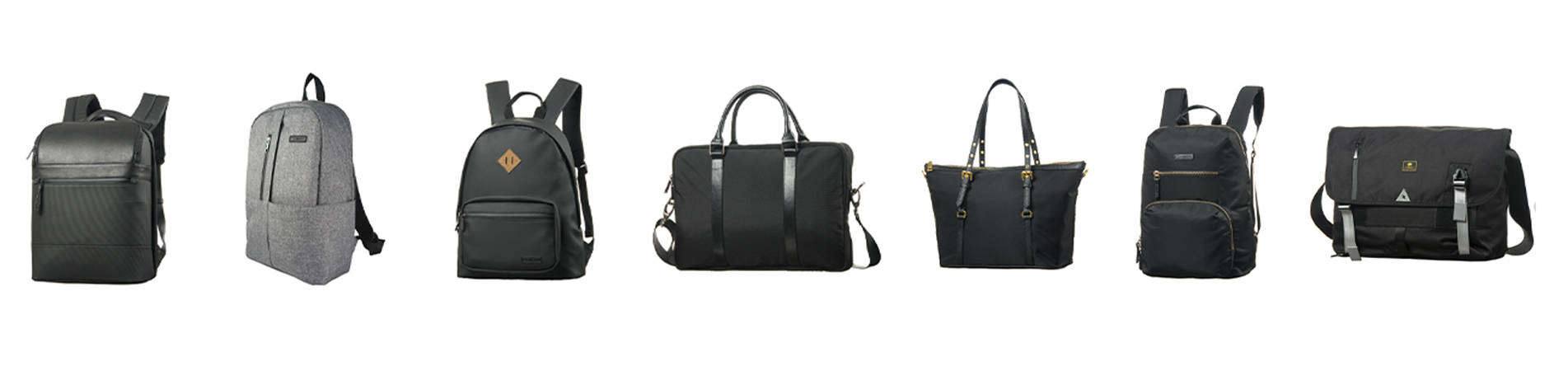
Polyester Fabric is a type of synthetic fiber made from chemicals, with its main component being Polyethylene Terephthalate (PET). It is produced through a melt-spinning process using petrochemical raw materials. Due to its tightly packed and symmetrical molecular structure, this fabric exhibits strong wrinkle resistance, excellent shape retention, and high durability and heat resistance. As a result, it is widely used in the manufacturing of products such as outerwear, luggage, tents, and more.

From Petroleum to Polyester Filament: The Production Process is as Follows

The strength of polyester fibers is outstanding: the strength of short fibers ranges from 2.6 to 5.7 cN/dtex, while high-strength fibers can reach 5.6 to 8.0 cN/dtex. Its impact strength is twice that of viscose fibers, 2.5 times that of cotton, and 3 times that of wool. Its strength is second only to nylon. Due to its low moisture absorption, the strength in a wet state is almost the same as that in a dry state. This characteristic allows polyester to maintain better mechanical properties than nylon in humid environments.
Polyester's elasticity is similar to that of wool. When stretched by 5% to 6%, it can almost fully recover. Its elastic modulus ranges from 22 to 141 cN/dtex, which is better than all natural cellulose fibers (such as cotton, linen, and viscose) and some protein fibers (like silk). However, it is still far behind specialized elastic fibers (such as spandex) and its competitor nylon. This is because polyester’s molecular backbone contains rigid benzene rings, similar to inserting a hardwood plank into a chain, which limits the free movement of the molecular chain. Although the intermolecular forces are strong, the chain segments themselves are less flexible, resulting in inferior elastic recovery compared to nylon. As a result, polyester is ideal for products that require shape retention, wrinkle resistance, high strength, and dimensional stability, particularly suitable for luggage products.
Elasticity Ranking (from Best to Worst):
Spandex > Nylon > Polyester ≈ Wool > Acrylic > Cotton > Silk > Viscose > Linen
Polyester’s wrinkle resistance surpasses all other fibers, making fabrics less prone to creasing and providing excellent dimensional stability. This characteristic allows polyester fabrics to maintain a crisp appearance without the need for frequent ironing.
Wrinkle Resistance Ranking (from Best to Worst):
Polyester > Nylon > Wool > Acrylic > Spandex (Lycra) > Silk > Cotton > Viscose > Linen
Polyester's abrasion resistance is second only to nylon and is superior to other natural and synthetic fibers. In terms of lightfastness, polyester performs just below acrylic, offering much better sun resistance than natural fiber fabrics. This makes it an ideal material for outdoor products.

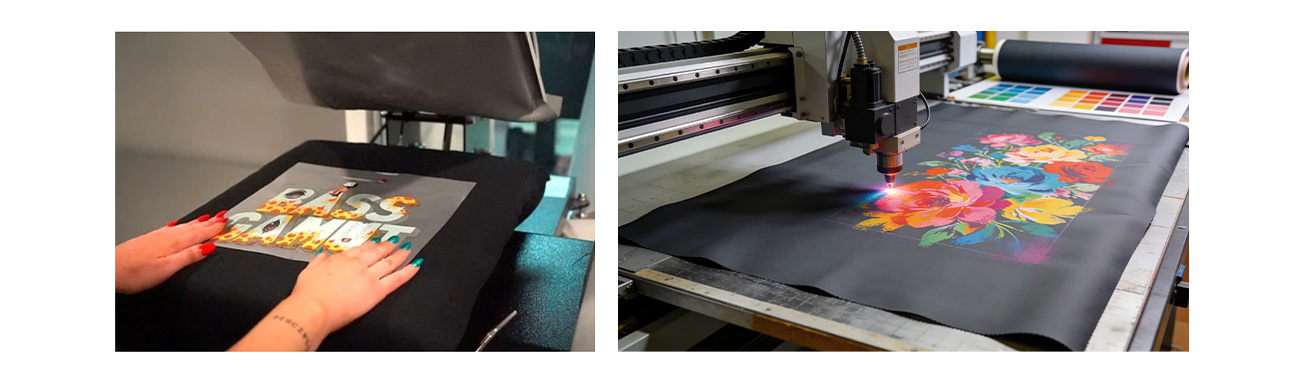
Polyester exhibits excellent resistance to various chemicals, including bleaches, oxidizers, hydrocarbons, ketones, petroleum products, and inorganic acids. It is also resistant to dilute alkalis, mold, and insect damage. Among synthetic fibers, polyester has the best heat resistance and is highly thermoplastic, making it suitable for all high-temperature printing processes, such as heat transfer printing and laser printing.
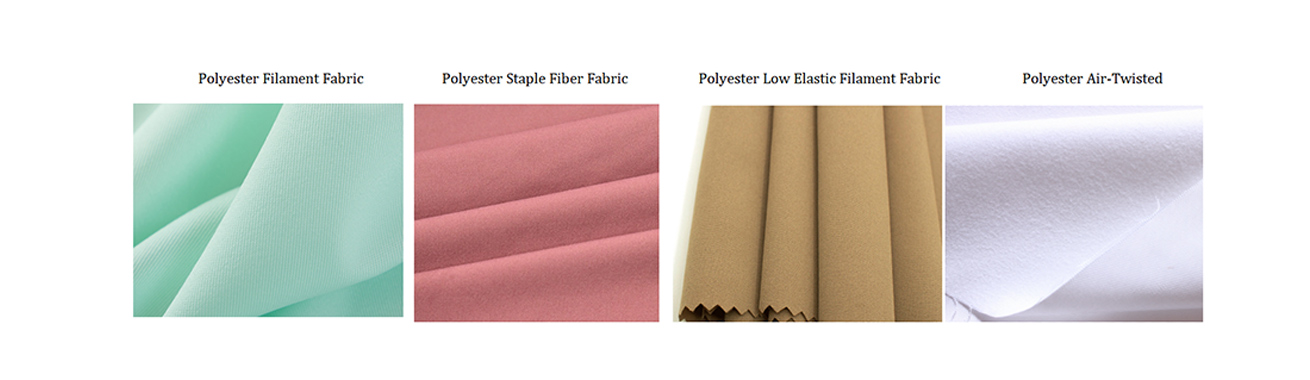
| Fabric Type | Characteristics Description | Main Uses |
| Polyester Filament Fabric | Woven with continuous filaments, smooth surface, high strength, and strong gloss. | Lining, down jacket anti-fiber fabric, shirts, trench coats, sportswear, flags. |
| Polyester Staple Fiber Fabric | Mimics cotton style by cutting long filaments into short fibers similar to cotton, spun and woven. Softer feel than filament fabric, with a plush texture, but prone to pilling. | Shirts, bedding, casual pants, blankets, cotton-like coats. |
| Polyester Low Elastic Filament Fabric | Filaments processed through false twisting to create a fluffy and elastic texture. Soft, with wool-like elasticity, good warmth retention. | Sportswear, jackets, sofa fabric, knitted wool sweaters (wool-look). |
| Polyester Air-Twisted Filament Fabric | Filaments twisted by high-pressure air to form irregular knots and loops, resulting in a “peach skin” effect similar to short fibers. Soft gloss, enhanced moisture-wicking properties. | Outdoor wear, sports jackets, high-end suit linings. |
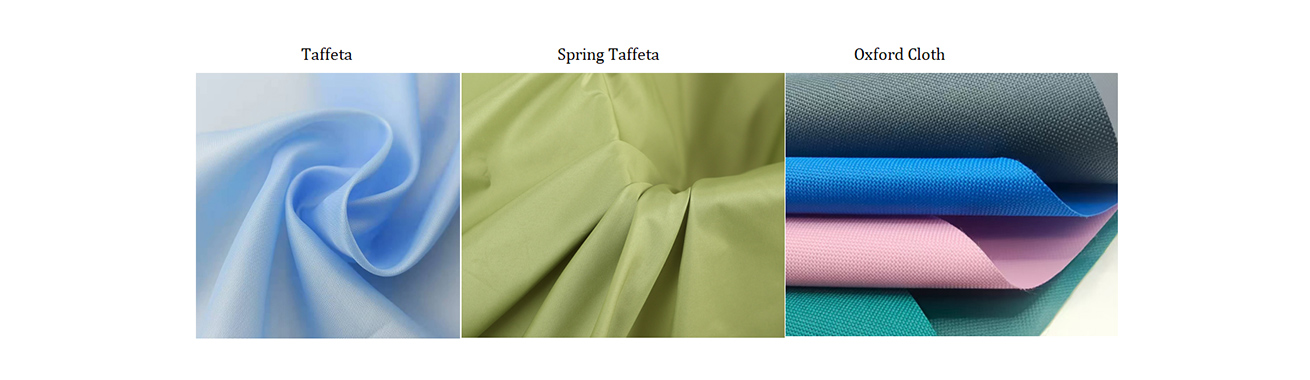
| Fabric Type | Characteristics Description | Main Uses |
| Taffeta | The most basic and commonly used polyester fabric. Plain weave, high density, smooth and crisp feel, with a “rustling” sound. Can undergo various post-finishing treatments (calendering, coating, etc.). | Universal base fabric: Outer shell and lining for down jackets/cotton jackets, tents, umbrellas, shirts, trench coats. |
| Spring Taffeta | A variation of taffeta with a semi-matte finish. Uses semi-dull filaments, smooth and delicate fabric surface, soft feel, and affordable price. | Jackets, down jackets, children's clothing, luggage, outdoor products. |
| Oxford Cloth | Uses “one thick, one thin” yarns interwoven to form a unique grainy texture. Strong, wear-resistant, firm, and rugged in style. | The king of luggage: Backpacks, rolling luggage. Also used for footwear materials, tents, and outdoor furniture. |
| Peach Skin/Deerskin Velvet | Processed by brushing, creating dense and soft short fibers on the surface with a peach-skin or deerskin-like texture. | Jackets, sofa covers, fashionable women’s clothing, car interiors, high-end cleaning cloths. |
| Chiffon | Uses high-twist yarn, lightweight, transparent fabric with a soft and elastic feel, good breathability, and drape. "Georgette" is a variant that is more wrinkled and voluminous. | Summer women’s clothing, dresses, shirts, scarves, curtains. |
| Imitation Silk Fabric | Mimics the luster and soft drape of real silk through special cross-section filaments and alkali reduction treatments. Examples include "Georgette" and "Shantung." | Silk alternative for shirts, skirts, scarves, reducing costs and easier to care for. |
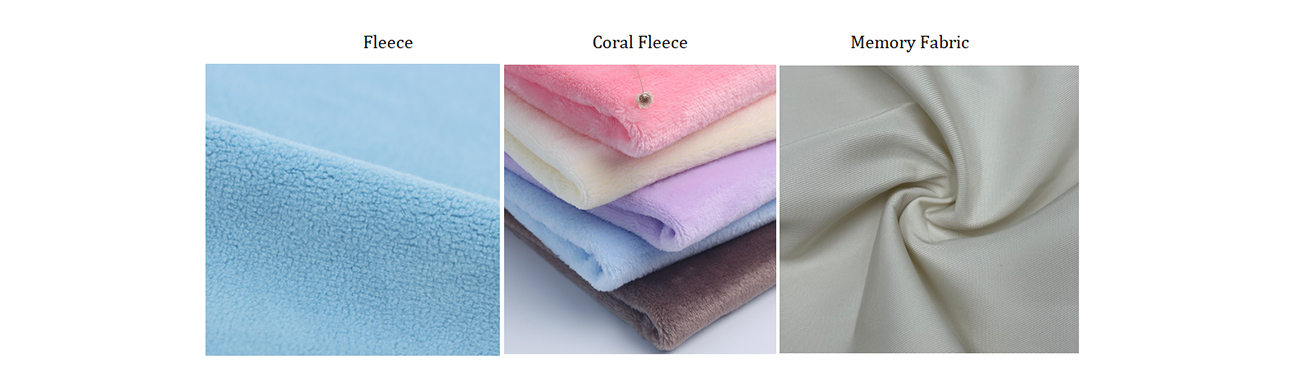
| Fleece | Knitted fabric processed with combing, carding, shearing, and other techniques to form fluffy, compact little fleece balls, offering excellent warmth retention. | Fall and winter warm clothing, blankets, loungewear, pet mats. |
| Coral Fleece | Denser fibers with finer and longer fleece that creates a coral-like texture, extremely soft and warm, but prone to static and shedding. | Pajamas, loungewear, blankets, plush toys. |
| Memory Fabric | Contains "shape memory" additives or uses PTT (a bio-based elastic polyester) fibers. The fabric has wrinkle resistance and can be ironed at low temperatures to recover wrinkles. | Suit pants, pleated women’s fashion, luggage, car seat covers. |

| Fabric Type | Characteristics Description | Main Uses |
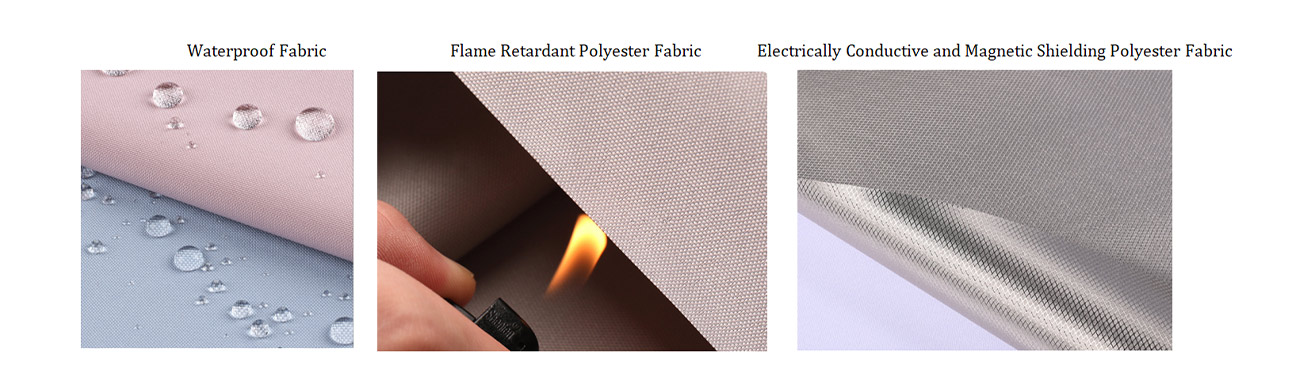
| Waterproof Fabric | Coating (PU, TPU) or lamination (Gore-Tex, eVENT membranes) technology for waterproofing while allowing sweat vapor to escape. |
Outdoor backpacks/ Everyday backpacks/ |
| Flame Retardant Polyester Fabric | Additives that make the fabric self-extinguishing when exposed to fire, slowing down combustion. | Protective clothing, curtains, stage curtains, vehicle interiors. |
| Electrically Conductive and Magnetic Shielding Fabric | Embedded with Metal Fibers or Carbon Fibers | Used in Radiation-Proof Clothing, RFID Shielding Wallets, Cardholders, Military Equipment, etc |
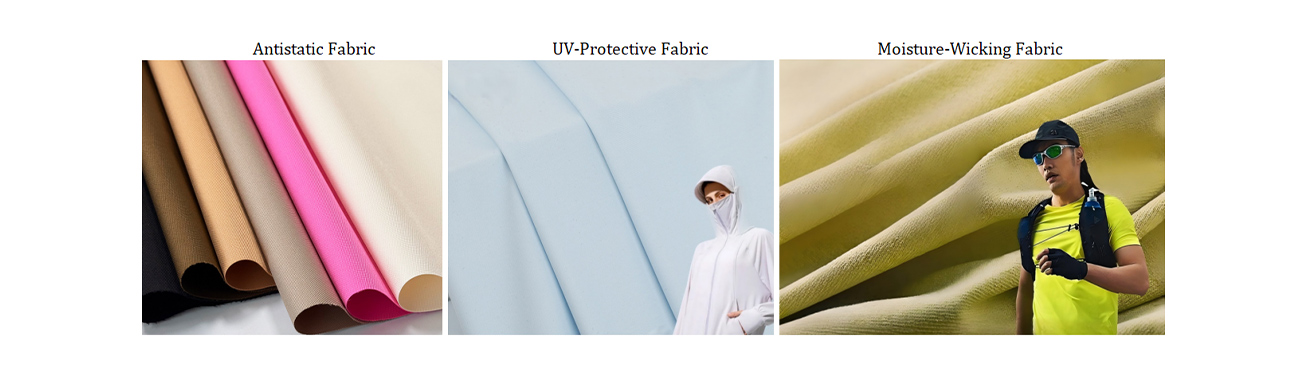
| Antistatic Fabric | Organic Conductive Fibers Woven at Intervals in the Warp and Weft | Used in Dustproof Clothing, Petrochemical Workwear, and Specialized Protective Clothing |
| UV-Protective Fabric | Add UV absorbers or blockers to the fabric to protect from harmful ultraviolet radiation. | Sun protection clothing, sun hats, outdoor tents, curtains. |
| Moisture-Wicking Fabric | Fiber cross-sections are modified (e.g., cross-shaped, Y-shaped, etc.) or hydrophilic treatments are applied to create capillary action to wick moisture away. | Sports T-shirts, polo shirts, underwear, socks. |
position in modern textiles due to its outstanding advantages such as high strength, high elasticity, durability, and ease of care. Despite its inherent drawbacks, such as poor moisture absorption and breathability, and susceptibility to static electricity, these issues are gradually being addressed through technological innovation and blending modifications. For example, a shirt made of "65% cotton and 35% polyester" combines the moisture absorption and breathability of cotton with the wrinkle resistance and shape retention of polyester.
Therefore, when choosing polyester, it is important to balance its use according to the application: for the bag industry, polyester is the preferred option. Polyester backpacks are the most common and widely used, suitable for almost every occasion, such as children's backpacks, school backpacks, everyday backpacks, duffel backpacks, sports backpacks, etc. However, for intimate apparel or summer T-shirts, natural fibers or high-performance modified polyester/blended fabrics should be prioritized.
Today, polyester accounts for about 90% of global synthetic fiber production and more than 50% of total fiber production, earning its title as the "King of Fibers." The future focus will be on maintaining its performance advantages while completely addressing its environmental footprint, achieving a historic transformation from "petroleum-based" to "circular" materials.
Amid the dual challenges of resource depletion and environmental crisis, RPET is shifting from an "alternative option" to a "mainstream solution." By converting discarded plastic bottles into high-quality fibers, the production of one ton of recycled polyester saves approximately 6 tons of petroleum resources, reduces 3.2 tons of carbon emissions, and prevents hundreds of plastic bottles from ending up in the ocean or landfills. This technology not only achieves a breakthrough from "Linear Economy " to " Circular Economy" but also gives rise to a new green consumption model of "trash turned into fashion." Get the expert fabric guide from Synberry.
| Author | ||||||
|
Please Read On, Stay Posted, Subscribe, And We Welcome You To Tell Us What You Think.




Copyright @2024 Synberry Bag & Package Products Co.,Ltd All Rights Reserved.
 Network Supported
Sitemap / Blog / Xml / Privacy Policy