
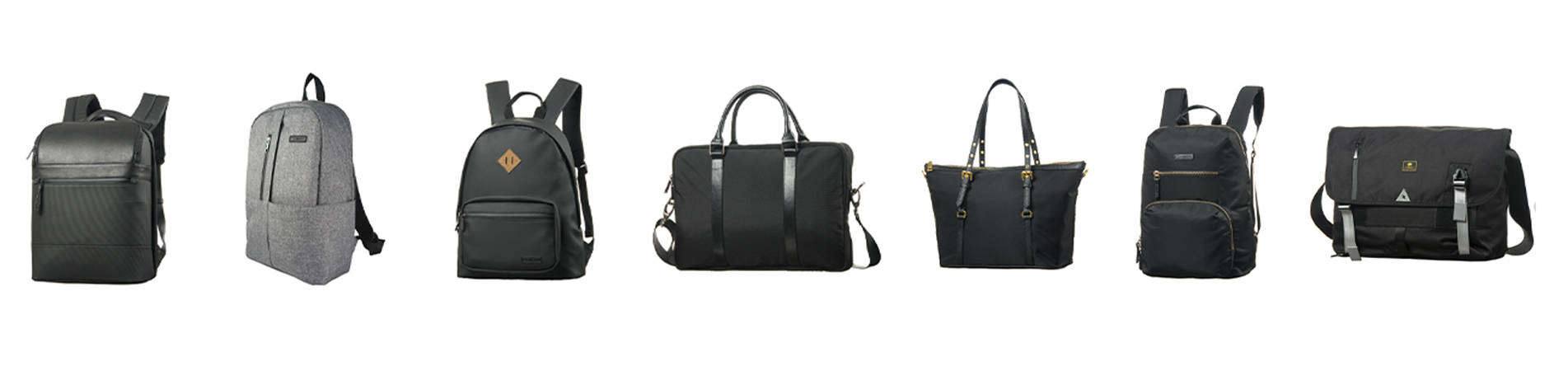
Sourcing leather for custom leather handbags is far more than a simple aesthetic choice. It directly determines your production costs, retail pricing strategy and overall brand positioning.
SYNBERRY has accumulated over 30 years of experience in OEM custom leather bag manufacturing, serving clients ranging from emerging startup brands to mature premium and luxury lines.
Most purchasing partners repeatedly raise two core questions: which leather grade fits their product lineup, and how end consumers can properly maintain leather bags.
Drawing on our decades of on-site manufacturing experience, this guide systematically explains leather selection logic and post-sale maintenance knowledge, helping OEM buyers pick matching leather and avoid common care mistakes.
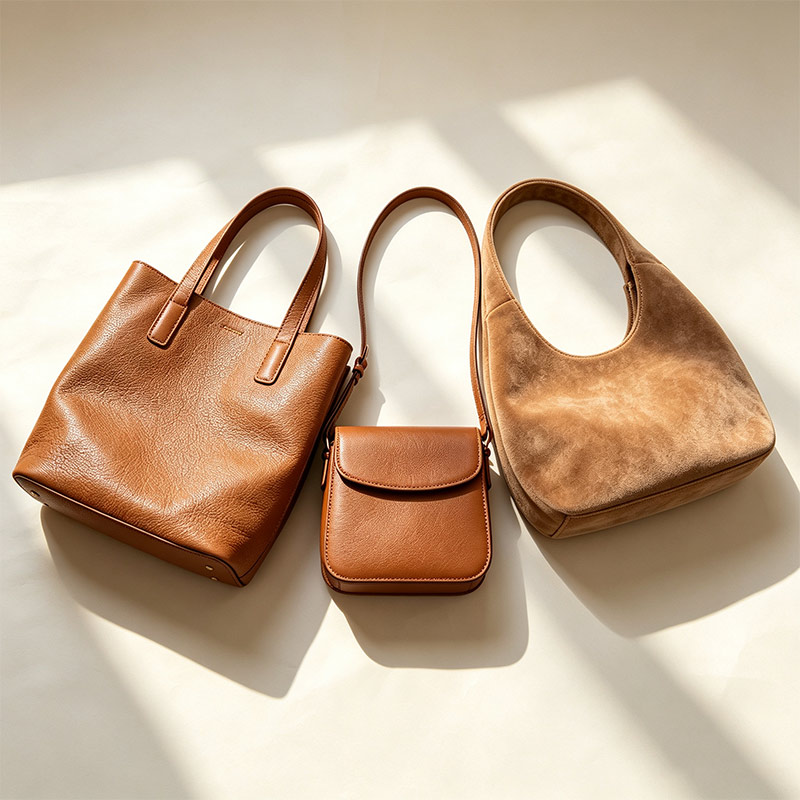
Table of Contents:
Ⅰ. Two Core Perspectives to Understand Leather
Ⅱ. Match Leather Types to Different Handbag Styles
Ⅲ. Daily Care Guidelines for Leather Handbags
Ⅳ. Four Core Details to Confirm When Requesting Factory Quotations
Ⅴ. Frequently Asked Questions (FAQ)
Ⅵ. Conclusion
We divide leather into two major classification systems: categorization by natural hide layers and categorization by post-tanning processing techniques. The combination of these two dimensions jointly decides leather quality and the final presentation of finished handbags.
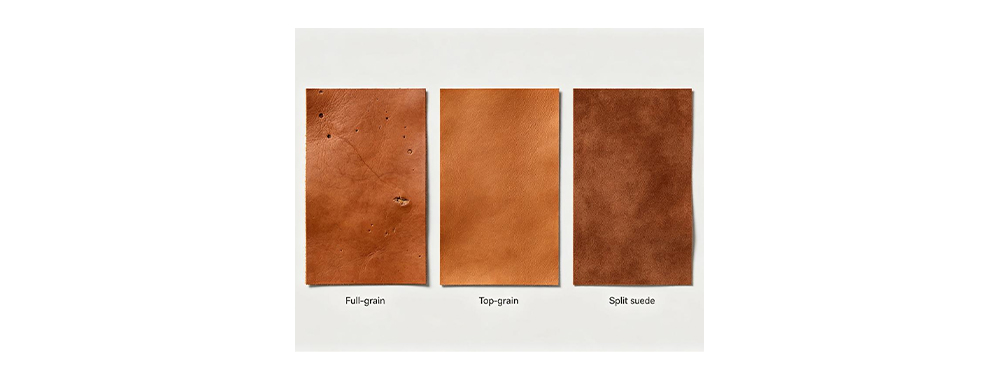
Many buyers confuse the logical relationship between top-grain and full-grain leather; the table below sorts out all core differences clearly:
|
Comparison Item |
Top-Grain Leather |
Full-Grain Leather |
|
Definition |
Leather cut from the outermost grain layer of animal hide |
Premium subdivision of top-grain leather that fully retains natural grain surfaces |
|
Belongs to top-layer hide |
✅ Yes |
✅ Yes |
|
Retain original natural grain |
Not guaranteed |
✅ Fully retains natural pores and grain patterns |
|
Surface finishing |
May include sanding, correction, embossing or heavy coating |
Minimal processing; only dyeing and light protective finishing |
|
Visual appearance |
Uniform texture, customizable artificial embossed patterns |
Natural grain variations; every hide panel is unique |
|
Durability |
Good |
Excellent, featuring the most intact natural fiber structure |
|
Breathability |
Fairly good |
Superior |
|
Softness |
Fluctuates based on finishing craft |
Gradually softens and develops natural patina with wear |
|
Longevity |
Lasts multiple years with routine care |
Remains functional for decades under consistent maintenance |
|
Price bracket |
Mid to high-end |
Premium tier with higher unit pricing |
We always recommend full-grain leather for clients developing structured luxury handbags. Natural surface variations are not flaws, but distinctive features that endow each bag with irreplaceable unique value.
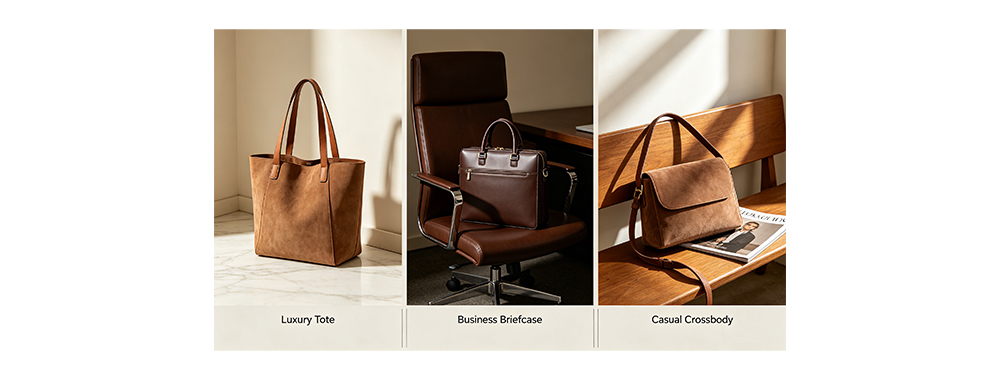
Leather selection cannot rely solely on material cost. Different bag silhouettes and usage scenarios put forward distinct performance requirements for leather, so we summarize a targeted matching rule for buyers’ reference:
|
Handbag Category |
Recommended Leather Grade |
Core Matching Advantages |
|
Luxury handbags / Premium women’s designer bags |
Full-grain leather |
Develops layered patina and elevates product value over time |
|
Business briefcases / Daily commuter totes |
Top-grain leather |
Maintains rigid silhouette, durable and cost-efficient |
|
Casual crossbody bags / Fashion-forward silhouettes |
Top-grain leather or split suede |
Supple touch, diverse styling and flexible design potential |
|
Fast-fashion bags / Promotional giveaway handbags |
Split leather |
Low production cost with consistent surface finish |
|
Travel duffels / Large luggage totes |
Full-grain or thick top-grain leather |
Highly abrasion-resistant and builds vintage character with wear |
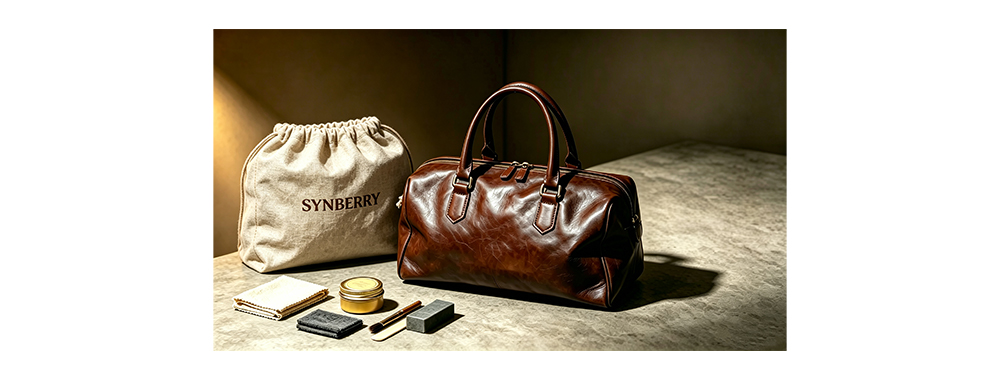
Standardized consumer care can greatly extend a leather bag’s service life. Well-maintained leather goods effectively boost customer satisfaction and build long-term brand loyalty, and you can print all the practical guidance below on product hang tags or custom care booklets.
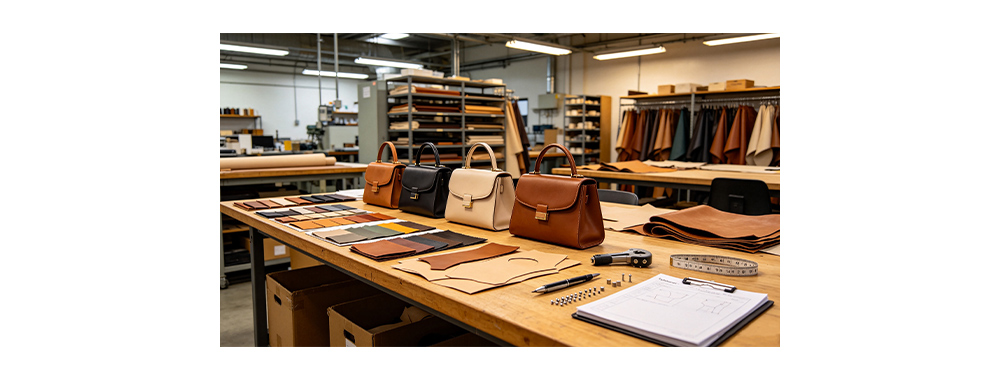
Many buyers only write "leather handbags" in quotation requests, which causes repeated sample revisions and wastes plenty of sampling time. Clearly confirming the following four key information can greatly improve OEM communication efficiency.
State the exact leather material without vague general descriptions, including full-grain leather, top-grain leather or split leather.
Mark specific thickness data such as 0.8mm or 1.0mm, as this parameter directly affects the bag’s firmness, structural stability and hand touch.
Provide official Pantone color codes or physical color swatches for color matching. Physical swatches are far more accurate than digital pictures, since screen display deviation is the top cause of sample rework.
Our sample department can customize exclusive color swatches for clients within 5 to 7 working days.
Specify the surface finishing: Which embossed grain pattern is required (e.g., pebble grain, cross grain)? Matte or glossy finish?
Q1: How do I verify leather sample quality before mass production launches?
A: You need to manually test the leather’s softness and hand feel, observe the density of internal fiber layers, and check the adhesion strength of surface coating. We suggest signing and archiving a complete reference sample set containing leather swatches, color panels and matching metal hardware, which will serve as the unified inspection standard for bulk production.
Q2: Why do minor color discrepancies exist between pre-production samples and bulk goods?
A: Leather is a natural raw material, so different hide batches absorb dye unevenly; fluctuations in ambient temperature and humidity will also change dye absorption effects. SYNBERRY archives standard color boards for every production batch and strictly controls color differences within commercially acceptable standards.
Q3: As a brand owner, what supplier qualifications should I prioritize?
A: Apart from factory scale and production capacity, focus on ISO 9001 quality management system certification and BSCI social compliance audit. These two credentials prove the factory meets international standards in quality control, labor protection and environmental compliance.
Q4: How long does OEM leather handbag sampling normally take?
A: Sample development takes 7 to 14 working days after design confirmation; customized embossing or complex structural designs will extend the cycle slightly. International sample shipping requires an extra 3 to 5 working days, and the exact timeline depends on product customization complexity.
Q5: Besides traditional animal leather, are there eco-friendly innovative alternatives?
A: Yes. Numerous mainstream brands adopt bio-based leather materials made from corn fiber, cork and pineapple leaf fiber. These sustainable materials have a lower carbon footprint, cater to the sustainable consumption trends of European and American markets, and create unique differentiated selling points for brands.
Q6: How to handle a leather handbag soaked by rainwater?
A: Immediately blot surface moisture with a clean white cotton cloth instead of hard rubbing, which will push water stains deep into leather fibers. Hang or lay the bag flat in cool ventilated space for full natural air-drying, and never use hot air blowers or direct sunlight to speed up the process. After complete drying, apply a thin layer of leather conditioning cream to nourish the hide.
Q7: Can minor scratches on leather surfaces be repaired?
A: Light scratches can be faded by gentle fingertip massage; friction heat activates natural leather oil to blur superficial abrasions. Deep scratches need professional leather recoloring cream for local touch-up. Remember to test the repair paste on the inconspicuous bag bottom to confirm color matching before processing front surfaces.
Q8: Light-colored leather bags easily get stained. How to prevent and fix color transfer?
A: Prevention is more effective than remediation. Avoid long-term contact between pale leather (white, beige, pink) and dark fabrics especially denim to prevent friction color bleeding, and spray dedicated anti-transfer protective spray for daily use. If color transfer occurs, wipe stained areas in gentle circular motions with leather cleaner and soft cloth right away; consult professional leather care stores if stains cannot be fully removed.
Q9: How frequently should consumers maintain leather handbags?
A: Care cycles depend on usage frequency. Daily commuter bags need full conditioning every 2 to 3 months, while occasionally used bags only require maintenance once every six months. A simple judgment standard: if light finger marks do not fade within several seconds after scratching, the leather lacks natural oil and needs immediate nourishing treatment. Regular maintenance can permanently preserve leather’s soft texture and subtle gloss.
Choosing the right leather is a strategic business decision. The most expensive material is not always suitable for your brand, nor can the cheapest option guarantee market competitiveness. The core selection standard lies in matching leather with your brand positioning, target consumer groups and product usage scenarios.
Picking proper leather only completes half of brand success, and the other critical part is guiding end customers to master standardized leather care methods. Even premium leather will turn dull, dry and cracked after years of neglect, while entry-grade leather can accompany customers for decades with consistent proper maintenance. This is why we elaborate on systematic care guidance above — brand reputation is often built through these small but vital customer experience details.
With over 30 years of OEM handbag manufacturing experience, SYNBERRY provides full-cycle leather solutions for brand partners, covering professional material matching, custom sample development and stable mass production with balanced cost and quality control. We also design exclusive leather care cards, printed hang tags and simplified maintenance instructions tailored to each bag model, so customers can grasp correct protection methods at the moment of purchase.
If you have finished product concepts or design sketches, send them to our technical team. We will provide free leather matching evaluation and cost estimation within 1 to 2 working days.
Contact SYNBERRY today to discuss your leather handbag project, and we will help you source ideal leather materials and deliver reliable long-term care guidance for your bag collection.
| Author | ||||||
|
Please Read On, Stay Posted, Subscribe, And We Welcome You To Tell Us What You Think.




Copyright @2024 Synberry Bag & Package Products Co.,Ltd All Rights Reserved.
 Network Supported
Sitemap / Blog / Xml / Privacy Policy